
IoT Pipeline Monitoring Solutions
The rapid expansion of oil, gas, and water distribution networks has made the integrity and safety of pipelines a top priority for operators worldwide. IoT pipeline monitoring has emerged as a transformative approach, enabling real-time visibility, predictive maintenance, and enhanced risk management across vast and often remote infrastructure. By leveraging connected sensors, cloud analytics, and automation, organizations can detect leaks, prevent failures, and optimize operations more efficiently than ever before.
This article explores how connected monitoring systems are reshaping pipeline management, the core technologies involved, and the practical benefits for asset owners and the environment. For those seeking a broader understanding of digital pipeline oversight, the pipeline system monitoring overview provides additional context on the evolution of these solutions.
How Connected Monitoring Transforms Pipeline Operations
Traditional pipeline inspection methods, such as manual patrols or periodic pressure checks, are no longer sufficient for today’s complex and distributed networks. IoT-based pipeline monitoring introduces a new level of automation and intelligence by deploying a network of smart sensors along the pipeline route. These devices continuously measure parameters like pressure, flow rate, temperature, and vibration, transmitting data to centralized platforms for real-time analysis.
The main advantages of this approach include:
- Early leak detection through continuous monitoring and advanced analytics
- Reduced response times to incidents, minimizing environmental and financial impact
- Lower maintenance costs by enabling predictive and condition-based interventions
- Improved regulatory compliance and reporting capabilities
By integrating IoT sensors with cloud-based dashboards, operators gain instant access to actionable insights, allowing them to make informed decisions and respond proactively to anomalies.
Key Components of IoT Pipeline Monitoring Systems
A robust digital monitoring solution for pipelines typically consists of several interconnected elements. Understanding these components helps clarify how the system delivers value:
- Sensor Networks: Devices installed along the pipeline measure critical variables such as pressure, temperature, flow, and acoustic signals. Some advanced sensors can even detect chemical signatures or soil moisture changes, which are vital for identifying leaks or corrosion.
- Edge Devices and Gateways: These units aggregate sensor data, perform initial processing, and securely transmit information to the cloud or central control rooms. Edge computing helps reduce bandwidth usage and enables faster local decision-making.
- Communication Infrastructure: Reliable connectivity is essential for real-time monitoring. Solutions may use cellular, satellite, LoRaWAN, or private radio networks, depending on the pipeline’s location and requirements.
- Cloud Platforms and Analytics: Data collected from the field is analyzed using machine learning algorithms and visualization tools. These platforms can detect patterns, predict failures, and trigger alerts for operators.
- Integration with Control Systems: Seamless integration with SCADA (Supervisory Control and Data Acquisition) and other automation systems enables remote control of valves, pumps, and emergency shutdowns.
Applications and Use Cases for Smart Pipeline Monitoring
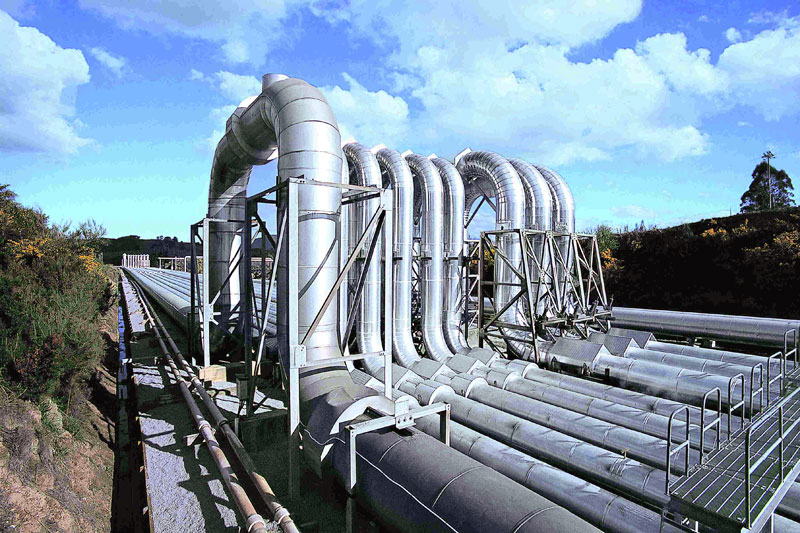
The adoption of IoT pipeline monitoring spans multiple industries and asset types. Some common applications include:
- Oil and Gas Transmission: Detecting leaks, unauthorized activities, and pressure anomalies across long-distance pipelines.
- Water Distribution: Monitoring flow rates, pressure drops, and water quality to ensure efficient delivery and minimize losses.
- Chemical and Industrial Pipelines: Tracking hazardous material flows and preventing environmental contamination.
- Urban Utility Networks: Supporting smart city initiatives by integrating pipeline data with broader infrastructure management systems.
For organizations concerned about soil and environmental impacts, related resources like pipeline soil contamination provide further insight into risk mitigation strategies.
Benefits of Real-Time Data and Predictive Analytics
One of the most significant advantages of digital monitoring is the ability to move from reactive to proactive pipeline management. Real-time data streams allow operators to:
- Identify leaks or ruptures within minutes, reducing the risk of major spills
- Optimize maintenance schedules based on actual asset condition, not just time intervals
- Analyze historical trends to predict where failures are most likely to occur
- Comply with increasingly strict environmental and safety regulations
Predictive analytics, powered by machine learning, can flag subtle changes in sensor readings that may indicate corrosion, ground movement, or equipment fatigue. This enables targeted inspections and repairs, extending the lifespan of critical infrastructure.
Challenges and Considerations for Deployment
While the benefits are clear, implementing a connected monitoring solution for pipelines comes with its own set of challenges:
- Connectivity: Remote or underground pipelines may face limited network coverage, requiring hybrid communication strategies.
- Power Supply: Many sensors must operate on battery or solar power for extended periods, making energy efficiency critical.
- Data Security: Protecting sensitive operational data from cyber threats is essential, especially as more assets become connected.
- Integration: Ensuring compatibility with existing SCADA and control systems can be complex, particularly for legacy infrastructure.
Despite these hurdles, advances in wireless technology, edge computing, and cybersecurity are making it easier to deploy and scale digital monitoring networks.
Regulatory and Safety Implications
Governments and industry bodies are increasingly mandating the use of advanced monitoring technologies to improve pipeline safety and environmental stewardship. Automated leak detection, for example, is now a requirement in many jurisdictions. Solutions that combine sensor data with automated alerting and remote control capabilities help operators comply with these regulations and demonstrate due diligence.
For more information on regulatory requirements and safety protocols, resources such as pipeline emergency protocols and pipeline leak safety training offer valuable guidance.
Future Trends in Digital Pipeline Oversight
The next wave of innovation in this field will likely focus on greater automation, integration with artificial intelligence, and the use of drones or robotics for inspection. As sensor costs decrease and connectivity improves, even smaller operators will be able to benefit from real-time monitoring and predictive maintenance.
Emerging standards and best practices are also making it easier to implement interoperable solutions, reducing vendor lock-in and supporting long-term scalability.
Expert Resources and Further Reading
For a deeper dive into specific detection technologies, the application note on pipeline leak detection methods provides technical insights and real-world examples. Staying informed about the latest developments ensures that organizations can make strategic decisions about their monitoring investments.
Frequently Asked Questions
What types of sensors are commonly used in digital pipeline monitoring?
Common sensor types include pressure transducers, flow meters, acoustic sensors, temperature probes, and chemical detectors. These devices work together to provide a comprehensive view of pipeline health and performance.
How does IoT-based monitoring improve leak detection compared to traditional methods?
Connected monitoring systems offer continuous, real-time surveillance, enabling the detection of small leaks or anomalies that might go unnoticed with periodic manual inspections. Advanced analytics can identify subtle changes in sensor data, leading to faster and more accurate leak identification.
Is it possible to retrofit existing pipelines with smart monitoring technology?
Yes, many modern sensors and gateways are designed for easy installation on existing infrastructure. Wireless connectivity and battery-powered devices allow for non-intrusive upgrades, making it feasible to enhance legacy pipelines with digital oversight.