
Challenges of Aging Pipeline Infrastructure
The global network of pipelines is a critical backbone for transporting water, oil, gas, and other essential resources. Many of these systems, however, are decades old and now face significant issues related to pipeline aging infrastructure. As these assets continue to age, operators and communities must address a growing set of technical, environmental, and economic challenges. Understanding the risks and solutions associated with deteriorating pipelines is vital for ensuring safety, reliability, and sustainability.
Aging pipelines are susceptible to corrosion, leaks, and material fatigue, which can result in costly failures and environmental hazards. The consequences of neglecting these issues are far-reaching, impacting public safety, regulatory compliance, and operational efficiency. For those involved in pipeline management, maintenance, or policy, staying informed about the evolving landscape of infrastructure aging is more important than ever.

One area that often intersects with aging infrastructure is the risk of pipeline coating failures. Degraded coatings can accelerate corrosion and increase the likelihood of leaks, making proactive inspection and maintenance essential.
Key Risks Associated With Outdated Pipeline Systems
As pipelines age, several risks become more pronounced. The most common issues include:
- Corrosion: Metal pipelines are especially vulnerable to corrosion over time, leading to thinning walls and eventual ruptures.
- Material Degradation: Older materials may not meet modern standards, resulting in reduced strength and flexibility.
- Joint and Gasket Failures: Connections between pipe segments can deteriorate, causing leaks or bursts. For more on this, see pipeline gasket leak causes.
- Equipment Malfunctions: Valves, sensors, and other equipment installed decades ago may no longer function reliably. Learn more about pipeline equipment failures.
- Environmental Exposure: Shifting soil, temperature extremes, and water ingress can accelerate wear and tear.
These risks not only threaten the integrity of the pipeline but also increase the potential for environmental contamination and service disruptions.
Environmental and Safety Impacts of Pipeline Aging Infrastructure
The consequences of failing to address the aging of pipeline networks can be severe. Leaks and ruptures may release hazardous substances into the environment, contaminating soil and water sources. In populated areas, such incidents can pose direct threats to public health and safety.

Beyond immediate hazards, chronic leaks can contribute to long-term environmental degradation. Regulatory bodies are increasingly focused on enforcing stricter standards for pipeline maintenance and reporting. Operators who fail to comply may face substantial fines and reputational damage.
Communities living near aging pipelines often express concerns about safety and environmental stewardship. Transparent communication and robust monitoring are essential to maintaining public trust and minimizing risk.
Maintenance, Monitoring, and Modernization Strategies
Addressing the challenges of pipeline aging infrastructure requires a multi-pronged approach. Operators must balance the need for ongoing maintenance with the realities of limited budgets and operational constraints. Some key strategies include:
- Regular Inspections: Using advanced technologies such as smart pigs, drones, and fiber optic sensors to detect early signs of wear, corrosion, or leaks.
- Preventive Maintenance: Scheduling repairs and replacements before failures occur, based on risk assessments and historical data.
- Modernization Projects: Upgrading materials, coatings, and equipment to meet current standards and improve resilience. For more on this, see pipeline corrosion prevention.
- Real-Time Monitoring: Implementing systems that provide continuous data on pressure, flow, and temperature to quickly identify anomalies. Solutions like advanced pipeline monitoring technologies offer valuable insights for operators.
- Emergency Response Planning: Developing and regularly updating protocols to respond swiftly to leaks or ruptures, minimizing impact.
Investing in these strategies can extend the life of existing assets while reducing the risk of catastrophic failures.
Economic and Regulatory Pressures on Operators
Pipeline owners and operators face mounting economic and regulatory pressures as infrastructure ages. The cost of repairs, upgrades, and compliance can be substantial, especially for large networks spanning thousands of kilometers. Delaying necessary investments often leads to higher expenses in the long run due to unplanned outages and emergency repairs.
Regulatory agencies are increasingly mandating stricter inspection intervals, reporting requirements, and safety standards. Non-compliance can result in fines, legal action, and even forced shutdowns. Proactive management of pipeline aging infrastructure is not just a technical necessity but a business imperative.
Stakeholders must also consider the broader economic impact of pipeline failures, including supply chain disruptions, loss of product, and damage to company reputation.
Technological Innovations for Aging Pipeline Networks
Emerging technologies are transforming how operators manage and maintain older pipelines. Innovations such as smart valves, automated leak detection, and predictive analytics enable more efficient monitoring and faster response times. These tools help prioritize maintenance activities, optimize resource allocation, and reduce the likelihood of unexpected failures.
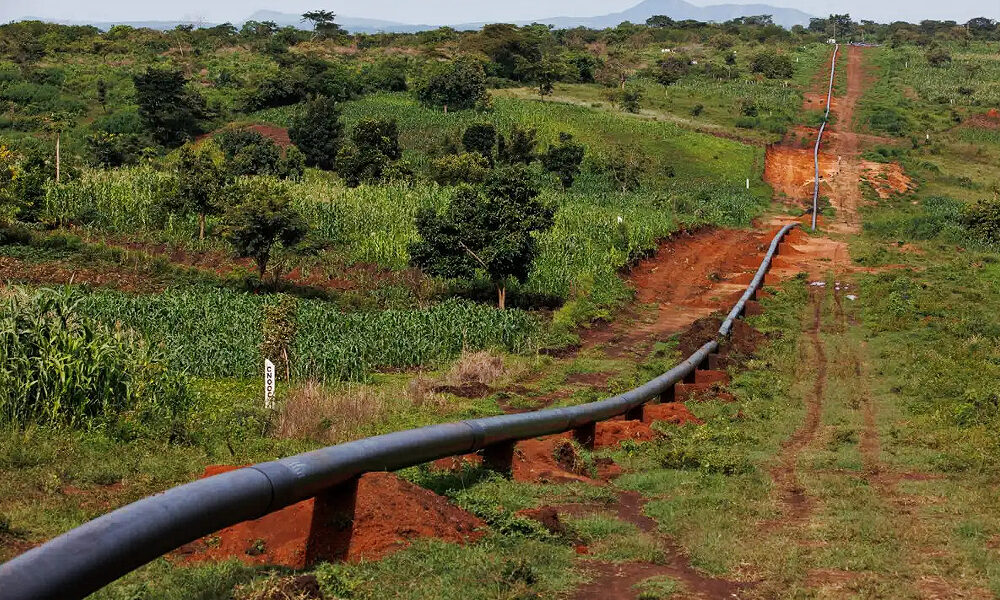
Digital twins, machine learning, and IoT-enabled sensors are increasingly being adopted to create real-time models of pipeline health. These systems allow for predictive maintenance, reducing downtime and improving overall asset management.
Oversight and Governance in Pipeline Management
Effective oversight is essential for managing the risks associated with older pipelines. Regulatory bodies, industry groups, and independent auditors play a crucial role in setting standards and ensuring compliance. Transparent reporting and third-party inspections help maintain accountability and drive continuous improvement.
For a deeper look at governance issues, see pipeline oversight challenges. Collaborative efforts between operators, regulators, and communities are key to building resilient and sustainable pipeline networks.
Frequently Asked Questions
What are the main causes of pipeline failures in aging infrastructure?
The most common causes include corrosion, material fatigue, joint and gasket deterioration, and outdated equipment. Environmental factors such as soil movement and temperature fluctuations can also contribute to failures.
How can pipeline operators reduce the risks associated with aging systems?
Operators can mitigate risks by implementing regular inspections, preventive maintenance, modernization projects, and real-time monitoring. Adopting advanced technologies and following best practices in asset management are also essential.
Why is it important to invest in new technologies for old pipelines?
New technologies such as smart valves, automated leak detection, and predictive analytics enable more effective monitoring and faster response to issues. These innovations help extend the life of existing assets and reduce the likelihood of costly failures.
Conclusion
The challenges posed by pipeline aging infrastructure are complex and multifaceted. Addressing them requires a combination of technical expertise, strategic investment, and strong governance. By leveraging modern technologies, adhering to best practices, and fostering collaboration among stakeholders, the industry can ensure that vital pipeline networks remain safe, reliable, and sustainable for years to come.