

Pipeline Contamination Risk Factors
Understanding pipeline contamination risks is essential for anyone involved in the design, operation, or maintenance of pipeline infrastructure. Contaminants can compromise product quality, damage equipment, and even threaten public safety. As pipelines age and networks expand, the potential for contamination grows, making it critical to identify and manage the factors that contribute to these risks.
This article explores the main contributors to contamination in pipelines, the consequences of these hazards, and best practices for mitigation. For those interested in a broader approach to safeguarding assets, pipeline integrity management strategies offer a comprehensive framework to reduce vulnerabilities and extend pipeline lifespan.
Common Sources of Contaminants in Pipelines
Pipelines transport a wide range of substances, from crude oil and natural gas to water and chemicals. Each type of product faces unique contamination threats, but several sources are common across the industry:
- Corrosion Byproducts: Internal corrosion can release rust, scale, and metal oxides into the product stream, affecting both quality and flow efficiency.
- Residual Cleaning Agents: Inadequate flushing after maintenance or commissioning can leave behind solvents or cleaning chemicals that mix with the transported product.
- Microbial Growth: Water ingress and organic material can promote the growth of bacteria, fungi, or algae, leading to biofilm formation and further chemical contamination.
- Cross-Contamination: Pipelines used for multiple products (batching) risk mixing residues from previous batches, especially if cleaning protocols are insufficient.
- External Intrusion: Leaks, cracks, or faulty seals may allow soil, groundwater, or other external substances to enter the pipeline.
The presence of these contaminants can have immediate and long-term consequences, making it vital to understand how and why they occur.
Key Factors That Increase Pipeline Contamination Risks
Several operational and environmental factors can elevate the likelihood of contamination. Recognizing these risk factors is the first step toward effective prevention and control.
Pipeline Age and Material Degradation
Older pipelines, especially those constructed from outdated materials, are more prone to internal corrosion and structural weaknesses. As pipelines age, protective coatings may deteriorate, and joints or welds can become vulnerable points for leaks or ingress. This degradation not only increases the chance of contamination but can also lead to more severe failures, such as ruptures. For more on identifying early warning signs, see pipeline rupture signs.
Operational Practices and Maintenance Gaps
Improper maintenance schedules or rushed cleaning procedures can leave residues or fail to remove contaminants effectively. Pipelines that are not regularly pigged (cleaned with pipeline inspection gauges) are at higher risk for buildup of debris, corrosion products, and microbial colonies. Inadequate documentation of maintenance activities can also make it difficult to track contamination events or identify their sources.
Environmental and Geographic Influences
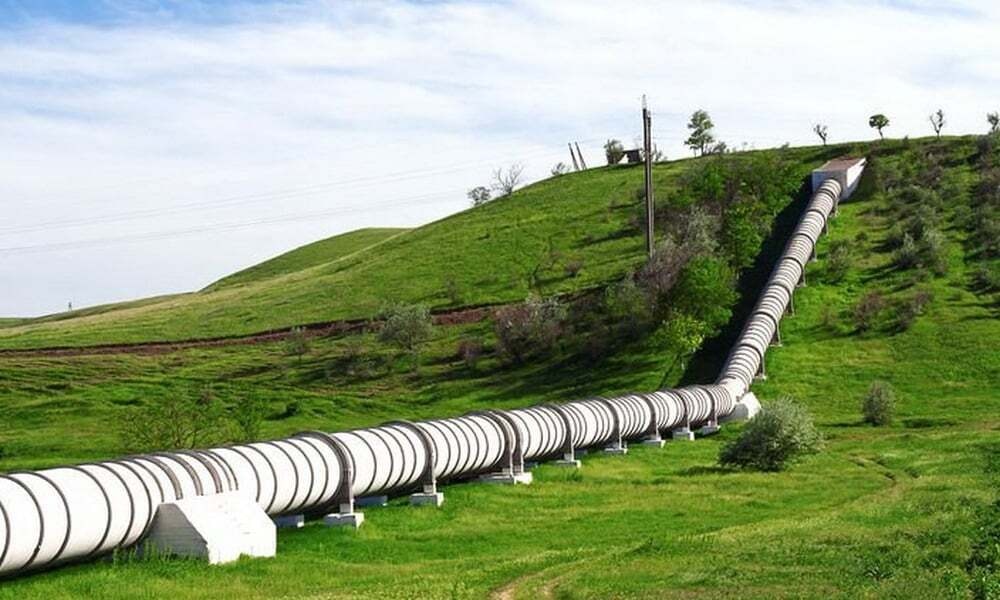
Pipelines that traverse wetlands, agricultural zones, or areas with high groundwater tables are exposed to unique contamination threats. Flooding, soil movement, or agricultural runoff can introduce water, fertilizers, or pesticides into the system through even minor breaches. Seasonal temperature changes may also cause condensation inside the pipeline, promoting microbial growth and corrosion.
Product Switching and Batching Operations
When pipelines are used to transport different products in sequence, the risk of cross-contamination increases. Without robust cleaning and separation protocols, residues from one product can mix with the next, leading to off-spec deliveries and potential safety hazards. This is particularly critical in pipelines carrying fuels, chemicals, or food-grade materials.
Consequences of Unmanaged Contamination
Failing to address contamination risks can have significant operational, financial, and environmental impacts:
- Product Degradation: Contaminants can alter the physical or chemical properties of the transported substance, rendering it unusable or unsafe.
- Equipment Damage: Corrosive or abrasive materials can erode pumps, valves, and meters, leading to costly repairs and downtime.
- Regulatory Non-Compliance: Delivering off-spec products or causing environmental harm can result in fines, legal action, and reputational damage.
- Safety Hazards: Some contaminants, such as water in oil pipelines, can trigger dangerous reactions or increase the risk of explosions.
For a deeper understanding of how to identify and address weaknesses before they escalate, review methods for pipeline weak spot detection.
Detection and Monitoring Strategies
Modern technology offers several approaches to monitor and detect contamination within pipelines. These include:
- Inline Inspection Tools: Devices such as smart pigs can identify deposits, corrosion, and other anomalies inside the pipeline.
- Real-Time Sensors: Advanced sensors can detect changes in product composition, pressure, or flow that may indicate contamination.
- Sampling and Laboratory Analysis: Regular sampling at key points allows for early identification of contaminants and trends.
- Automated Leak Detection Systems: These systems can quickly identify breaches that may allow external substances to enter the pipeline. For more information, explore this comprehensive guide to pipeline leak detection systems.
Combining these methods with routine inspections and data analysis helps operators respond quickly to emerging threats and maintain compliance with industry standards.

Best Practices for Reducing Contamination Hazards
Mitigating the risk of contamination requires a combination of proactive maintenance, robust operational procedures, and the use of advanced technology. Here are some effective strategies:
- Regular Cleaning and Pigging: Schedule frequent cleaning runs to remove debris, scale, and microbial buildup.
- Comprehensive Inspection Programs: Implement periodic inspections using both manual and automated tools to detect early signs of corrosion or leaks.
- Strict Product Segregation: Use separation devices or buffer products when switching between transported substances to minimize cross-contamination.
- Water and Moisture Control: Install dehydration units and monitor for condensation, especially in gas pipelines, to prevent microbial growth and corrosion.
- Staff Training and Documentation: Ensure all personnel are trained in contamination prevention and that maintenance activities are thoroughly documented.
- Valve and Seal Upgrades: Invest in modern, smart valves and high-integrity seals to reduce the risk of leaks and external intrusion.
For those seeking to further strengthen their infrastructure, reviewing pipeline structural integrity can provide valuable insights into long-term asset protection.
Integrating Risk Management Into Pipeline Operations
Addressing pipeline contamination risks is not a one-time effort but an ongoing process. Integrating risk management into daily operations ensures that new threats are identified and addressed promptly. This includes:
- Establishing a contamination risk register and updating it regularly.
- Conducting root cause analysis after any contamination event to prevent recurrence.
- Engaging with industry partners and regulators to stay informed about emerging threats and best practices.
By embedding risk awareness into the organizational culture, pipeline operators can minimize disruptions, protect the environment, and maintain the trust of stakeholders.
FAQ
What are the most common signs of contamination in pipelines?
Typical indicators include changes in product color or odor, increased pressure drops, reduced flow rates, and the presence of debris or water in product samples. Regular monitoring and inspection are essential for early detection.
How can operators prevent cross-contamination during product switching?
Operators should implement strict cleaning protocols, use separation pigs or buffer products, and verify that all residues from previous batches are removed before introducing a new product. Proper documentation and staff training are also critical.
Why is microbial growth a concern in pipelines?
Microbial contamination can lead to biofilm formation, which accelerates corrosion, clogs equipment, and degrades product quality. Controlling moisture and regularly cleaning pipelines are effective ways to mitigate this risk.