

Pipeline Fault Detection Methods
Pipelines are the backbone of energy, water, and chemical transportation worldwide. Ensuring their integrity is crucial for environmental safety, operational efficiency, and public health. Pipeline fault detection encompasses a range of technologies and strategies designed to identify leaks, ruptures, and other anomalies before they escalate into major incidents. As regulatory requirements tighten and infrastructure ages, robust detection methods have become a top priority for operators and regulators alike.
Modern approaches to monitoring pipelines blend traditional techniques with advanced digital solutions. These systems not only help prevent catastrophic failures but also minimize downtime and maintenance costs. For those interested in the nuances of leak alarms and system reliability, pipeline leak false alarms are a critical aspect to consider when evaluating detection performance.
Understanding Pipeline Faults and Their Impact
A fault in a pipeline can take many forms: leaks, ruptures, corrosion, or blockages. Each type of fault poses unique risks, from environmental contamination to supply disruption. Early and accurate identification is essential to mitigate these risks. The consequences of undetected faults include costly cleanups, regulatory fines, and reputational damage.
Pipeline operators rely on a combination of detection strategies to monitor for faults. These methods range from manual inspections to sophisticated real-time monitoring systems. The choice of technique depends on factors such as pipeline material, transported substance, location, and regulatory requirements.
Traditional Approaches to Pipeline Fault Monitoring
Before digital transformation, operators primarily used manual and analog methods to spot pipeline issues. These included:
- Visual inspections: Regular patrols along the pipeline route to look for signs of leaks or damage.
- Pressure testing: Monitoring for drops in pressure that could indicate a breach.
- Acoustic listening devices: Detecting the sound of escaping fluids.
- Tracer gases: Injecting detectable gases and monitoring for their presence outside the pipeline.
While these methods are still in use, they often lack the speed and sensitivity required for modern risk management. Manual inspections can be labor-intensive and may not catch small leaks until they become significant problems.
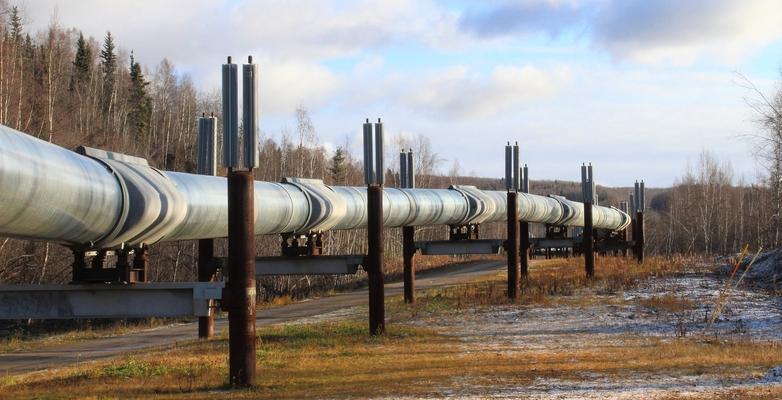
Modern Technologies for Pipeline Fault Detection
Advancements in sensors, data analytics, and automation have transformed how faults are detected in pipelines. Today’s systems offer real-time monitoring, rapid response, and predictive capabilities. Key modern techniques include:
- Supervisory Control and Data Acquisition (SCADA) systems: These centralized platforms collect and analyze data from sensors along the pipeline, enabling operators to spot anomalies quickly.
- Fiber optic sensing: Fiber optic cables installed along pipelines detect changes in temperature, strain, or acoustics, providing early warning of leaks or tampering.
- Negative pressure wave detection: This method senses pressure waves generated by sudden leaks, allowing for rapid localization of faults.
- Mass/volume balance methods: By comparing input and output flows, these systems can identify discrepancies that indicate leaks.
- Smart pigging: Robotic devices (pigs) travel inside pipelines, using sensors to detect corrosion, cracks, and other forms of damage.
For a deeper dive into how these systems are implemented, the article pipeline leak detection systems provides a comprehensive overview of the technologies and strategies used in the industry.
Data-Driven and AI-Enhanced Detection Methods
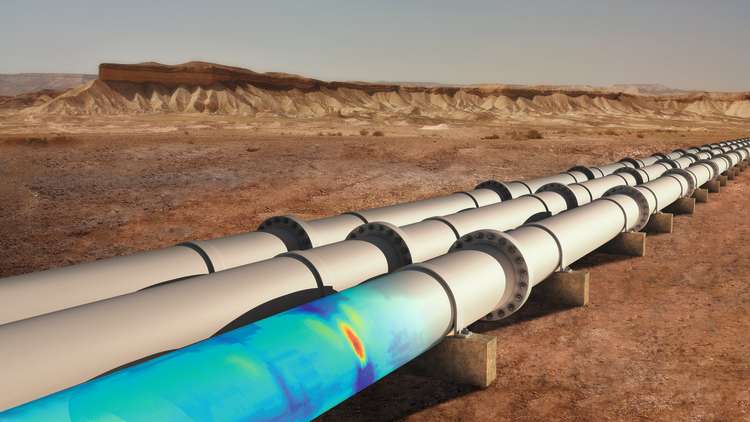
The integration of artificial intelligence and machine learning has elevated pipeline fault detection to new levels of accuracy and efficiency. These approaches analyze vast amounts of sensor data, learning to distinguish between normal fluctuations and genuine threats. Benefits include:
- Reduced false alarms: AI models can filter out noise, minimizing unnecessary shutdowns.
- Predictive maintenance: Machine learning can forecast potential failures based on patterns in historical data.
- Automated response: Some systems can trigger automatic shutdowns or rerouting in the event of a detected fault.
For those interested in the software side of these solutions, pipeline leak detection software explores the latest platforms and their capabilities.
Challenges in Fault Detection for Pipelines
Despite technological progress, several challenges persist in this field:
- False positives and negatives: Differentiating between harmless fluctuations and real faults remains a technical hurdle. This is especially relevant for operators dealing with pipeline leak false alarms.
- Integration with legacy infrastructure: Many pipelines are decades old and may not support the latest sensors or communication technologies.
- Environmental conditions: Remote or harsh environments can limit the effectiveness of certain detection methods.
- Data security: As systems become more connected, protecting sensitive operational data from cyber threats is increasingly important.
Ongoing research and development aim to address these challenges, making detection systems more reliable and adaptable.
Emerging Trends and Innovations
The future of pipeline fault detection is shaped by several emerging trends:
- Remote sensing and drones: Aerial surveillance using drones equipped with thermal or multispectral cameras can quickly identify leaks over large areas.
- Wireless sensor networks: Low-power, distributed sensors can cover vast pipeline networks, providing granular, real-time data.
- Cloud-based analytics: Centralizing data in the cloud allows for more powerful analysis and easier integration with enterprise systems.
- Smart valves and actuators: These devices can automatically isolate sections of pipeline in response to detected faults, minimizing spill size and response time.
For a technical exploration of advanced detection and localization, the research article pipeline leak detection and localization based on acoustic emission and deep learning provides valuable insights into the latest academic developments.
Best Practices for Implementing Detection Systems
Successful deployment of fault monitoring solutions requires a holistic approach:
- Risk assessment: Evaluate the specific risks associated with each pipeline segment to determine the most appropriate detection methods.
- Redundancy: Combine multiple detection techniques to improve reliability and reduce the risk of undetected faults.
- Regular calibration and testing: Ensure sensors and systems are functioning correctly through scheduled maintenance and testing.
- Training and response planning: Equip personnel with the knowledge and tools to respond quickly to detected anomalies.
For those interested in simulation and modeling, pipeline leak simulation can help operators understand how different faults might manifest and how detection systems will respond.
Integrating Detection with Pipeline Control Systems
To maximize safety and efficiency, detection technologies should be integrated with broader pipeline control and automation systems. This ensures that when a fault is detected, the system can take immediate action—such as shutting down pumps or closing valves—to contain the issue. For a closer look at these integrations, pipeline control systems discusses how monitoring and automation work together to protect critical infrastructure.
Frequently Asked Questions
What is the most effective method for detecting faults in pipelines?
There is no single best method; effectiveness depends on pipeline type, environment, and transported material. Combining multiple approaches—such as SCADA, fiber optics, and smart pigging—provides the most reliable results.
How do modern systems reduce false alarms in pipeline monitoring?
Advanced systems use AI and machine learning to analyze data patterns, filtering out normal fluctuations and focusing on genuine threats. This significantly reduces false positives and improves operational efficiency.
Are detection systems required by law for all pipelines?
Regulations vary by country and pipeline type. However, most jurisdictions require some form of leak and fault monitoring, especially for pipelines transporting hazardous materials.