

Pipeline Groundwater Contamination Risks
Pipelines are essential for transporting water, oil, gas, and chemicals across vast distances. However, when these underground conduits fail or leak, they can pose significant threats to groundwater quality. Pipeline groundwater contamination is a growing concern for communities, regulators, and industries alike, as it can impact drinking water sources, agriculture, and local ecosystems. Understanding how these risks arise, what factors contribute to them, and how they can be managed is crucial for safeguarding public health and the environment.
This article explores the main causes of groundwater pollution from pipelines, the consequences of such incidents, and the best practices for prevention and detection. For those interested in the technical side of pipeline safety, you may also want to read about pipeline failure analysis to understand how failures are investigated and mitigated.
How Pipelines Can Impact Groundwater Quality
Underground pipelines often run through or near aquifers, which are natural underground reservoirs of water. When a pipeline carrying hazardous substances develops a leak, these materials can seep into the surrounding soil and eventually reach groundwater. The risk of pipeline groundwater contamination depends on several factors:
- Pipeline age and condition: Older pipelines are more prone to corrosion and mechanical failure.
- Type of substance transported: Oil, chemicals, and untreated wastewater pose higher risks than water or natural gas.
- Soil and geology: Sandy or fractured soils allow contaminants to move more quickly toward aquifers.
- Depth of the pipeline: Shallow pipelines are closer to groundwater tables, increasing the risk of direct contamination.
Leaks can occur due to corrosion, faulty welds, accidental damage, or natural disasters. Once contaminants enter the groundwater, they can be difficult and costly to remove.
Common Sources and Types of Contaminants
The substances that pose the greatest threat to groundwater from pipelines include:
- Petroleum products: Crude oil, gasoline, and diesel contain hydrocarbons and additives that are toxic to humans and wildlife.
- Chemicals: Pipelines may carry industrial chemicals, solvents, or pesticides, which can be highly persistent in the environment.
- Heavy metals: Some pipelines transport substances containing lead, arsenic, or mercury, which can accumulate in groundwater.
- Wastewater: Leaks from sewage or industrial wastewater pipelines can introduce pathogens and nutrients, leading to waterborne diseases and algal blooms.
The movement of these contaminants depends on their chemical properties and the characteristics of the soil and aquifer. Some substances, like benzene or chlorinated solvents, are particularly mobile and can travel long distances underground.
Detecting and Preventing Pipeline Leaks
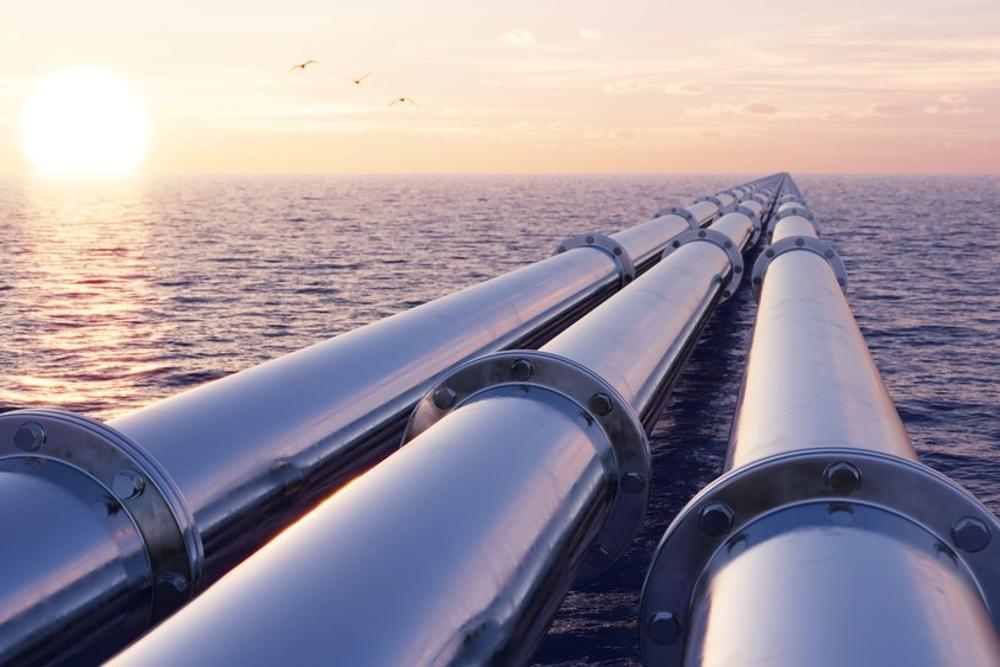
Early detection is key to minimizing the impact of leaks on groundwater. Modern pipelines are equipped with sensors and monitoring systems that can identify pressure drops, flow changes, or unusual vibrations. Technologies such as acoustic monitoring, fiber optic cables, and remote sensing are increasingly used to spot leaks before they become major incidents.
For a deeper dive into how weak points are identified, see the article on pipeline weak spot detection. Regular inspections, maintenance, and the use of corrosion-resistant materials also play a vital role in preventing failures.
In addition, advanced leak detection solutions are available to help operators quickly respond to potential threats. These systems use real-time data to alert operators to anomalies, reducing the time between leak occurrence and response.
Consequences of Groundwater Pollution from Pipelines
When contaminants reach groundwater, the effects can be long-lasting and widespread. Some of the main consequences include:
- Threats to drinking water: Many communities rely on groundwater for their water supply. Contamination can render wells unusable and require expensive treatment or replacement.
- Health risks: Exposure to chemicals, heavy metals, or pathogens in drinking water can cause acute and chronic health problems, including cancer, neurological disorders, and gastrointestinal illnesses.
- Environmental damage: Polluted groundwater can harm aquatic habitats, soil quality, and plant life, disrupting local ecosystems.
- Economic costs: Cleanup, remediation, and legal liabilities can run into millions of dollars for pipeline operators and affected communities.
Prompt detection and remediation are essential to limit these impacts. In severe cases, contaminated aquifers may take decades to recover, if at all.
Best Practices for Reducing Groundwater Contamination Risks
Mitigating the dangers associated with pipelines and groundwater involves a combination of engineering, monitoring, and regulatory strategies:
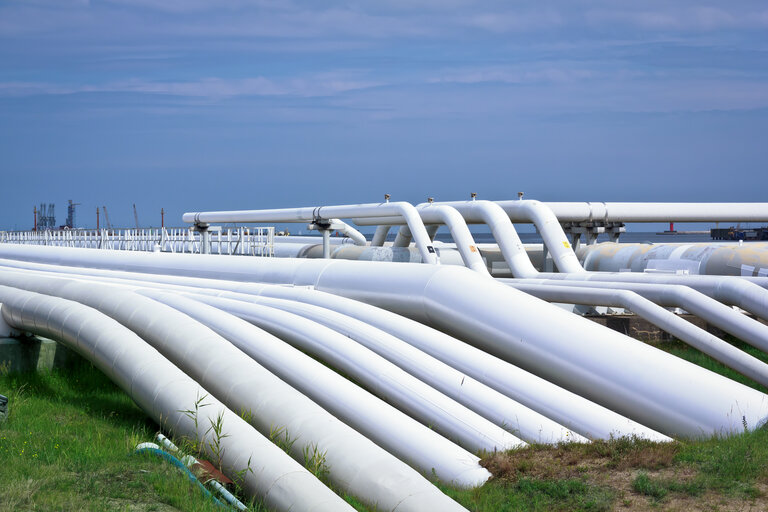
- Pipeline design and materials: Use corrosion-resistant alloys and protective coatings to extend pipeline life and reduce the likelihood of leaks.
- Routine inspections: Employ technologies such as smart pigs, ultrasonic testing, and pressure monitoring to detect weaknesses before they result in failures.
- Leak detection systems: Integrate real-time monitoring and automated shutoff valves to quickly isolate affected sections.
- Site selection and routing: Avoid routing pipelines through sensitive aquifer recharge zones or areas with high groundwater tables whenever possible.
- Emergency response planning: Develop and regularly update response plans to ensure rapid containment and remediation if a leak occurs.
Operators can also benefit from understanding pipeline structural integrity to ensure their infrastructure remains robust over time.
Regulatory Oversight and Community Involvement
Government agencies at the federal, state, and local levels regulate pipeline construction, operation, and maintenance. Regulations often require environmental impact assessments, regular reporting, and emergency preparedness. Public participation is also important—community monitoring programs and transparent communication help build trust and ensure that concerns about water safety are addressed.
Communities can advocate for stricter standards and demand timely information about incidents and remediation efforts. Collaboration between industry, regulators, and local stakeholders is key to minimizing the risks associated with underground pipelines.
Frequently Asked Questions
- What are the first signs of groundwater contamination from pipelines?
- Early signs may include changes in water taste, odor, or color, as well as the presence of oily films or unusual residues in wells. In some cases, local wildlife or vegetation may show signs of stress or decline. For more information, see the article on pipeline rupture signs.
- How can pipeline operators prevent leaks that threaten groundwater?
- Operators can implement regular inspections, use corrosion-resistant materials, install advanced leak detection systems, and follow strict maintenance protocols. Proactive monitoring and rapid response are essential to minimize environmental impact.
- What should communities do if they suspect a pipeline leak is affecting their water?
- Residents should report any suspected leaks or changes in water quality to local authorities and the pipeline operator immediately. Testing well water and seeking guidance from health departments can help determine if contamination has occurred and what steps are needed for remediation.
Conclusion
The risk of pipeline groundwater contamination is a complex challenge that requires ongoing vigilance from operators, regulators, and communities. By understanding the sources of contamination, investing in modern detection technologies, and following best practices for pipeline management, it is possible to significantly reduce the threat to vital water resources. Staying informed and proactive is the best defense against the long-term consequences of groundwater pollution from pipeline leaks.