
Pipeline Leak Detection Challenges
Pipeline infrastructure is vital for transporting oil, gas, water, and chemicals over long distances. However, ensuring the integrity of these systems is a complex task. Pipeline leak detection challenges have become a major concern for operators, regulators, and communities due to the risks of environmental damage, safety incidents, and financial loss. As pipelines age and networks expand, the need for reliable monitoring and rapid response to leaks is more urgent than ever.
Detecting leaks is not as straightforward as it may seem. Factors such as pipeline material, terrain, transported product, and system complexity all influence how leaks are detected and managed. Operators must balance sensitivity, speed, and accuracy while minimizing false alarms and operational disruptions. For a deeper understanding of how different technologies work, you can explore pipeline leak detection systems and their practical applications.
Understanding the Complexity of Leak Detection
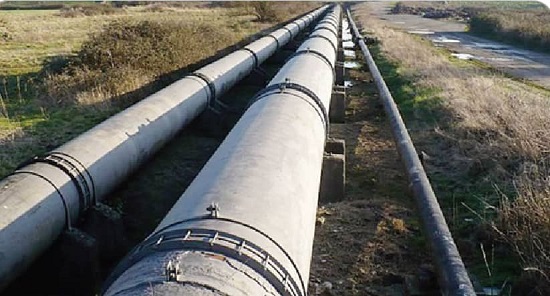
Modern pipeline networks can span thousands of kilometers, crossing urban, rural, and even underwater environments. Each setting presents unique obstacles for leak monitoring. For example, remote locations may lack reliable power or communications infrastructure, making real-time data collection difficult. Subsea pipelines face additional challenges from water pressure, corrosion, and limited access for inspections.
The diversity of transported products—ranging from crude oil and natural gas to ammonia and hydrogen—also impacts detection methods. Some substances are more volatile, toxic, or prone to rapid dispersion, requiring specialized sensors and rapid response protocols. The presence of blended fuels or multi-phase flows further complicates the detection process, as traditional monitoring systems may not accurately detect leaks in these scenarios.
Common Methods and Their Limitations
Pipeline operators use a variety of leak detection technologies, each with strengths and weaknesses. Some of the most common approaches include:
- Pressure and Flow Monitoring: Sensors track changes in pressure and flow rates along the pipeline. Sudden drops may indicate a leak, but these systems can be slow to detect small leaks and are susceptible to false alarms from normal operational fluctuations.
- Acoustic and Vibration Sensors: These devices listen for sounds or vibrations caused by escaping fluids. While sensitive, they can be affected by background noise, making it hard to distinguish between leaks and other sources of vibration.
- Fiber Optic Cables: Installed along the pipeline, these cables detect temperature changes or vibrations associated with leaks. Fiber optics offer high sensitivity but come with significant installation and maintenance costs.
- Mass/Volume Balance Systems: By comparing the amount of product entering and leaving a pipeline segment, operators can identify discrepancies. However, these systems may not detect slow leaks or those occurring over long distances.
For a more technical perspective on simulation-based approaches, the article on pipeline leak simulation provides insights into how modeling can support detection strategies.
Key Pipeline Leak Detection Challenges in Practice
Despite advances in technology, several persistent obstacles make leak detection a difficult task:
- False Alarms: High rates of false positives can erode trust in detection systems and lead to unnecessary shutdowns. Distinguishing between real leaks and normal operational changes is a major challenge. For strategies to address this issue, see the discussion on pipeline leak false alarms.
- Detection Sensitivity: Many systems struggle to identify small or slow leaks, especially in older pipelines or those with complex flow dynamics. Undetected minor leaks can cause significant environmental harm over time.
- Response Time: Rapid detection is crucial for minimizing damage, but delays can occur due to data transmission lags, manual verification steps, or limitations in sensor coverage.
- Environmental and Operational Conditions: Temperature fluctuations, ground movement, and electromagnetic interference can affect sensor accuracy. Seasonal changes, such as freezing or flooding, may also impact detection capabilities.
- Integration with Control Systems: Leak detection tools must work seamlessly with pipeline control systems to enable automated responses and coordinated emergency actions. Integration challenges can slow down or complicate incident management.

Special Considerations for Subsea and Remote Pipelines
Offshore and remote pipelines present some of the toughest circumstances for leak monitoring. Subsea lines are exposed to high pressures, corrosion from saltwater, and shifting seabeds. Access for maintenance or sensor installation is limited, and repairs can be costly and time-consuming. Remote land pipelines may traverse deserts, forests, or mountainous regions, where power supply and communications infrastructure are sparse.
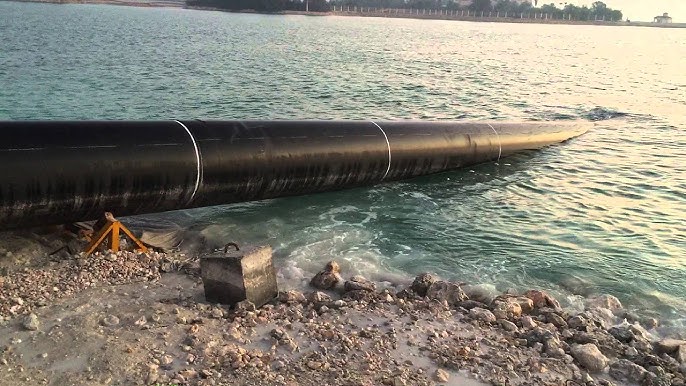
These environments often require custom solutions, such as satellite-based monitoring, autonomous underwater vehicles, or advanced fiber optic systems. However, the cost and complexity of these technologies can be prohibitive, especially for older infrastructure.
Regulatory and Environmental Pressures
Regulatory agencies are increasing their scrutiny of pipeline safety and environmental protection. Operators must comply with strict reporting requirements and demonstrate that their leak detection systems meet or exceed industry standards. Failure to detect or respond to leaks promptly can result in significant fines, reputational damage, and legal liabilities.
Environmental concerns are also driving innovation in leak monitoring. Communities and advocacy groups expect greater transparency and accountability from pipeline operators. The need to prevent spills and reduce emissions is pushing the industry toward more sensitive, automated, and integrated detection solutions.
Emerging Technologies and Future Directions
The future of leak monitoring lies in the integration of multiple technologies and smarter data analytics. Advances in artificial intelligence, machine learning, and cloud computing are enabling more accurate detection and faster response times. Predictive maintenance tools can identify potential weak points before leaks occur, reducing the risk of incidents.
Smart valves and automated control systems are becoming more common, allowing operators to isolate affected sections of pipeline quickly and minimize product loss. For a comprehensive overview of digital solutions, see the article on pipeline leak detection software.
Despite these advances, no single solution can address all pipeline leak detection challenges. Operators must adopt a layered approach, combining multiple technologies and operational best practices to achieve reliable results.
Best Practices for Overcoming Leak Monitoring Obstacles
To improve leak detection performance, pipeline operators should consider the following strategies:
- Conduct regular risk assessments and update monitoring strategies based on changing conditions and new threats.
- Invest in staff training and emergency response planning to ensure rapid, coordinated action when leaks are detected.
- Integrate detection systems with pipeline control systems for automated shutdowns and real-time alerts. Learn more about integration in pipeline control systems.
- Leverage data analytics and machine learning to reduce false alarms and improve detection sensitivity.
- Engage with regulators, local communities, and industry groups to stay informed about evolving standards and expectations.
For more information on early warning signs and proactive maintenance, the guide on signs that your pipeline needs leak sealing offers practical advice.
Frequently Asked Questions
What are the main causes of pipeline leaks?
Pipeline leaks can result from corrosion, material defects, external damage (such as excavation), faulty welds, equipment failure, and natural events like earthquakes or flooding. Aging infrastructure and inadequate maintenance also increase the risk of leaks.
How can false alarms in leak detection be minimized?
Reducing false positives requires a combination of advanced sensor technology, robust data analytics, and regular calibration of detection systems. Integrating multiple detection methods and using machine learning algorithms can help distinguish between real leaks and normal operational fluctuations.
Are there regulations governing pipeline leak monitoring?
Yes, most countries have strict regulations that require pipeline operators to implement leak detection systems and report any incidents promptly. Regulatory standards vary by region and product type, but the trend is toward more stringent requirements and greater transparency.
Addressing pipeline leak detection challenges is an ongoing process that demands technical expertise, investment, and a proactive approach to risk management. By staying informed and adopting best practices, operators can protect their assets, the environment, and public safety.