

Pipeline Leak Monitoring Techniques
Pipeline leak monitoring is a critical aspect of maintaining the safety, efficiency, and environmental compliance of oil, gas, and water transportation systems. As pipelines age and operational demands increase, the risk of leaks grows, making it essential for operators to adopt effective detection and monitoring strategies. This article explores the most widely used and emerging methods for identifying and managing leaks, highlighting their advantages, limitations, and practical applications.
Leaks can lead to significant financial losses, environmental damage, and safety hazards. Early detection and rapid response are vital for minimizing these risks. Understanding the range of available monitoring solutions helps operators choose the best fit for their infrastructure, regulatory requirements, and operational goals.
For a deeper understanding of how leaks are detected and the science behind various methods, you can read pipeline leak detection. This resource provides an excellent foundation for anyone interested in the technical background of leak monitoring.
Why Pipeline Leak Monitoring Matters
The consequences of undetected leaks can be severe. Not only do they pose environmental threats by contaminating soil and water, but they also endanger public health and safety. Regulatory agencies worldwide are tightening standards, requiring pipeline operators to implement robust monitoring systems. Proactive leak detection also helps companies avoid costly repairs, legal liabilities, and reputational damage.
Key reasons to invest in advanced monitoring include:
- Environmental protection – Preventing spills and contamination.
- Operational efficiency – Reducing product loss and downtime.
- Regulatory compliance – Meeting government and industry standards.
- Safety assurance – Protecting workers and communities.
Traditional and Modern Leak Detection Methods
Over the years, several approaches have been developed to identify leaks in pipelines. These range from manual inspections to sophisticated sensor networks and data analytics.
Visual and Manual Inspection
Historically, pipeline operators relied on routine patrols, visual checks, and manual pressure readings. While these methods can spot obvious issues, they are labor-intensive and may miss small or slow-developing leaks, especially in remote or buried sections.
Pressure and Flow Monitoring
One of the most common techniques involves monitoring pressure and flow rates along the pipeline. Sudden drops in pressure or unexpected changes in flow can indicate a leak. Automated systems can trigger alarms and shut down affected sections to limit damage.
However, this approach may not detect minor leaks or differentiate between leaks and normal operational fluctuations. It is often used in combination with other methods for greater accuracy.
Acoustic Monitoring and Fiber Optic Sensing
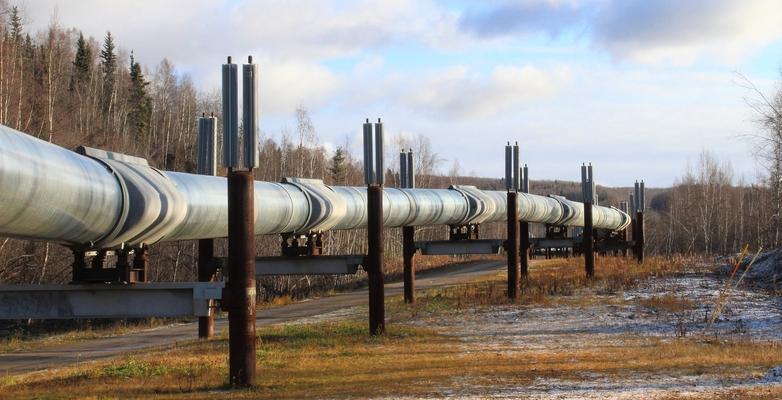
Advanced techniques use acoustic sensors and fiber optic cables to detect the sound or vibration patterns caused by escaping fluids. These systems can pinpoint the location of a leak with high precision, even in long or buried pipelines.
Fiber optic sensing, in particular, offers real-time, continuous monitoring over vast distances. It can detect temperature changes, vibrations, and even the smallest leaks, making it a popular choice for new pipeline installations.
Mass/Volume Balance Systems
Mass or volume balance methods compare the amount of product entering and exiting a pipeline segment. Any unexplained discrepancy may signal a leak. These systems are effective for detecting larger leaks but may struggle with slow or intermittent losses.
External Sensing and Environmental Monitoring
External sensors, such as hydrocarbon sniffers, moisture detectors, and chemical sensors, are placed along the pipeline route. They can identify leaks by detecting changes in soil composition, air quality, or groundwater contamination.
Environmental monitoring is especially useful in sensitive areas where rapid response is crucial to prevent ecological harm.
Emerging Technologies in Leak Monitoring
The field of pipeline leak monitoring continues to evolve with the integration of digital technologies, artificial intelligence, and remote sensing. These innovations are making detection faster, more accurate, and less reliant on manual intervention.
AI and Machine Learning
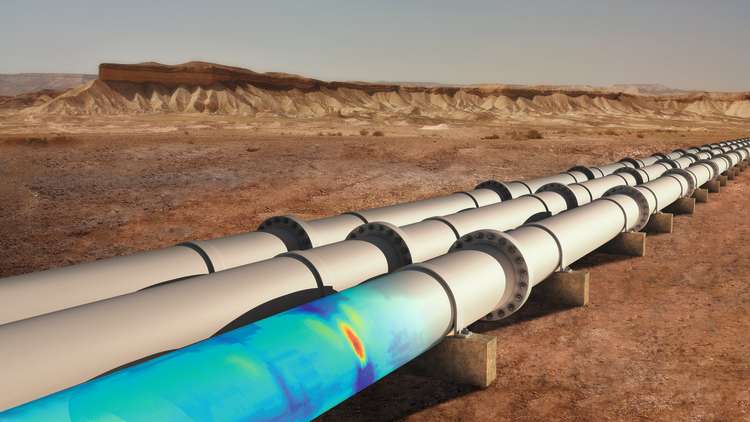
Artificial intelligence and machine learning algorithms analyze large volumes of sensor data to identify patterns associated with leaks. These systems can distinguish between normal operational changes and actual leak events, reducing false alarms and improving response times.
For a technical overview of how AI is being applied to leak localization, see this research article on AI-based leak detection and localization.
Smart Valves and Automated Shutoff
Smart valves equipped with sensors and remote control capabilities can automatically isolate sections of pipeline when a leak is detected. This minimizes product loss and environmental impact while ensuring safety. Integrating these valves with monitoring systems enables rapid, coordinated responses.
Satellite and Drone Surveillance
Remote sensing technologies, including satellites and drones, are increasingly used to monitor pipelines in challenging or inaccessible locations. High-resolution imagery and thermal sensors can detect leaks from above, providing a valuable layer of oversight for long-distance pipelines.
Integrating Monitoring with Prevention and Assessment
Effective leak management is not just about detection; it also involves prevention and assessment. Regular maintenance, corrosion protection, and risk analysis are essential to reduce the likelihood of leaks. For more on this, explore pipeline leak prevention strategies and learn about the main causes of pipeline leaks that can be addressed proactively.
When a leak is detected, accurate assessment methods help determine its severity and guide repair efforts. The article on pipeline leak assessment offers insights into evaluating leaks and planning effective interventions.
Best Practices for Pipeline Operators
To maximize the effectiveness of leak monitoring, operators should:
- Combine multiple detection methods for comprehensive coverage.
- Regularly calibrate and maintain sensors and monitoring equipment.
- Train personnel in interpreting data and responding to alarms.
- Integrate monitoring with emergency response plans.
- Stay informed about new technologies and regulatory changes.
Recognizing pipeline leak signs early and acting promptly can make a significant difference in minimizing damage and downtime.
Frequently Asked Questions
What is the most reliable method for detecting pipeline leaks?
There is no single best method, as reliability depends on pipeline type, location, and operational conditions. Combining pressure monitoring, acoustic sensors, and external detection often provides the most comprehensive coverage.
How quickly can modern systems detect a leak?
Advanced systems using fiber optics or AI-driven analytics can detect leaks in real time, often within minutes. Manual inspections and basic pressure monitoring may take longer to identify issues.
Are leak monitoring systems required by law?
Many jurisdictions mandate leak monitoring for certain types of pipelines, especially those transporting hazardous materials. Regulations vary, so operators should consult local and national standards to ensure compliance.
Can monitoring systems prevent leaks?
While monitoring systems do not prevent leaks directly, they enable early detection and rapid response, which helps minimize the impact. Preventive maintenance and risk management are also essential components of a comprehensive leak prevention strategy.