
Pipeline Modernization Technologies
The energy sector is undergoing rapid transformation, with pipeline modernization technologies at the forefront of this change. As infrastructure ages and regulatory demands increase, operators are seeking advanced solutions to boost safety, efficiency, and environmental performance. Modernizing pipelines is no longer optional—it's essential for maintaining reliability and meeting the challenges of today’s energy landscape.
From smart sensors to advanced coatings and automated controls, the latest innovations are reshaping how pipelines are monitored, maintained, and upgraded. This article explores the most impactful advancements, their benefits, and practical considerations for implementation. For those interested in related challenges, understanding pipeline coating failures is also crucial for a comprehensive modernization strategy.
Key Drivers for Upgrading Pipeline Systems
Several factors are pushing the industry to adopt new pipeline modernization technologies. Aging infrastructure, stricter environmental regulations, and the growing need for real-time data all play a role. Operators are also motivated by the potential to reduce operational costs, minimize downtime, and prevent incidents such as leaks or equipment failures.
Modernization is not just about replacing old pipes. It involves integrating digital tools, improving materials, and automating processes to create smarter, more resilient networks. By leveraging these advancements, companies can address issues like pipeline gasket leak causes and enhance overall system integrity.
Digital Monitoring and Smart Sensors
One of the most significant shifts in the industry is the adoption of digital monitoring systems. Smart sensors and Internet of Things (IoT) devices now provide continuous, real-time data on flow rates, pressure, temperature, and even early signs of corrosion or leaks. This data-driven approach enables predictive maintenance, helping operators address problems before they escalate.
Advanced analytics platforms can process vast amounts of sensor data, offering actionable insights and supporting remote decision-making. These technologies are especially valuable for pipelines in remote or hazardous locations, where manual inspections are costly and risky.
Advanced Materials and Protective Coatings
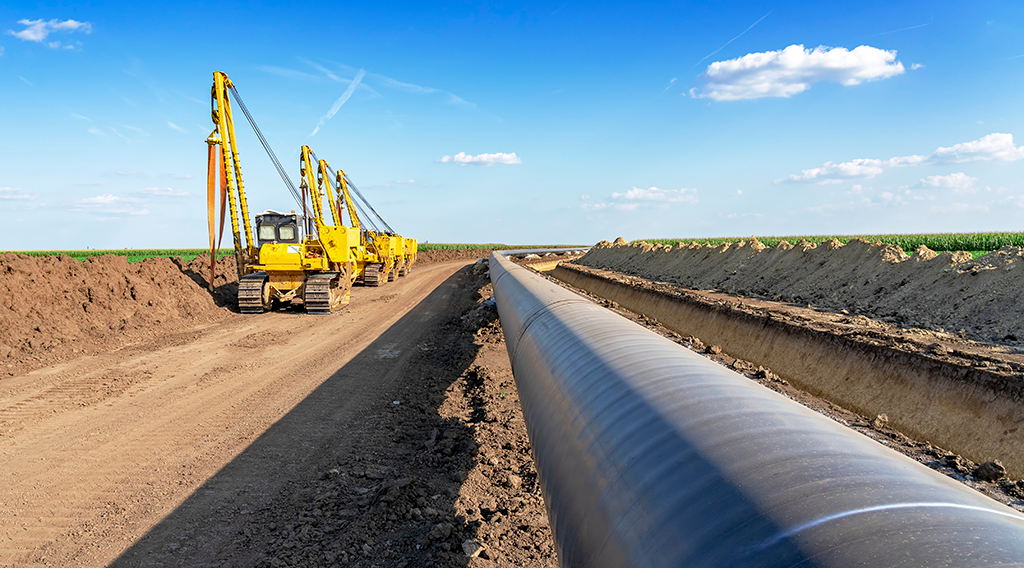
Material science has played a crucial role in pipeline upgrades. New alloys, composite materials, and enhanced coatings offer superior resistance to corrosion, abrasion, and chemical attack. These improvements extend the lifespan of pipelines and reduce the risk of failures.
Protective coatings, in particular, are vital for preventing external corrosion and maintaining structural integrity. Operators who want to learn more about corrosion prevention can explore pipeline corrosion prevention methods to ensure their modernization efforts are comprehensive.
Automation and Remote Operations
Automation is transforming how pipelines are operated and maintained. Modern control systems allow for remote monitoring and management of valves, pumps, and other critical components. This reduces the need for on-site personnel, enhances safety, and enables faster response to operational changes or emergencies.
Automated systems can also integrate with leak detection technologies, providing immediate alerts and even initiating shutdown procedures if anomalies are detected. This level of control is essential for minimizing environmental impact and meeting regulatory requirements.

Leak Detection and Environmental Protection
Leak detection is a top priority for pipeline operators. Modern solutions use a combination of acoustic sensors, fiber optics, and advanced algorithms to identify leaks quickly and accurately. Early detection not only prevents product loss but also protects the environment and reduces cleanup costs.
For more information on identifying leaks, consider reading about common signs your pipeline is leaking. Integrating these detection systems with automated controls ensures a rapid and coordinated response to any incident.
Data Integration and Predictive Maintenance
The integration of data from multiple sources—sensors, inspections, and historical records—enables predictive maintenance strategies. By analyzing trends and identifying patterns, operators can schedule repairs and replacements proactively, minimizing unplanned downtime and optimizing resource allocation.
Predictive maintenance not only improves reliability but also extends asset life and reduces costs. It is a key component of any modernization strategy, supporting both operational efficiency and regulatory compliance.
Regulatory Compliance and Oversight
Meeting regulatory standards is a core aspect of pipeline management. Modern technologies make it easier to document compliance, generate reports, and respond to audits. Digital records, automated monitoring, and real-time alerts all contribute to a more transparent and accountable operation.
For insights into the complexities of oversight, review the challenges discussed in pipeline oversight challenges. Staying ahead of regulatory changes is crucial for avoiding penalties and maintaining public trust.
Challenges and Considerations in Modernization
While the benefits of upgrading are clear, there are challenges to consider. Integrating new technologies with legacy systems can be complex and may require significant investment. Training staff, ensuring cybersecurity, and managing data privacy are also important factors.
A phased approach, starting with high-impact areas such as leak detection or automation, can help organizations manage costs and minimize disruption. Collaboration with technology providers and industry experts is essential for successful implementation.
Future Outlook for Pipeline Technology
The future of pipeline infrastructure will be shaped by continued innovation. Artificial intelligence, machine learning, and blockchain are emerging as potential tools for further enhancing security, efficiency, and transparency. As these technologies mature, they will open new possibilities for remote operations, asset management, and regulatory reporting.
Staying informed about the latest advancements and best practices will be key for operators aiming to remain competitive and compliant in a rapidly changing industry.
Frequently Asked Questions
What are the main benefits of modernizing pipeline infrastructure?
Upgrading with the latest technologies improves safety, reduces operational costs, enhances environmental protection, and supports compliance with evolving regulations. It also extends the lifespan of assets and enables predictive maintenance.
How do smart sensors improve pipeline management?
Smart sensors provide real-time data on pipeline conditions, enabling early detection of issues such as leaks, pressure changes, or corrosion. This data-driven approach allows for faster, more informed decision-making and reduces the risk of failures.
What challenges should operators expect when implementing new technologies?
Common challenges include integrating new systems with existing infrastructure, managing upfront costs, training personnel, and ensuring cybersecurity. A strategic, phased approach and collaboration with experienced partners can help address these issues.