

Pipeline Rehabilitation Methods
Aging infrastructure, environmental concerns, and growing demand have made pipeline rehabilitation methods a critical topic for utilities, municipalities, and industries worldwide. Over time, pipelines transporting water, oil, gas, or other materials are prone to corrosion, leaks, and structural failures. Addressing these issues efficiently is essential for safety, regulatory compliance, and cost control.
This article explores the main approaches to restoring pipelines, from trenchless technologies to traditional repairs. We'll also discuss how to select the right technique, highlight the benefits and challenges of each, and provide practical insights for asset managers and engineers. For those interested in related topics, understanding pipeline coating failures can offer valuable context on why rehabilitation is often necessary.
Why Pipelines Need Rehabilitation
Pipelines are designed to last for decades, but factors like corrosion, ground movement, chemical exposure, and operational stress can degrade their integrity. Common issues include:
- Corrosion – Both internal and external corrosion can weaken metal pipes, leading to leaks or bursts.
- Joint and gasket failures – Aging seals may allow fluid to escape, as detailed in this guide to pipeline gasket leak causes.
- Coating breakdown – Protective coatings may fail, exposing the pipe to environmental damage.
- Mechanical damage – Excavation, vibration, or shifting soils can crack or deform pipes.
Rehabilitation extends the service life of pipelines, minimizes downtime, and reduces the risk of environmental contamination or costly emergency repairs.
Overview of Pipeline Rehabilitation Techniques
There are several established and emerging pipeline rehabilitation methods. The choice depends on the pipe material, diameter, location, and the nature of the problem. The main categories include:
- Trenchless rehabilitation – Minimizes excavation and surface disruption.
- Traditional open-cut repair – Involves digging to access and replace or repair the damaged section.
- Internal lining and coating – Applies protective or structural layers inside the pipe.
- Pipe bursting and replacement – Breaks the old pipe while pulling in a new one.
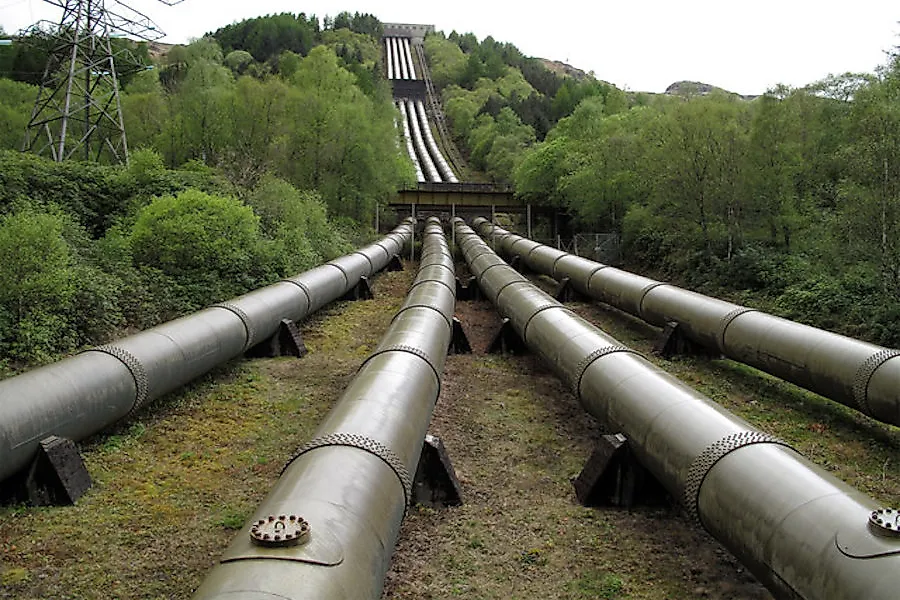
Trenchless Pipeline Rehabilitation Methods
Trenchless technologies have revolutionized the way pipelines are restored. These approaches reduce surface disruption, traffic delays, and environmental impact. Key trenchless methods include:
Cured-In-Place Pipe (CIPP)
CIPP involves inserting a flexible liner coated with resin into the existing pipe. The liner is inflated and cured (using hot water, steam, or UV light) to form a tight-fitting, jointless pipe within the old one. This method is widely used for water and sewer lines with minimal excavation.
Sliplining
Sliplining places a slightly smaller diameter pipe inside the damaged one. The annular space is grouted to secure the new pipe. While simple and cost-effective, sliplining reduces the internal diameter and is best for straight, accessible pipelines.
Pipe Bursting
Pipe bursting breaks the old pipe apart while simultaneously pulling in a new pipe of equal or larger diameter. This technique is suitable for replacing brittle or severely damaged pipes, especially in congested urban areas.
Spiral Wound Lining
A continuous strip of PVC or HDPE is wound inside the host pipe to create a new liner. This method is often used for large-diameter pipes and can be installed with minimal service interruption.
Traditional and Hybrid Rehabilitation Approaches
While trenchless methods are preferred for many projects, traditional open-cut repair and hybrid solutions are still necessary in certain situations:
- Open-cut replacement – Excavating to remove and replace damaged sections. This is sometimes unavoidable for severely collapsed or misaligned pipes.
- Spot repairs – Localized excavation to fix leaks, cracks, or faulty joints.
- Hybrid methods – Combining trenchless lining with targeted excavation when only part of the pipeline is accessible.
Selecting the right approach depends on factors like pipe depth, accessibility, soil conditions, and the presence of other utilities.
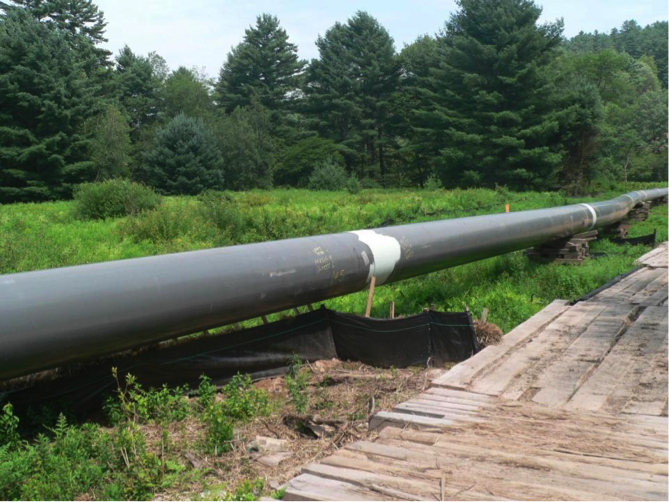
Internal Lining and Coating Solutions
Applying new linings or coatings inside pipelines can restore structural integrity and prevent further corrosion. Common options include:
- Cement mortar lining – Used in water mains to prevent corrosion and improve water quality.
- Epoxy and polyurethane coatings – Provide a durable, chemical-resistant barrier for both water and oil/gas pipelines.
- Polymeric spray linings – Applied with robotic equipment for uniform coverage in small- or large-diameter pipes.
These solutions are often used in conjunction with other rehabilitation methods to maximize pipeline lifespan.
Inspection and Leak Detection: The First Step
Before selecting a rehabilitation strategy, thorough inspection is essential. Modern tools include CCTV cameras, ultrasonic testing, and smart pigging devices that detect wall thickness, corrosion, and leaks. Early identification of issues can prevent catastrophic failures and guide the choice of repair method.
For more on identifying and responding to leaks, see this comprehensive guide to leak detection and response.
Factors Influencing Method Selection
Choosing the appropriate pipeline rehabilitation method involves evaluating several factors:
- Pipe material and age – Some methods are better suited for metal, concrete, or plastic pipes.
- Diameter and length – Large or long pipelines may require specialized equipment or staged repairs.
- Location and accessibility – Urban environments favor trenchless solutions, while rural areas may allow open-cut work.
- Budget and timeline – Cost, available funding, and service disruption windows affect the decision.
- Regulatory requirements – Environmental and safety standards may dictate certain approaches.
Consulting with experienced engineers and considering long-term maintenance needs is vital for a successful project.
Benefits and Challenges of Modern Rehabilitation
Modern pipeline rehabilitation methods offer several advantages:
- Reduced excavation and surface disruption
- Faster project completion and lower labor costs
- Extended pipeline lifespan and improved safety
- Lower environmental impact compared to full replacement
However, challenges remain. Not all pipes are suitable for trenchless repair, and some methods may reduce flow capacity. Upfront costs can be significant, and specialized contractors are often required. Understanding these trade-offs is key to making informed decisions.
Integrating Rehabilitation with Prevention
While restoring pipelines is essential, preventing future failures is equally important. Proactive measures such as regular inspection, corrosion control, and the use of smart monitoring devices can help extend asset life. For strategies on minimizing future risks, explore these resources on pipeline corrosion prevention and pipeline equipment failures.
Frequently Asked Questions
What is the most cost-effective pipeline rehabilitation method?
The most cost-effective approach depends on the specific situation. For many water and sewer lines, CIPP lining is popular due to minimal excavation and quick installation. However, sliplining or spot repairs may be more affordable for certain small-scale issues.
How long does a rehabilitated pipeline last?
Modern rehabilitation techniques can extend pipeline life by 30–50 years or more, depending on the method used, pipe material, and environmental conditions. Regular inspection and maintenance are essential for maximizing longevity.
Can all pipelines be rehabilitated using trenchless methods?
Not all pipelines are suitable for trenchless repair. Severely collapsed pipes, those with extreme bends, or pipes in unstable soil may require open-cut replacement or hybrid solutions. A thorough inspection is needed to determine the best option.
Conclusion
Restoring aging or damaged pipelines is a complex process that requires careful assessment and the right mix of technology and expertise. By understanding the range of available pipeline rehabilitation methods and integrating them with proactive maintenance, asset managers can ensure safe, reliable, and cost-effective pipeline operations for years to come. For additional insights on industry challenges, see this overview of pipeline oversight challenges.