
Pipeline Replacement Planning Strategies
Effective pipeline replacement planning is essential for ensuring the reliability, safety, and efficiency of critical infrastructure. As pipelines age or face new operational demands, asset owners and operators must make informed decisions about when and how to replace sections of their networks. This process involves a blend of technical assessment, risk management, regulatory compliance, and cost optimization. Understanding the key elements of a robust replacement plan can help organizations minimize disruptions, prevent failures, and extend the lifespan of their systems.
A comprehensive approach considers factors such as asset condition, historical performance, environmental impacts, and evolving industry standards. By proactively addressing vulnerabilities, operators can avoid costly emergencies and maintain public trust. For those interested in related challenges, exploring pipeline coating failures provides additional insight into common issues that may trigger the need for replacement.
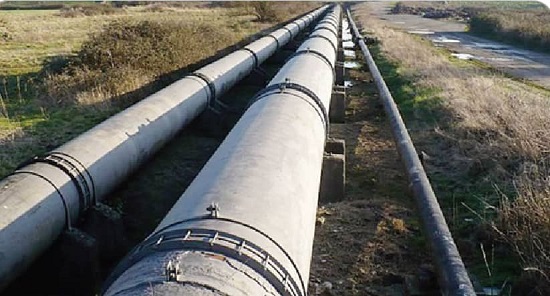
Key Drivers for Pipeline Renewal
Several factors influence the need for pipeline renewal. The most common drivers include:
- Age and Material Degradation: Over time, materials such as steel, iron, or plastic can deteriorate due to corrosion, fatigue, or chemical exposure.
- Regulatory Requirements: New safety or environmental regulations may necessitate upgrades or replacements to meet compliance standards.
- Capacity Demands: Increased throughput or changes in transported substances (e.g., blending hydrogen with natural gas) may exceed the original design specifications.
- Leak and Failure History: Repeated leaks or failures often signal the need for a more permanent solution than patch repairs.
- Technological Advancements: Modern materials and monitoring technologies can offer improved performance and lower lifecycle costs.
Understanding these triggers helps prioritize replacement projects and allocate resources effectively.
Assessing Pipeline Condition and Risk
A systematic assessment is the foundation of any pipeline replacement planning effort. Operators typically use a combination of inspection data, performance history, and risk modeling to evaluate asset health. Key steps include:
- Data Collection: Gather information from inline inspection tools, pressure tests, and visual surveys. This data reveals corrosion, cracks, wall thinning, and other defects.
- Risk Analysis: Use models to estimate the likelihood and consequences of failure. Factors such as proximity to populated areas, environmental sensitivity, and product type influence risk ratings.
- Prioritization: Rank pipeline segments by risk and criticality to ensure that the most urgent needs are addressed first.
By integrating these steps, organizations can develop a data-driven plan that targets high-risk assets and optimizes investment.

Developing a Replacement Strategy
Once high-priority segments are identified, the next step is to define the most effective approach for replacement. This involves balancing technical feasibility, cost, and operational impact. Common strategies include:
- Full Segment Replacement: Removing and replacing entire sections, often used when damage is widespread or the pipeline is obsolete.
- Targeted Spot Replacement: Replacing only the most deteriorated portions, which can be cost-effective but may require ongoing monitoring.
- Parallel Installation: Laying a new pipeline alongside the existing one to minimize service interruptions.
- Trenchless Technologies: Methods such as horizontal directional drilling or pipe bursting reduce surface disruption and are ideal for urban or environmentally sensitive areas.
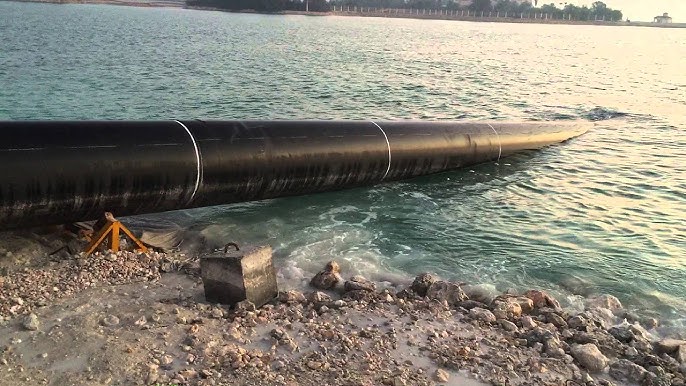
The choice of strategy depends on factors such as accessibility, environmental constraints, and the ability to maintain service during construction. For underwater or remote installations, specialized techniques and materials may be required.
Cost Optimization and Funding Approaches
Budget constraints are a major consideration in any pipeline replacement planning process. To maximize value, organizations should:
- Bundle Projects: Combining multiple replacements or upgrades in one contract can reduce mobilization costs and streamline procurement.
- Leverage Asset Management Tools: Software platforms help track asset condition, forecast failures, and optimize replacement timing.
- Explore Alternative Funding: Public-private partnerships, grants, and low-interest loans can help finance large-scale projects.
- Evaluate Lifecycle Costs: Consider not just initial construction expenses but also long-term maintenance, energy consumption, and regulatory compliance.
A well-structured financial plan ensures that critical replacements are completed without compromising other operational priorities.
Regulatory and Environmental Considerations
Compliance with regulations is non-negotiable in pipeline infrastructure projects. Replacement activities must adhere to local, national, and industry-specific standards. Environmental impact assessments are often required, especially in sensitive areas or when working near water bodies.
Mitigation measures may include spill prevention, habitat restoration, and noise or dust control. Engaging with stakeholders—such as landowners, communities, and regulators—early in the planning process can help avoid delays and build support for the project.
For more on environmental protection, review best practices in pipeline corrosion prevention to understand how proactive maintenance can extend asset life and reduce the frequency of replacements.
Integrating Technology and Innovation
Modern replacement planning increasingly relies on digital tools and advanced materials. Examples include:
- Smart Sensors: Real-time monitoring devices detect leaks, pressure changes, and temperature fluctuations, enabling predictive maintenance.
- Geographic Information Systems (GIS): Mapping and spatial analysis support route selection, risk assessment, and stakeholder engagement.
- Composite Materials: New pipe materials offer improved corrosion resistance and durability, reducing future replacement needs.
Adopting these innovations can improve project outcomes and reduce overall risk.
Common Challenges and Solutions
Despite careful planning, pipeline renewal projects often encounter obstacles such as unexpected ground conditions, permitting delays, or supply chain disruptions. To address these challenges:
- Maintain Flexibility: Build contingency plans and allow for schedule adjustments as needed.
- Engage Experienced Contractors: Partnering with firms that have a proven track record can help anticipate and resolve issues quickly.
- Continuous Communication: Keep stakeholders informed to manage expectations and respond to concerns promptly.
Learning from past incidents, such as pipeline equipment failures, can also inform better practices and risk mitigation strategies.
Proactive Maintenance and Leak Prevention
While replacement is sometimes unavoidable, proactive maintenance can delay or reduce the need for major interventions. Regular inspections, protective coatings, and prompt leak repairs are all critical. For instance, understanding the signs that your pipeline needs leak sealing can help operators address minor issues before they escalate.
Integrating maintenance data into your asset management system ensures that replacement decisions are based on the latest information, supporting a more efficient and cost-effective approach.
Frequently Asked Questions
What factors determine when a pipeline should be replaced?
Key factors include the age of the pipeline, material condition, history of leaks or failures, compliance with current regulations, and changes in operational requirements. Risk assessments and inspection data play a central role in prioritizing which segments need renewal.
How can operators minimize service disruptions during replacement projects?
Strategies such as parallel installation, use of trenchless technologies, and careful scheduling can reduce downtime. Clear communication with customers and stakeholders is also essential to manage expectations and coordinate activities.
What role does technology play in modern pipeline renewal?
Technological advances such as smart sensors, GIS mapping, and improved materials enable more accurate assessments, better planning, and longer-lasting replacements. These tools help operators optimize investments and reduce risks associated with aging infrastructure.
For further reading on industry challenges, see our article on pipeline oversight challenges.