
Satellite Pipeline Leak Detection Systems
The integrity of pipelines is crucial for industries transporting oil, gas, water, and chemicals across vast distances. Leaks not only cause financial losses but also pose serious environmental and safety risks. As traditional monitoring methods face limitations in coverage and speed, satellite pipeline leak detection has emerged as a transformative solution. By leveraging advanced satellite imagery and analytics, operators can now monitor pipelines remotely, identify leaks early, and respond rapidly to potential threats.
This article explores how satellite-based technologies are changing the landscape of leak detection, their advantages over conventional approaches, and what pipeline operators need to know to implement these systems effectively. For those interested in a deeper dive into various pipeline leak location methods, there are comprehensive resources available that complement the insights shared here.
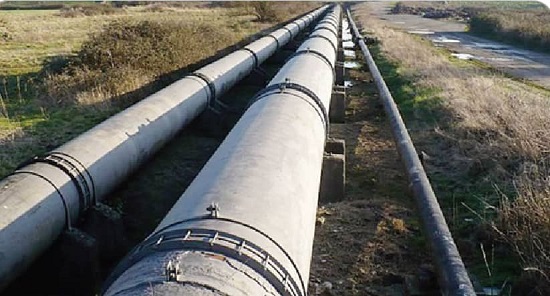
How Satellite-Based Leak Detection Works
Satellite monitoring for pipeline leaks relies on a combination of high-resolution imagery, remote sensing, and data analytics. Satellites equipped with optical, infrared, or radar sensors pass over pipeline corridors and capture images at regular intervals. Specialized algorithms then analyze these images to identify anomalies that may indicate a leak, such as changes in vegetation, soil moisture, or surface temperature.
Unlike ground-based sensors, satellites can cover thousands of kilometers in a single pass, making them ideal for monitoring remote or inaccessible regions. The technology is especially useful for detecting leaks in areas where traditional inspection methods are impractical or too costly.
Key Advantages of Satellite Monitoring for Pipelines
Adopting satellite pipeline leak detection brings several significant benefits:
- Wide-Area Coverage: Satellites can monitor extensive pipeline networks, including those crossing deserts, forests, or underwater environments.
- Rapid Response: Frequent satellite passes enable early detection and faster response to leaks, reducing environmental and financial impacts.
- Non-Intrusive: No need for physical access or installation of additional hardware along the pipeline route.
- Historical Analysis: Archived satellite data allows operators to review past events and identify patterns or recurring issues.
- Cost-Effective: Reduces the need for manual inspections and helicopter flyovers, especially in challenging terrains.
For operators interested in understanding how pressure changes can indicate leaks, the article on pipeline leak pressure drop provides valuable context on integrating satellite data with other monitoring techniques.

Technologies Behind Remote Leak Detection
Modern satellite leak detection systems use a mix of sensor technologies to maximize accuracy:
- Optical Imaging: Detects visible changes such as soil discoloration, vegetation stress, or surface pooling.
- Infrared (IR) Sensors: Identify temperature anomalies caused by escaping fluids or gases.
- Synthetic Aperture Radar (SAR): Penetrates clouds and darkness to detect changes in ground structure or moisture.
These sensors, combined with machine learning algorithms, can distinguish between natural variations and genuine leak indicators. The integration of satellite data with ground-based systems, such as pressure and flow sensors, enhances reliability and reduces false positives.
Applications Across Pipeline Types
Satellite pipeline leak detection is applicable to a wide range of pipeline types:
- Oil and Gas Pipelines: Early leak detection helps prevent spills, reduce clean-up costs, and protect sensitive environments.
- Water Pipelines: Identifies leaks in large municipal or agricultural systems, conserving water and reducing losses.
- Chemical Pipelines: Minimizes the risk of hazardous releases and regulatory penalties.
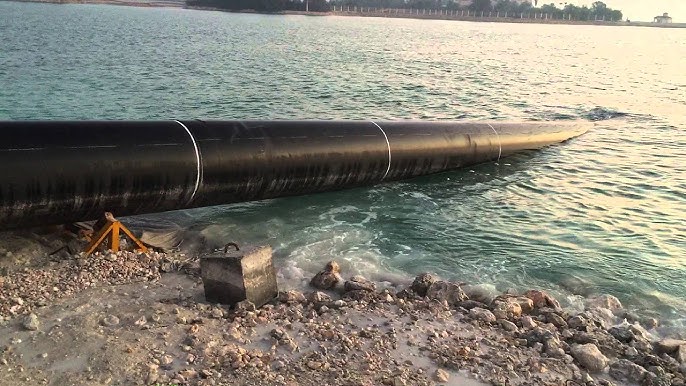
- Subsea Pipelines: Advanced radar and infrared imaging can detect leaks even in underwater environments, where traditional methods struggle.
Challenges and Limitations
While remote leak detection offers many advantages, there are some challenges to consider:
- Resolution Limits: Very small leaks may not be visible in satellite imagery, especially if they do not cause noticeable surface changes.
- Weather and Vegetation: Dense vegetation or cloud cover can obscure signs of leaks, though radar sensors help mitigate this issue.
- Data Interpretation: False positives can occur if natural events (like heavy rain or animal activity) mimic leak signatures. Combining satellite data with ground-based monitoring helps improve accuracy.
- Frequency of Coverage: The interval between satellite passes may delay detection in fast-developing situations, though newer satellite constellations are reducing these gaps.
To further enhance detection, operators often integrate satellite insights with other methods, such as pipeline leak flow rate changes and pipeline leak noise detection, creating a multi-layered defense against leaks.
Implementing Satellite Leak Monitoring: Best Practices
For organizations considering the adoption of satellite-based leak detection, the following best practices can help ensure success:
- Assess Pipeline Risk: Identify high-risk segments where remote monitoring will provide the most value.
- Integrate with Existing Systems: Combine satellite data with SCADA, pressure, and flow monitoring for a comprehensive view.
- Establish Response Protocols: Define clear procedures for investigating and responding to satellite-detected anomalies.
- Train Personnel: Ensure staff can interpret satellite data and distinguish between real leaks and false alarms.
- Review and Update: Regularly evaluate system performance and update detection algorithms as new data becomes available.
For more on early warning signs and proactive maintenance, consider reviewing common indicators that your pipeline needs leak sealing.
Environmental and Regulatory Impact
Early detection of leaks is not just a technical achievement—it is a regulatory and environmental imperative. Many jurisdictions now require pipeline operators to implement advanced leak detection systems to minimize the risk of spills and protect ecosystems. Satellite monitoring supports compliance by providing documented evidence of proactive surveillance and rapid response.
In sensitive areas, such as wetlands or protected habitats, the ability to detect leaks before they escalate can prevent irreversible damage and costly remediation. Satellite data also supports transparent reporting to regulators and the public, enhancing trust and accountability.
Future Trends in Remote Leak Detection
The field of satellite pipeline leak detection is evolving rapidly. Advances in sensor technology, higher-resolution imagery, and artificial intelligence are making detection faster and more reliable. The rise of commercial satellite constellations promises more frequent coverage and lower costs, making these solutions accessible to operators of all sizes.
Integration with Internet of Things (IoT) devices, smart valves, and automated response systems is also on the horizon, enabling real-time alerts and even remote shutdowns in the event of a detected leak. As these technologies mature, pipeline safety and environmental stewardship will continue to improve.
Frequently Asked Questions
How accurate are satellite-based leak detection systems?
Accuracy depends on the type of sensors used, the size of the leak, and environmental conditions. While large leaks are usually detected reliably, very small leaks may require additional ground-based verification. Combining satellite imagery with other monitoring methods increases overall detection accuracy.
Can satellite monitoring detect underwater pipeline leaks?
Yes, certain satellite sensors, such as synthetic aperture radar and thermal imaging, can identify anomalies associated with underwater leaks. These technologies are especially useful for monitoring subsea pipelines where direct inspection is challenging.
Is satellite leak detection cost-effective for small operators?
With the increasing availability of commercial satellite imagery and analytics services, costs have decreased significantly. Many providers offer scalable solutions, making satellite monitoring accessible for both large and small pipeline operators.
Conclusion
Remote monitoring using satellites is reshaping how pipeline operators approach leak detection. By providing wide-area coverage, rapid alerts, and integration with existing monitoring systems, these technologies offer a proactive approach to pipeline safety and environmental protection. As the industry continues to evolve, adopting satellite-based solutions will be key to meeting regulatory requirements, reducing risk, and ensuring the long-term integrity of critical infrastructure.
For further reading on related detection strategies, explore how odor detection as a sign of pipeline leaks can complement remote sensing and help build a comprehensive leak prevention program.