
Home Improvement for Water Efficiency: Smart Solutions
In an era where sustainability is more than just a buzzword, the concept of home improvement for water efficiency has gained remarkable traction. For tech professionals and enthusiasts, integrating smart technology with water-saving techniques not only promotes environmental responsibility but also offers a glimpse into the future of intelligent home management.
The journey of improving water efficiency at home begins with understanding the need for such measures. With climate change and water scarcity becoming pressing global issues, the importance of conserving water cannot be overstated. Incorporating smart solutions into our daily routines can make a significant difference in our water consumption patterns.

Understanding Smart Water Conservation
Smart water conservation involves the use of advanced technologies to monitor and reduce water usage. From smart faucets to innovative irrigation systems, these tools provide real-time data and control over water usage. For instance, smart irrigation systems can adjust watering schedules based on weather forecasts and soil moisture levels, ensuring that your plants receive the right amount of water without wastage.
Smart Faucets and Showerheads
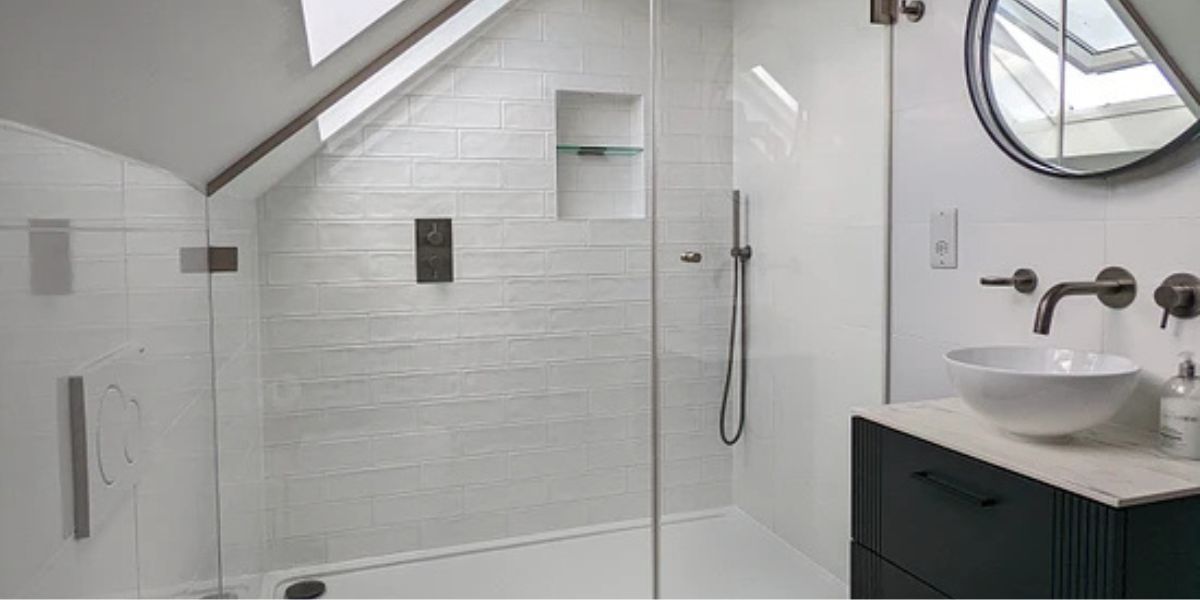
One of the simplest ways to enhance water efficiency is by installing smart faucets and showerheads. These devices often come with features like flow control and temperature regulation, which help in reducing water wastage. Moreover, they can be connected to smart home systems, allowing users to monitor water usage through smartphone apps.
Innovative Toilets: A Leap Towards Efficiency
Another significant area of home improvement for water efficiency is upgrading to water-efficient toilets. Dual-flush toilets, for instance, offer different flush settings for liquid and solid waste, significantly reducing water usage. To dive deeper into the benefits of water-efficient toilets, consider reading about urban home solutions and the comparison of dual-flush and traditional models.
For those interested in a step-by-step guide, websites like Wagner Mechanical offer detailed instructions on installing water-saving toilets, ensuring that even the most novice DIY enthusiasts can make this eco-friendly upgrade.
Smart Leak Detection Systems
Leak detection is an essential component of a water-efficient home. Unnoticed leaks can lead to substantial water wastage and inflated utility bills. Fortunately, modern leak detection systems can alert homeowners to leaks in real-time, allowing for prompt action. These systems are particularly beneficial for tech enthusiasts, as they can be integrated with other smart home technologies for seamless functionality.
For more information on leak detection, check out this guide on detecting leaks in water-saving toilets, which offers insights into maintaining water efficiency.
Smart Water Meters
Smart water meters provide detailed information on water usage, helping homeowners identify areas where they can reduce consumption. By offering insights into peak usage times and potential inefficiencies, these meters empower users to make informed decisions about their water use.
Rainwater Harvesting Systems
While not new, rainwater harvesting systems have evolved with technology. Modern systems can automatically filter and store rainwater for various domestic uses, from gardening to flushing toilets. This not only reduces dependency on municipal water supplies but also promotes sustainable living practices.
Professionals seeking to enhance their home's water efficiency might consider the benefits of integrating water-efficient toilets with rainwater systems, creating a holistic approach to water management.
Conclusion: The Tech Professional's Role in Water Efficiency
For tech professionals and enthusiasts, the intersection of technology and sustainability presents exciting opportunities. By embracing smart solutions for home improvement for water efficiency, individuals can lead the charge in promoting water conservation and environmental responsibility. Whether through smart faucets, innovative toilets, or advanced leak detection systems, the possibilities are vast and rewarding.
As we look to the future, the integration of technology in home water management will undoubtedly play a crucial role in addressing global water challenges. For those eager to make a difference, now is the time to explore these smart solutions and contribute to a more sustainable world.
FAQs
1. How do smart faucets help in water conservation?
Smart faucets help conserve water by offering features like flow control and temperature regulation. They can be programmed to dispense a specific amount of water, reducing wastage significantly.
2. What are the benefits of using a dual-flush toilet?
Dual-flush toilets offer two flushing options, allowing users to select a lower water volume for liquid waste and a higher volume for solid waste. This feature can lead to substantial water savings over time.
3. Can rainwater harvesting systems be integrated with smart home technology?
Yes, modern rainwater harvesting systems can be integrated with smart home technologies, allowing for automated filtration, storage, and usage of rainwater for various domestic purposes.
This article contains affiliate links. We may earn a commission at no extra cost to you.