
Emerging Pipeline Technologies
The landscape of pipeline infrastructure is rapidly changing as new solutions are developed to address efficiency, safety, and environmental concerns. Emerging pipeline technologies are reshaping how industries transport oil, gas, water, and other critical resources. These innovations are not only improving operational reliability but also helping companies meet stricter regulatory and sustainability standards.
From advanced sensors to robotics and smart valves, the latest developments are making pipeline systems more intelligent and resilient. As the sector evolves, understanding the most impactful advancements is essential for operators, engineers, and stakeholders. For those interested in calibration and monitoring, the pipeline sensor calibration process is a foundational aspect of maintaining system accuracy.
Key Trends in Modern Pipeline Solutions
The push for smarter, safer, and more sustainable infrastructure has led to a surge in innovative pipeline technologies. These trends are transforming both new construction and legacy systems:
- Digitalization: Real-time data collection and analytics are enabling predictive maintenance and faster response to anomalies.
- Automation: Automated valves, pumps, and monitoring systems reduce human error and improve operational efficiency.
- Remote Inspection: Drones and robotics allow for non-invasive inspections, minimizing downtime and risk to personnel.
- Environmental Monitoring: Advanced leak detection and emissions tracking help operators comply with environmental regulations.
These trends are supported by a range of new tools and approaches, many of which are already being deployed in the field.
Advanced Leak Detection and Monitoring
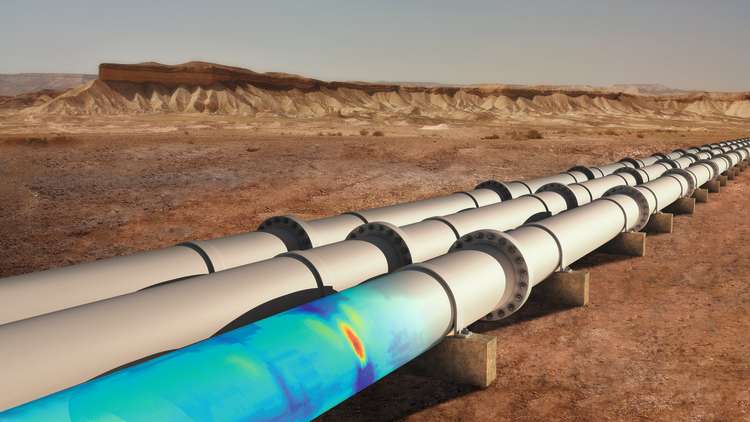
One of the most critical areas for emerging pipeline technologies is leak detection. Traditional methods often rely on pressure drops or manual inspection, which can be slow and imprecise. Modern systems use a combination of sensors, machine learning, and remote data transmission to identify leaks quickly and accurately.
For example, fiber optic cables embedded along pipelines can detect temperature changes and vibrations, signaling even minor leaks. Acoustic sensors and smart algorithms further enhance detection capabilities. According to a recent study on pipeline leak detection and localization, integrating multiple sensor types significantly improves both detection speed and accuracy.
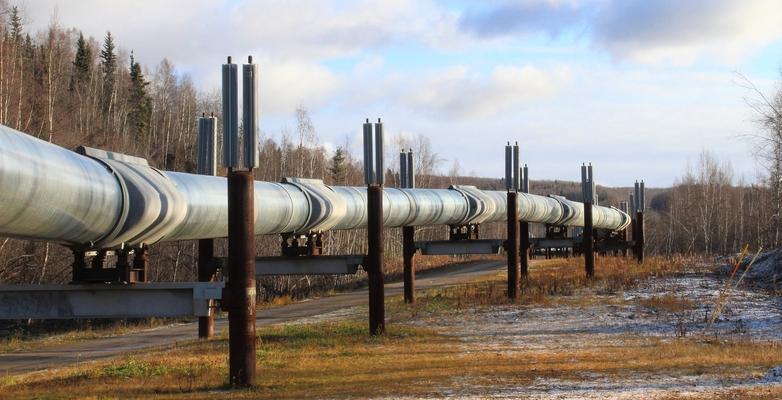
These monitoring systems are often integrated with automated shutdown mechanisms, which can isolate affected sections within seconds of a detected leak. This not only minimizes environmental impact but also reduces financial losses and reputational risk.
Robotics and Smart Pigging for Inspection
Internal inspection of pipelines has traditionally been a challenging and labor-intensive process. The introduction of robotics and smart pigging has revolutionized this aspect of pipeline management. Smart pigs are robotic devices that travel through pipelines, using ultrasonic, magnetic, or electromagnetic sensors to detect corrosion, cracks, and other anomalies.
These tools provide high-resolution data on pipeline integrity, allowing for targeted maintenance and repairs. For a deeper dive into these inspection methods, see the guide on pipeline smart pigging and the article on pipeline robotics inspections.
In addition to smart pigs, remotely operated vehicles (ROVs) and drones are increasingly used for external inspections, especially in hard-to-reach or hazardous locations. These robotic solutions reduce the need for manual entry and can operate in extreme conditions, further enhancing safety and efficiency.
Smart Valves and Automated Control Systems
The integration of smart valves and automated control systems is another major advancement in pipeline technology. These systems use real-time data to adjust flow rates, pressure, and other parameters automatically. This not only optimizes performance but also helps prevent incidents before they escalate.
Smart valves can be remotely operated and are often linked to advanced monitoring platforms. When combined with predictive analytics, they enable proactive maintenance and rapid response to changing conditions. For those interested in aerial monitoring, the article on pipeline aerial inspections provides further insights into how these technologies complement ground-based automation.
Environmental and Regulatory Impacts
As environmental regulations become more stringent, pipeline operators are under increasing pressure to minimize leaks, emissions, and other risks. Emerging pipeline technologies are playing a vital role in helping companies meet these requirements. Enhanced leak detection, emissions monitoring, and automated reporting tools are now standard components of modern pipeline systems.
These advancements not only help avoid costly fines and shutdowns but also demonstrate a commitment to sustainability. By adopting the latest solutions, operators can reduce their environmental footprint and build trust with regulators and the public.
Future Directions and Challenges
While the benefits of new pipeline solutions are clear, there are still challenges to widespread adoption. Integration with legacy infrastructure, cybersecurity concerns, and the need for skilled personnel are ongoing issues. However, as digitalization and automation continue to advance, the industry is likely to see even greater improvements in safety, efficiency, and environmental stewardship.
For those interested in inline inspection, the resource on pipeline inline inspection offers a detailed look at current best practices and future possibilities.
Frequently Asked Questions
What Are the Main Benefits of Using Advanced Pipeline Technologies?
The primary advantages include improved leak detection, enhanced operational efficiency, reduced environmental impact, and better compliance with regulations. Automation and real-time monitoring also contribute to faster response times and lower maintenance costs.
How Do Smart Valves Improve Pipeline Safety?
Smart valves monitor flow and pressure in real time, allowing for automatic adjustments and rapid shutdowns in case of anomalies. This minimizes the risk of leaks, ruptures, and other incidents, protecting both the environment and the pipeline infrastructure.
Are Robotics and Drones Widely Used for Pipeline Inspection?
Yes, robotics and drones are increasingly common in both internal and external pipeline inspections. They provide detailed data, reduce the need for manual entry, and can operate in hazardous or remote environments, making inspections safer and more efficient.