
Pipeline Anomaly Detection Techniques
Pipeline anomaly detection is a critical aspect of maintaining the safety, reliability, and efficiency of modern energy and utility infrastructure. As pipelines transport oil, gas, water, and other essential resources over vast distances, the risk of leaks, corrosion, and other irregularities can have severe environmental, economic, and safety consequences. Effective strategies for identifying and responding to unusual events or faults within these systems are essential for operators, regulators, and the communities they serve.
This article explores the main categories of anomaly detection methods used in pipeline monitoring, the technologies driving advancements in this field, and practical considerations for implementation. For those interested in real-world examples of leak events and their resolution, the pipeline leak case studies provide valuable insights into lessons learned and best practices.
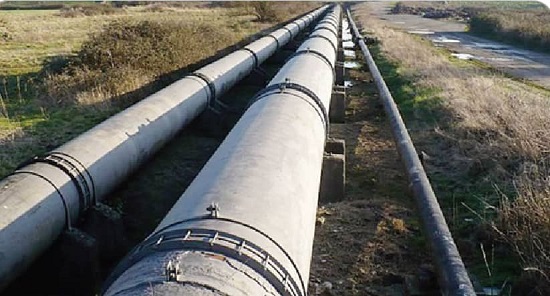
Understanding Anomalies in Pipeline Systems
Anomalies in pipeline systems refer to any deviation from normal operating conditions. These can include leaks, ruptures, corrosion, illegal tapping, mechanical damage, or unexpected changes in flow or pressure. Early identification of such issues is vital to prevent product loss, environmental harm, and costly repairs. The challenge lies in distinguishing genuine threats from harmless fluctuations, which is where advanced detection techniques come into play.
Categories of Pipeline Monitoring Approaches
There are several approaches to monitoring and identifying irregularities in pipelines. These methods can be broadly grouped into physical inspection, hardware-based sensing, and data-driven analytics.
Physical Inspection and Manual Methods
Traditional inspection involves periodic visual checks, ultrasonic testing, and other manual techniques. While these methods can be effective for detecting visible signs of damage or wear, they are labor-intensive and may miss subtle or rapidly developing issues. As a result, they are often supplemented with more continuous and automated solutions.
Sensor-Based and Hardware Solutions
Modern pipelines are equipped with a range of sensors that monitor parameters such as pressure, temperature, flow rate, and vibration. These sensors can detect sudden changes that may indicate leaks or blockages. Technologies like fiber optic cables, acoustic sensors, and smart pigging devices provide continuous data and can pinpoint the location of anomalies with increasing accuracy.

Smart valves and automated actuators are increasingly integrated into pipeline networks, enabling rapid response to detected anomalies. These devices can isolate affected sections, reducing the risk of escalation and minimizing downtime. For more on the latest innovations in this area, see the overview of advanced pipeline monitoring solutions.
Data-Driven and Algorithmic Detection Techniques
With the proliferation of sensors and the growth of the Industrial Internet of Things (IIoT), vast amounts of data are generated by pipeline systems. Advanced analytics and machine learning algorithms are now used to process this data and identify patterns that may signal emerging issues.
Statistical and Rule-Based Methods
Early data-driven approaches relied on statistical thresholds and rule-based logic. For example, if pressure drops below a certain level or flow rates deviate from expected norms, an alert is triggered. While straightforward, these methods can produce false positives in complex environments where normal operating ranges vary.
Machine Learning and AI-Driven Solutions
Recent advances leverage machine learning models trained on historical data to recognize subtle and complex patterns that may precede failures. These systems can adapt to changing conditions, improve over time, and reduce the number of unnecessary alarms. Techniques such as anomaly score calculation, clustering, and predictive modeling are increasingly common in modern pipeline monitoring platforms.
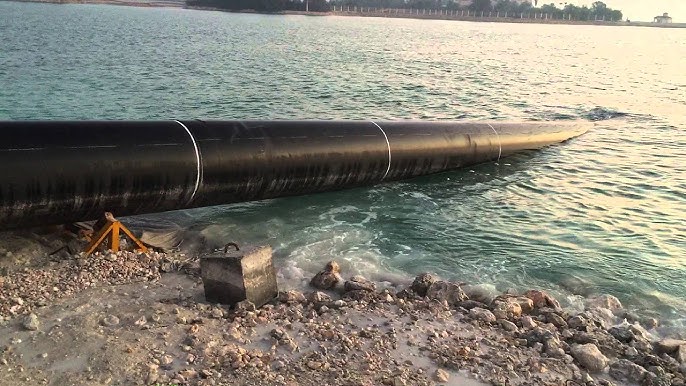
For pipelines operating in challenging environments, such as underwater or remote locations, the combination of robust hardware and intelligent analytics is essential. The article on pipeline monitoring trends discusses how these technologies are shaping the future of infrastructure management.
Challenges and Considerations in Anomaly Detection
Implementing effective detection strategies involves several challenges:
- Data Quality: Inaccurate or incomplete sensor data can lead to missed anomalies or false alarms.
- Integration: Combining data from different sources and legacy systems requires careful planning and robust interfaces.
- Scalability: Large pipeline networks generate significant data volumes, demanding scalable analytics solutions.
- Response Time: Rapid detection must be matched by swift action to minimize the impact of incidents.
Operators must balance sensitivity (detecting all true anomalies) with specificity (avoiding unnecessary shutdowns). Regular calibration, testing, and updates to both hardware and software components are vital for maintaining system effectiveness.
Emerging Trends and Future Directions
The field of pipeline anomaly detection continues to evolve with advancements in sensing technology, data analytics, and automation. Some notable trends include:
- Edge Computing: Processing data closer to the source reduces latency and enables faster decision-making.
- Cloud Integration: Centralized platforms allow for remote monitoring, historical analysis, and coordinated response across multiple sites.
- Predictive Maintenance: Leveraging AI to forecast potential failures before they occur, optimizing maintenance schedules and reducing costs.
- Cybersecurity: As pipelines become more connected, protecting detection systems from cyber threats is increasingly important.
For a deeper dive into the latest research and breakthroughs, the pipeline leak detection research page offers updates on new methodologies and field trials.
Best Practices for Implementing Detection Systems
To maximize the effectiveness of anomaly monitoring in pipelines, consider the following best practices:
- Conduct a thorough risk assessment to identify critical points and potential failure modes.
- Deploy a combination of sensor types to capture a comprehensive view of system health.
- Integrate detection systems with automated response mechanisms, such as smart valves and remote shutoff controls.
- Regularly review and update detection algorithms to adapt to changing operational conditions.
- Train personnel on interpreting alerts and responding to incidents efficiently.
For further guidance, the article on pipeline best practices for safety provides actionable recommendations for operators and engineers.
Signs and Indicators of Pipeline Issues
Recognizing early warning signs is crucial for timely intervention. Common indicators include unexplained drops in pressure, abnormal flow rates, unexpected noises, and changes in temperature along the pipeline. For a detailed overview of what to watch for, see this guide to signs that your pipeline needs leak sealing.
Frequently Asked Questions
What are the most common types of anomalies detected in pipelines?
The most frequently identified issues include leaks, corrosion, blockages, illegal tapping, and mechanical damage. Early detection of these problems helps prevent environmental harm and costly repairs.
How do machine learning algorithms improve pipeline monitoring?
Machine learning models analyze large datasets from sensors to identify subtle patterns and predict potential failures. They adapt to changing conditions and reduce false alarms, making detection systems more reliable and efficient.
Can anomaly detection systems be retrofitted to existing pipelines?
Yes, many modern detection technologies can be integrated with legacy infrastructure. This may involve adding new sensors, upgrading data transmission systems, and implementing software platforms capable of processing and analyzing the collected data.
How often should pipeline detection systems be tested or calibrated?
Regular testing and calibration are essential to maintain accuracy. The frequency depends on the specific technology and operating environment but should be part of a routine maintenance schedule.
Pipeline anomaly detection is an evolving field that combines hardware, software, and human expertise to safeguard critical infrastructure. By staying informed about the latest techniques and best practices, operators can enhance safety, reduce risk, and ensure the reliable delivery of vital resources.