

Pipeline Best Practices for Safety
Ensuring the safety and reliability of pipeline systems is a top priority for industries that transport oil, gas, water, and other critical resources. Following pipeline best practices not only protects the environment and communities but also minimizes operational risks and costly incidents. This article explores essential strategies, technologies, and standards that support safe pipeline operations, drawing on industry experience and regulatory guidance.
Effective safety management in pipeline operations involves a combination of proactive maintenance, advanced monitoring, compliance with regulations, and a culture of continuous improvement. By understanding and implementing proven methods, operators can significantly reduce the likelihood of leaks, ruptures, and other hazards.
For those interested in a deeper dive into regulatory frameworks and technical recommendations, the pipeline inspection guidelines provide a comprehensive overview of inspection protocols and compliance essentials.
Key Elements of Safe Pipeline Operation
Adopting a systematic approach to pipeline safety requires attention to several core areas. The following components are fundamental to maintaining integrity and minimizing risk:
- Regular Inspection and Maintenance: Scheduled inspections help identify early signs of corrosion, mechanical damage, or operational anomalies. Techniques such as inline inspection (ILI), hydrostatic testing, and visual surveys are widely used.
- Leak Detection Systems: Advanced leak detection technologies, including acoustic sensors, pressure monitoring, and fiber optic cables, enable rapid identification and response to leaks. For more technical insight, see this overview of pipeline leak detection methods.
- Corrosion Control: Implementing cathodic protection, coatings, and chemical inhibitors helps prevent internal and external corrosion, extending pipeline lifespan and reducing failure risks.
- Emergency Response Planning: Well-defined emergency procedures, regular drills, and clear communication channels ensure quick action in the event of an incident.
- Compliance with Standards: Adhering to industry standards and regulations, such as those outlined in pipeline compliance standards, is essential for legal and operational safety.
Monitoring Technologies and Automation
Modern pipeline systems increasingly rely on automation and real-time monitoring to enhance safety. Supervisory Control and Data Acquisition (SCADA) systems, remote sensors, and smart valves provide operators with up-to-date information on flow rates, pressure, and temperature. These technologies enable predictive maintenance and faster incident response, reducing downtime and environmental impact.

Automated shutoff valves and pressure relief systems are particularly valuable in high-risk areas. These devices can isolate sections of the pipeline quickly if abnormal conditions are detected, preventing escalation of leaks or ruptures. Integrating such automation with robust data analytics further supports predictive maintenance and operational efficiency.
Risk Assessment and Hazard Mitigation
Comprehensive risk assessment is a cornerstone of pipeline best practices. Operators must evaluate potential threats, such as third-party interference, natural disasters, and equipment failure, and implement mitigation strategies accordingly. This process typically includes:
- Identifying high-consequence areas (HCAs) where a failure would have significant impact.
- Assessing the likelihood and severity of various hazards.
- Developing risk matrices and prioritizing mitigation actions.
- Implementing physical barriers, signage, and surveillance in vulnerable locations.
Regularly updating risk assessments ensures that new threats are addressed promptly. Collaboration with local authorities, emergency responders, and the public also strengthens overall safety and preparedness.
For further reading on operational safeguards, the article on pipeline operational safety details practical steps for minimizing risks during daily operations.
Regulatory Compliance and Industry Standards
Meeting regulatory requirements is non-negotiable in pipeline management. Agencies and industry bodies set strict standards for design, construction, operation, and decommissioning. Key areas of compliance include:
- Adhering to codes such as ASME, API, and ISO for design and materials.
- Maintaining accurate records of inspections, repairs, and modifications.
- Implementing operator qualification programs and ongoing training.
- Reporting incidents and near-misses in accordance with legal mandates.
Staying informed about evolving regulations is crucial. The resource on pipeline regulations offers clarity on legal obligations and recent changes affecting the industry.
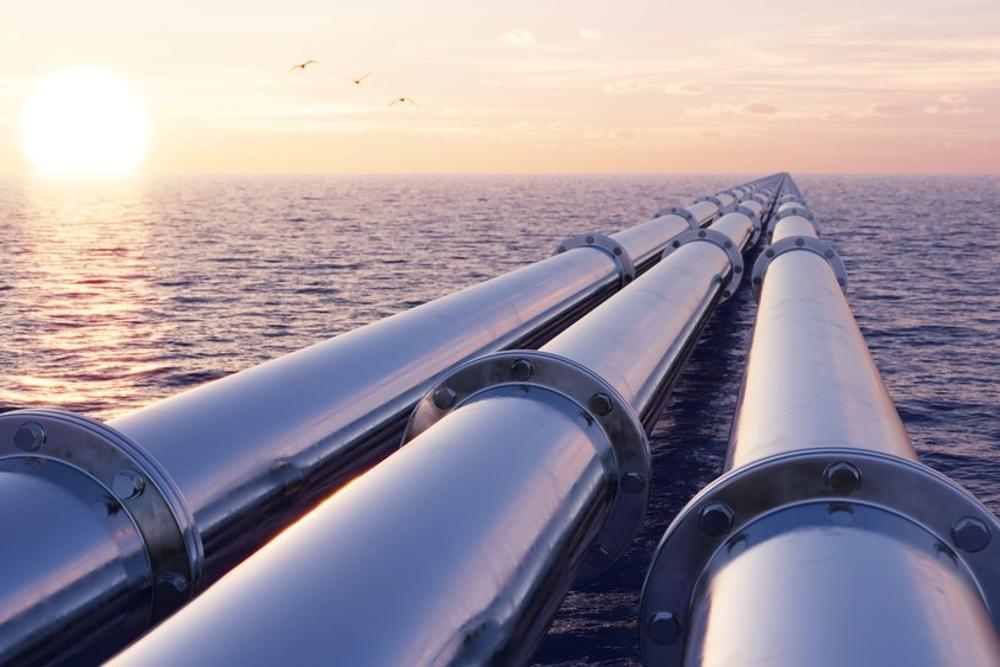
Adopting recognized standards not only ensures compliance but also demonstrates a commitment to operational excellence and stakeholder trust.
Building a Culture of Safety
Technical measures alone are not enough to guarantee safe pipeline operations. A strong safety culture—where every employee is engaged and accountable—plays a vital role. Key elements include:
- Leadership commitment to safety at all organizational levels.
- Open communication channels for reporting hazards and near-misses.
- Regular training, drills, and competency assessments.
- Encouraging proactive identification and resolution of safety issues.
Continuous improvement, supported by feedback loops and lessons learned from incidents, helps organizations adapt to new challenges and maintain high safety standards.
For additional guidance on safety codes and their practical application, refer to the pipeline safety codes resource.
Frequently Asked Questions
What are the most important steps for preventing pipeline leaks?
The most effective methods include regular inspections, advanced leak detection systems, corrosion prevention, and immediate response protocols. Combining these approaches greatly reduces the risk of leaks and environmental harm.
How do regulations impact pipeline safety?
Regulations set minimum safety standards for design, operation, and maintenance. Compliance ensures that operators follow best practices, report incidents, and maintain documentation, all of which contribute to safer pipelines.
Why is a safety culture critical in pipeline operations?
A strong safety culture ensures that all personnel are vigilant, trained, and empowered to act on potential hazards. This leads to early detection of issues, better communication, and a proactive approach to risk management.