
Pipeline Inspection Guidelines
Maintaining the integrity and safety of pipelines is a top priority for industries that rely on transporting oil, gas, water, or chemicals. Adhering to pipeline inspection guidelines helps operators detect issues early, prevent leaks, and comply with regulatory standards. This article covers essential practices for effective pipeline assessments, including inspection methods, scheduling, documentation, and response strategies.
A robust inspection program not only minimizes environmental risks but also extends asset life and reduces costly downtime. Operators must stay informed about evolving standards and technologies to ensure their inspection routines remain effective. For those interested in optimizing their monitoring efforts, exploring pipeline performance monitoring can provide valuable insights into system health and efficiency.
Why Regular Pipeline Assessments Matter
Routine checks are fundamental to pipeline safety and reliability. By following established pipeline inspection guidelines, operators can identify corrosion, structural weaknesses, and early signs of leaks. These proactive measures help avoid major incidents that could harm the environment, disrupt supply, or result in regulatory penalties.
Inspection routines also support compliance with industry regulations and standards. Regulatory bodies often require documentation of inspection schedules, findings, and corrective actions. Consistent adherence to these protocols demonstrates a commitment to safety and can simplify audits or insurance claims.
Types of Pipeline Inspections
There are several methods for assessing pipeline condition, each suited to different scenarios and pipeline types. Understanding these techniques is key to building a comprehensive inspection program.
- Visual Inspections: Performed by trained personnel walking or flying over the pipeline route, looking for signs of damage, leaks, or encroachment.
- In-line Inspection (ILI): Uses smart pigs or robotic devices to travel inside the pipeline, collecting data on wall thickness, corrosion, and deformation.
- Hydrostatic Testing: Involves filling the pipeline with water and pressurizing it to check for leaks or weaknesses.
- Ultrasonic and Radiographic Testing: Non-destructive methods that detect flaws or thinning in pipeline walls.
- Remote Sensing and Monitoring: Employs drones, satellites, or sensors to detect temperature changes, ground movement, or leaks.
Selecting the right combination of inspection methods depends on the pipeline's age, material, environment, and regulatory requirements.
Key Elements of Effective Inspection Protocols
A successful inspection strategy is built on several core principles. These elements ensure that assessments are thorough, repeatable, and actionable.
Inspection Frequency and Scheduling
Determining how often to inspect a pipeline depends on factors such as age, material, operating conditions, and past incident history. Many operators refer to recommended inspection frequency guides to establish a baseline, then adjust based on risk assessments and regulatory mandates.
Documentation and Record-Keeping
Accurate records are essential for compliance and future reference. Inspection reports should include:
- Date and time of inspection
- Personnel involved
- Inspection methods used
- Findings and anomalies
- Recommended corrective actions
Digital record-keeping systems can streamline data management and make it easier to track trends over time.
Response and Remediation
When inspections reveal issues, prompt action is critical. Operators should have clear procedures for evaluating risks, prioritizing repairs, and documenting remediation efforts. This approach minimizes downtime and demonstrates a proactive safety culture.
Common Issues Detected During Pipeline Checks
Routine assessments often uncover a range of problems, from minor wear to serious threats. Some of the most frequent findings include:
- Corrosion: Both internal and external corrosion can weaken pipeline walls and lead to leaks.
- Mechanical Damage: Dents, gouges, or cracks caused by third-party activity or ground movement.
- Coating Failures: Protective coatings may degrade over time, exposing metal to moisture and accelerating corrosion.
- Leaks: Small leaks can be difficult to detect but may signal larger underlying issues. For more on recognizing leak indicators, see this guide to pipeline leak warning signs.
- Encroachment: Unauthorized construction or vegetation near pipelines can pose safety risks.
Early detection of these issues allows for targeted maintenance and helps prevent more severe failures.
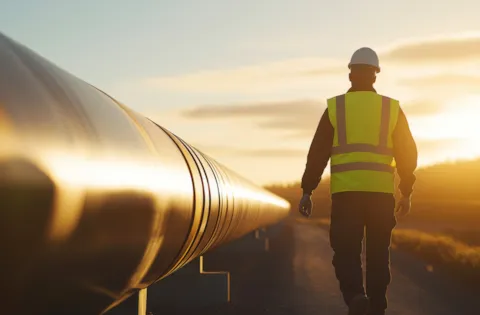
Integrating Technology in Pipeline Assessment
Advancements in technology have transformed how operators approach pipeline integrity management. Modern tools and digital platforms offer new ways to enhance traditional inspection routines.
- Smart Sensors: Real-time monitoring devices can detect pressure changes, temperature fluctuations, and flow anomalies, providing early warnings of potential issues.
- Drones and Robotics: Unmanned aerial vehicles and robotic crawlers can access hard-to-reach areas, capture high-resolution images, and perform detailed scans.
- Data Analytics: Advanced software can analyze inspection data to identify trends, predict failures, and optimize maintenance schedules.
Leveraging these innovations not only improves accuracy but also reduces inspection costs and enhances safety for personnel.
Best Practices for Pipeline Integrity and Maintenance
A holistic approach to pipeline management goes beyond inspections. Operators should consider:
- Preventive Maintenance: Addressing small issues before they escalate can save time and money. For strategic planning, review pipeline maintenance planning resources.
- Asset Management: Keeping a detailed inventory of pipeline assets, including age, material, and maintenance history, supports better decision-making. Explore pipeline asset management best practices for more insights.
- Cost Management: Understanding the pipeline leak detection cost helps operators allocate resources efficiently and justify investments in new technologies.
Combining these practices with regular inspections creates a resilient pipeline system that meets both operational and regulatory demands.
Frequently Asked Questions
What are the most important steps in a pipeline inspection?
The key steps include planning the inspection based on risk and regulatory requirements, selecting appropriate assessment methods, conducting thorough checks, documenting all findings, and implementing corrective actions as needed.
How often should pipelines be inspected?
Inspection frequency varies depending on pipeline type, age, and environmental factors. Operators should consult industry standards and adjust schedules based on risk assessments and operational experience. For more details, see recommended inspection frequency.
What technologies are improving pipeline inspections today?
Innovations such as smart sensors, drones, robotic crawlers, and advanced data analytics are making inspections more accurate, efficient, and safer for personnel.
Following robust pipeline inspection guidelines is essential for ensuring safety, reliability, and compliance. By combining proven methods with emerging technologies and best practices, operators can protect their infrastructure and the environment while optimizing operational costs.