
Pipeline Asset Management Best Practices
Effective pipeline asset management is essential for ensuring the safety, reliability, and longevity of critical infrastructure. As pipelines age and regulatory requirements become more stringent, organizations must adopt a proactive approach to monitoring, maintaining, and optimizing their assets. This guide outlines proven strategies for managing pipeline networks, minimizing risks, and maximizing operational efficiency.
From advanced leak detection to regular inspections and digital monitoring, the right combination of technology and process can help operators avoid costly failures. By following industry best practices, companies can reduce downtime, improve compliance, and extend the service life of their pipeline systems.
A key aspect of robust asset management is understanding the challenges unique to pipeline systems. For example, operators must address issues such as pipeline leak false alarms, which can lead to unnecessary shutdowns and increased operational costs. By leveraging modern monitoring solutions and refining incident response procedures, organizations can better distinguish between real threats and false positives.
Building a Strong Pipeline Asset Management Program
Establishing a comprehensive program for managing pipeline assets involves several core components. These include asset inventory, risk assessment, maintenance planning, and performance monitoring. Each element plays a vital role in supporting safe and efficient operations.
- Asset Inventory: Maintain an up-to-date record of all pipeline segments, valves, pumps, and related infrastructure. Accurate data enables informed decision-making and streamlines maintenance activities.
- Risk Assessment: Evaluate the likelihood and potential impact of failures, leaks, or external threats. Use risk models to prioritize inspection and maintenance resources.
- Maintenance Planning: Develop schedules for routine inspections, cleaning, and repairs. Predictive maintenance, powered by sensor data and analytics, can further optimize resource allocation.
- Performance Monitoring: Continuously track key performance indicators (KPIs) such as flow rates, pressure, and temperature. Early detection of anomalies helps prevent incidents and supports regulatory compliance.
Technologies Enhancing Pipeline Integrity
Modern pipeline asset management relies on a suite of technologies to ensure system integrity. These tools not only improve detection and response times but also provide valuable insights for long-term planning.
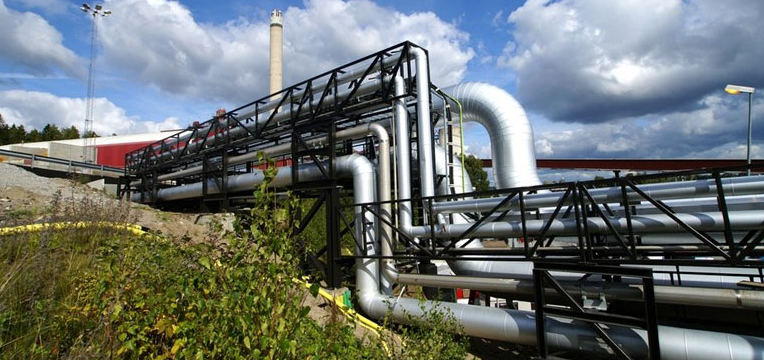
- Leak Detection Systems: Advanced leak detection technologies, such as acoustic sensors and real-time data analytics, enable rapid identification of leaks and reduce environmental impact. For a detailed overview, see this comprehensive guide to pipeline leak detection systems.
- SCADA and Remote Monitoring: Supervisory Control and Data Acquisition (SCADA) systems allow operators to monitor pipeline conditions remotely, improving response times and reducing the need for manual inspections.
- Smart Valves and Actuators: Automated valves can isolate sections of the pipeline in the event of a leak or pressure anomaly, minimizing product loss and safety risks.
- GIS Mapping: Geographic Information Systems (GIS) provide spatial visualization of pipeline networks, supporting asset tracking and emergency planning.
Integrating these technologies into a unified platform streamlines operations and enhances situational awareness for pipeline operators.
Inspection and Maintenance Strategies for Longevity
Regular inspection and maintenance are fundamental to effective asset management. A proactive approach helps identify potential issues before they escalate into major failures.
- Routine Inspections: Schedule visual inspections, ultrasonic testing, and inline inspections (using smart pigs) to detect corrosion, cracks, or other defects.
- Predictive Maintenance: Use sensor data and machine learning algorithms to predict when components are likely to fail, allowing for timely interventions.
- Corrosion Control: Implement cathodic protection and apply protective coatings to minimize the risk of corrosion-related failures.
- Valve and Pump Maintenance: Regularly service valves and pumps to ensure reliable operation and prevent unplanned shutdowns.
For more on identifying and addressing issues, explore resources on pipeline fault detection and the challenges of leak detection in complex networks.
Incident Reporting and Regulatory Compliance
Timely and accurate incident reporting is a cornerstone of responsible pipeline operations. Operators must have clear procedures for documenting and responding to leaks, spills, or equipment failures.
- Incident Response Plans: Develop and regularly update response protocols to address various types of incidents, from minor leaks to major ruptures.
- Regulatory Reporting: Stay informed about local, national, and international regulations governing pipeline safety and environmental protection. Maintain detailed records to demonstrate compliance.
- Continuous Improvement: Analyze incident data to identify trends and implement corrective actions, reducing the likelihood of future events.
For guidance on documentation and compliance, refer to established pipeline incident reporting procedures and best practices.
Optimizing Performance with Data-Driven Insights
Data analytics plays a growing role in optimizing pipeline asset management. By collecting and analyzing operational data, organizations can make more informed decisions and drive continuous improvement.
- Performance Benchmarking: Compare asset performance against industry standards to identify areas for improvement.
- Condition-Based Monitoring: Use real-time data to trigger maintenance activities based on actual asset condition rather than fixed schedules.
- Failure Analysis: Investigate the root causes of failures to prevent recurrence and enhance system resilience.
Understanding the accuracy of leak detection solutions is also crucial for optimizing monitoring strategies and resource allocation.
Frequently Asked Questions
What are the key benefits of proactive pipeline asset management?
A proactive approach helps reduce unplanned downtime, lowers maintenance costs, enhances safety, and ensures regulatory compliance. By addressing issues early, operators can extend the lifespan of their assets and avoid costly repairs or environmental incidents.
How do smart valves contribute to pipeline safety?
Smart valves enable rapid isolation of pipeline sections in response to leaks or pressure anomalies. This minimizes product loss, reduces environmental impact, and improves overall system safety by allowing operators to respond quickly to emergencies.
What role does data analytics play in managing pipeline assets?
Data analytics supports condition-based monitoring, predictive maintenance, and performance benchmarking. By leveraging operational data, organizations can identify trends, optimize maintenance schedules, and make informed decisions that improve asset reliability and efficiency.