
Pipeline Data Logging Systems
Pipeline data logging plays a crucial role in the safe and efficient operation of modern pipeline infrastructure. As the demand for energy and resources grows, so does the need for reliable systems that can monitor, record, and analyze data from pipelines in real time. These systems help operators detect anomalies, prevent leaks, and ensure compliance with regulatory standards.
With advancements in digital technology, data logging solutions have become more sophisticated, offering features such as remote monitoring, automated alerts, and integration with other industrial systems. For organizations looking to enhance their pipeline management, understanding the fundamentals and benefits of these systems is essential.
For those interested in broader monitoring technologies, our overview of pipeline system monitoring provides additional context on how digital solutions are transforming the industry.
Understanding Pipeline Data Logging and Its Importance
At its core, pipeline data logging refers to the automated collection and storage of operational data from pipelines. This data can include pressure, flow rate, temperature, vibration, and other parameters vital to the safe transport of fluids or gases. Logging this information allows operators to:
- Monitor system health: Continuous data collection helps identify irregularities before they escalate into critical failures.
- Ensure regulatory compliance: Many jurisdictions require detailed records of pipeline operations for safety and environmental reasons.
- Optimize performance: Analyzing historical and real-time data enables better decision-making and resource allocation.
- Support predictive maintenance: Early detection of trends or anomalies can reduce downtime and maintenance costs.
For organizations seeking to leverage the latest in monitoring, iot pipeline monitoring solutions offer advanced analytics and connectivity, further enhancing the value of data logging.
Key Components of Modern Data Logging Solutions
A robust pipeline data recording system typically consists of several integrated components:
- Sensors and Transducers: Devices that capture real-time data on various pipeline parameters.
- Data Loggers: Electronic units that collect, timestamp, and store sensor data locally or transmit it to a central database.
- Communication Networks: Wired or wireless infrastructure enabling data transfer from remote sites to control centers.
- Centralized Software Platforms: Applications that aggregate, visualize, and analyze incoming data for actionable insights.
- Cloud Integration: Many solutions now leverage cloud storage and processing for scalability and remote access.
The integration of these elements ensures that operators have a comprehensive, real-time view of pipeline conditions, which is essential for both safety and efficiency.

Benefits of Implementing Data Logging in Pipeline Operations
Deploying a comprehensive data logging infrastructure provides several tangible benefits for pipeline operators:
- Enhanced Safety: Early detection of leaks or pressure drops can prevent accidents and environmental damage.
- Operational Efficiency: Automated data collection reduces manual labor and minimizes human error.
- Regulatory Readiness: Detailed logs simplify compliance audits and reporting requirements.
- Cost Savings: Predictive maintenance and optimized scheduling lower repair and operational costs.
- Data-Driven Decision Making: Access to reliable historical data supports strategic planning and investment.
For a deeper dive into advanced monitoring, our article on real time pipeline monitoring explores how immediate data access is transforming pipeline management.
Applications Across Different Pipeline Industries
Pipeline data logging systems are utilized in a variety of sectors, each with specific requirements:
- Oil and Gas: Monitoring flow rates, pressure, and temperature to ensure safe and efficient transport of hydrocarbons.
- Water Utilities: Tracking water quality, pressure, and leak detection to maintain service reliability.
- Chemical Processing: Ensuring safe handling of hazardous materials through continuous parameter monitoring.
- District Heating: Managing thermal energy distribution by logging temperature and flow data.
Each industry benefits from tailored data logging strategies that address unique operational and regulatory challenges.
Challenges in Deploying and Maintaining Data Logging Systems
While the advantages are clear, implementing and maintaining effective data logging solutions can present challenges:
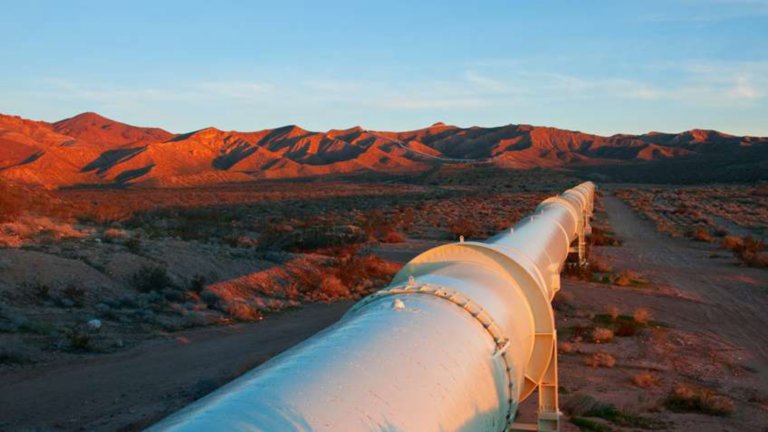
- Remote Locations: Pipelines often traverse difficult terrain, complicating sensor installation and data transmission.
- Data Security: Protecting sensitive operational data from cyber threats is a growing concern.
- System Integration: Ensuring compatibility with legacy equipment and other monitoring platforms can require custom solutions.
- Maintenance: Sensors and loggers must be regularly calibrated and serviced to maintain accuracy.
Emerging technologies, such as ai pipeline leak detection, are helping to address some of these challenges by automating anomaly detection and reducing the need for manual intervention.
Best Practices for Effective Pipeline Data Management
To maximize the value of data logging, operators should follow a set of best practices:
- Regular Calibration: Ensure all sensors and loggers are calibrated to maintain data accuracy.
- Data Validation: Implement automated checks to detect and correct anomalies or missing data.
- Secure Communication: Use encrypted channels and robust authentication to protect data in transit.
- Comprehensive Training: Equip staff with the knowledge to interpret data and respond to alerts effectively.
- Continuous Improvement: Regularly review and update systems to incorporate new technologies and address evolving risks.
For more on the latest advancements, see our coverage of pipeline monitoring technologies and how they integrate with data logging platforms.
Integrating Data Logging with Advanced Monitoring Solutions
Today's pipeline operators are increasingly integrating data logging with advanced monitoring and automation systems. By combining real-time data collection with analytics, machine learning, and remote control capabilities, organizations can achieve:
- Faster Incident Response: Automated alerts and remote shutdown capabilities reduce reaction times in emergencies.
- Predictive Analytics: Machine learning models can forecast equipment failures or leaks before they occur.
- Centralized Oversight: Unified dashboards provide a holistic view of pipeline networks, supporting better decision-making.
For a practical example of how these integrations work, visit this overview of pipeline monitoring and automation solutions to see how industry leaders are leveraging technology for safer, smarter operations.
FAQ
What types of data are typically logged in pipeline systems?
Commonly logged data includes pressure, flow rate, temperature, vibration, and sometimes chemical composition. This information helps operators monitor system health, detect leaks, and ensure compliance with safety standards.
How does data logging improve pipeline safety?
By continuously monitoring key parameters, data logging enables early detection of anomalies such as pressure drops or unusual flow patterns. This allows operators to respond quickly, preventing accidents and minimizing environmental impact.
Are data logging systems compatible with older pipeline infrastructure?
Many modern data logging solutions are designed to integrate with legacy equipment. However, some customization or additional hardware may be required to ensure seamless communication and data accuracy.