

Pipeline Leak Investigation Process
A pipeline leak investigation is a critical process for ensuring the safety, reliability, and efficiency of oil, gas, and water transportation systems. When leaks occur, they can lead to environmental hazards, operational downtime, and significant financial losses. Understanding how specialists identify, assess, and address leaks is essential for operators, engineers, and anyone involved in pipeline management.
This article provides a comprehensive look at the stages, methods, and best practices involved in investigating leaks within pipelines. We’ll explore the typical steps, from initial detection to root cause analysis, and highlight how modern technology and proven procedures work together to minimize risks and restore safe operation. For those interested in related topics, you may also want to review pipeline leak inspection and pipeline leak mitigation strategies for a broader understanding of integrity management.
Understanding the Importance of Leak Investigations
Leaks in pipelines can arise from a variety of causes, including corrosion, mechanical damage, material defects, or operational errors. The consequences of undetected or poorly managed leaks can be severe, ranging from environmental pollution to regulatory penalties and reputational harm. A systematic pipeline leak investigation process is vital to quickly identify the source, evaluate the extent, and implement corrective actions.
Timely and thorough investigations not only help in restoring normal operations but also provide valuable insights for preventing future incidents. They form a cornerstone of asset integrity management and regulatory compliance across the energy and utilities sectors.
Key Steps in the Leak Investigation Workflow
A typical leak investigation involves several structured phases. Each step is designed to gather information, assess risks, and guide decision-making for effective remediation. Here’s an overview of the main stages:
- Initial Leak Detection: The process begins when a potential leak is suspected, either through automated monitoring systems, pressure drops, visual inspections, or reports from field personnel. Early detection is crucial for minimizing impact.
- Site Assessment and Safety Measures: Investigators secure the area to protect personnel and the environment. Safety protocols are enforced, and the affected section may be isolated to prevent further product loss.
- Data Collection and Documentation: Detailed records are made, including pipeline specifications, operating conditions, and environmental factors. Photographs, sensor data, and witness statements are gathered for analysis.
- Leak Localization: Specialized equipment such as acoustic sensors, infrared cameras, and tracer gases are used to pinpoint the exact location of the leak. This step is critical for efficient repair planning.
- Root Cause Analysis: Once the leak is located, experts analyze physical evidence and operational data to determine the underlying cause. This may involve metallurgical testing, corrosion analysis, or reviewing maintenance records.
- Remediation and Repair: Appropriate repair techniques are selected based on the type and severity of the leak. For more on this, see effective pipeline leak repair methods.
- Reporting and Preventive Actions: A final report documents findings, corrective actions, and recommendations for preventing recurrence. Lessons learned are integrated into future maintenance and monitoring programs.
Modern Techniques for Leak Detection and Analysis
Advancements in technology have transformed how leaks are detected and investigated. Today, operators rely on a combination of real-time monitoring, advanced sensors, and data analytics to enhance accuracy and speed. Some commonly used methods include:
- Acoustic Monitoring: Sensors detect sound waves generated by escaping fluids, helping to localize leaks even in buried or submerged pipelines.
- Pressure and Flow Analysis: Sudden changes in pressure or flow rates can indicate the presence of a leak. Automated systems can trigger alerts for immediate investigation.
- Infrared Thermography: Thermal cameras visualize temperature differences caused by leaking substances, making it easier to spot leaks in inaccessible areas.
- Tracer Gas Methods: Non-toxic gases are introduced into the pipeline and detected at the surface, providing precise leak localization.
For a deeper dive into detection technologies, the research article pipeline leak detection and localization based on advanced methods offers valuable insights into the latest scientific approaches.
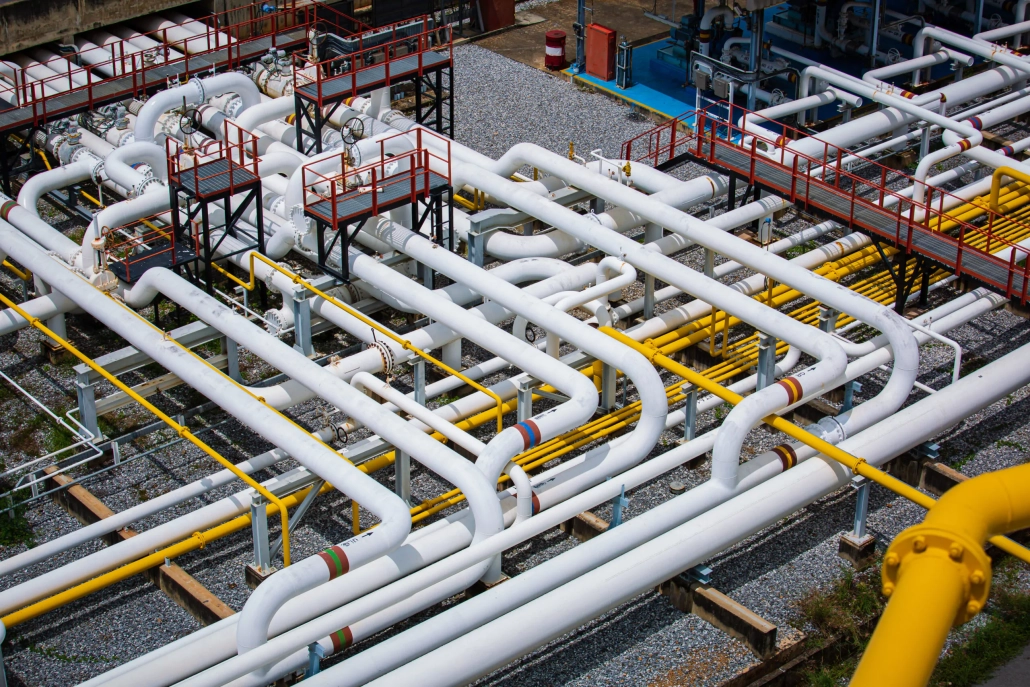
Challenges in Pipeline Leak Investigation
While modern tools have improved the speed and accuracy of investigations, several challenges remain:
- Accessibility: Pipelines often run underground, underwater, or through remote areas, making physical inspection and repair complex.
- Environmental Sensitivity: Leaks in ecologically sensitive regions require careful handling to minimize environmental impact.
- Data Integration: Combining information from multiple sources—sensors, manual inspections, and historical records—can be difficult but is essential for a thorough investigation.
- Regulatory Compliance: Investigations must meet stringent reporting and documentation standards set by authorities.
To address these issues, organizations often implement integrated management systems and invest in staff training. For more on practical approaches to testing and response, see pipeline leak testing and pipeline leak response procedures.
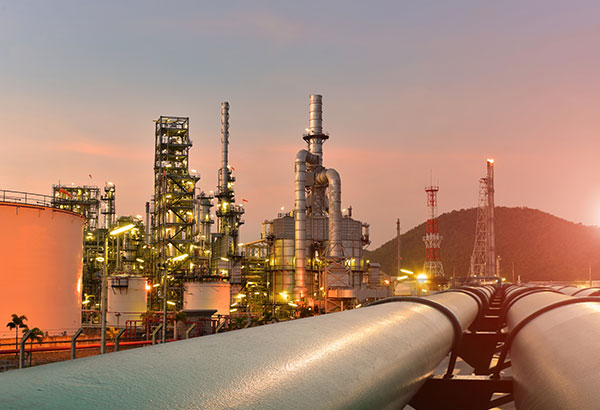
Best Practices for Effective Leak Investigations
To maximize the effectiveness of a pipeline leak investigation, organizations should adopt a set of best practices:
- Establish Clear Protocols: Standardized procedures ensure consistency and compliance across all investigations.
- Leverage Technology: Invest in advanced detection and monitoring systems to improve early identification and localization of leaks.
- Train Personnel: Regular training equips teams with the skills to respond quickly and safely to leak events.
- Document Thoroughly: Comprehensive records support root cause analysis and regulatory reporting.
- Review and Improve: After each incident, review the investigation to identify lessons learned and update protocols as needed.
Adopting these practices not only improves safety and reliability but also helps organizations meet legal and environmental obligations.
Frequently Asked Questions
What are the main causes of pipeline leaks?
The most common causes include corrosion, mechanical damage from excavation, material defects, faulty welds, and operational errors. Regular maintenance and monitoring can help reduce the risk of leaks.
How is a leak detected in buried pipelines?
Detection methods for buried pipelines include acoustic sensors, pressure monitoring, tracer gas injection, and infrared thermography. These technologies help localize leaks without the need for extensive excavation.
What should operators do after discovering a leak?
Operators should immediately secure the area, isolate the affected section, notify relevant authorities, and begin a structured investigation. Timely documentation and root cause analysis are essential for effective remediation and future prevention.