

Pipeline Leak Response Procedures
A swift and effective pipeline leak response is essential for minimizing environmental, safety, and financial risks. Whether transporting water, oil, gas, or chemicals, pipelines are critical infrastructure that require robust emergency protocols. This article outlines the key steps, best practices, and safety considerations for responding to leaks in pipeline systems, ensuring that operators and stakeholders are prepared to act decisively in the event of an incident.
Understanding the correct procedures not only helps contain and mitigate the impact of leaks but also supports regulatory compliance and public trust. Early detection, rapid isolation, and coordinated communication are all vital elements of a successful response. For a deeper dive into monitoring technologies, see pipeline leak monitoring and how it supports proactive management.
Recognizing and Verifying Pipeline Leaks
The first step in any pipeline leak response is accurate identification. Leaks can manifest through a variety of signs, including pressure drops, unusual odors, visible liquid or gas, and alarms from monitoring systems. Operators should be trained to recognize these indicators and understand the importance of immediate action.
For more on the warning signs, refer to the pipeline leak indicators guide, which details common symptoms and detection methods.
- Automated monitoring: Modern systems use sensors and SCADA platforms to detect anomalies in real time.
- Visual inspection: Field personnel should regularly check for wet spots, dead vegetation, or vapor clouds along the pipeline route.
- Community reports: Sometimes, leaks are first noticed by the public. Establish clear channels for external reporting.
Once a potential leak is identified, verification is crucial. This may involve cross-checking sensor data, dispatching inspection teams, or using portable gas detectors. Rapid confirmation enables a faster and more targeted response.
Immediate Actions and Safety Priorities
After confirming a leak, the next priority is to ensure the safety of personnel, the public, and the environment. The following steps are standard in most emergency protocols:
- Alert and evacuate: Notify all personnel in the affected area and initiate evacuation if necessary. Follow established safety zones and muster points.
- Isolate the segment: Use remote or manual valves to shut off the affected section of the pipeline. This limits the volume of product released and prevents escalation.
- Contact emergency services: Inform local fire departments, hazardous materials teams, and regulatory authorities as required by law.
- Establish a command center: Set up a central point for coordinating response efforts, communication, and documentation.
For comprehensive safety measures, the pipeline leak safety resource offers practical advice on protecting workers and communities during incidents.
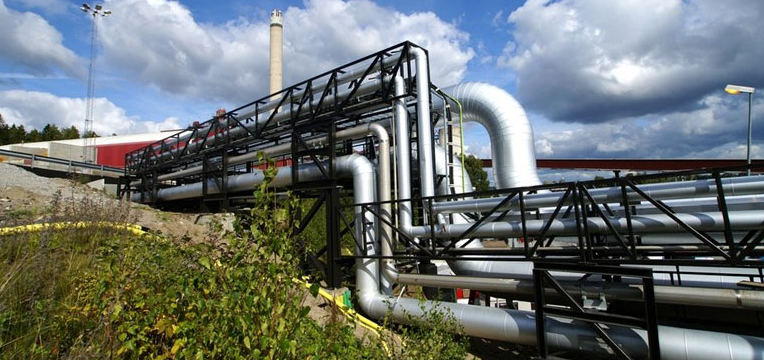
Containing and Mitigating the Leak
Once the immediate area is secured, efforts shift to containing the leak and minimizing environmental damage. This stage is critical for reducing the spread of hazardous materials and protecting sensitive ecosystems.
- Deploy containment equipment: Use booms, absorbent pads, and barriers to prevent the spread of liquids or gases.
- Recover spilled product: Where possible, collect and store leaked material for proper disposal or recycling.
- Monitor air and water quality: Conduct ongoing sampling to assess the impact and guide remediation efforts.
- Document the incident: Keep detailed records of actions taken, materials used, and observations for regulatory reporting and future analysis.
Understanding the potential consequences of leaks is essential. For a detailed overview of the dangers, see the article on major hazards of pipeline leaks.
Communication and Regulatory Compliance
Effective communication is a cornerstone of any successful pipeline leak response. Operators must coordinate with internal teams, emergency responders, regulators, and the public. Transparency and timely updates help maintain trust and ensure that all parties are informed.
Key communication steps include:
- Internal notifications: Alert company leadership and technical teams to mobilize resources.
- Regulatory reporting: File required incident reports with local, state, and federal agencies within mandated timelines.
- Public information: Issue statements to affected communities, especially if there are health or safety risks.
For more on compliance and best practices, the comprehensive guide to pipeline leak detection systems provides valuable insights into regulatory expectations and technological solutions.
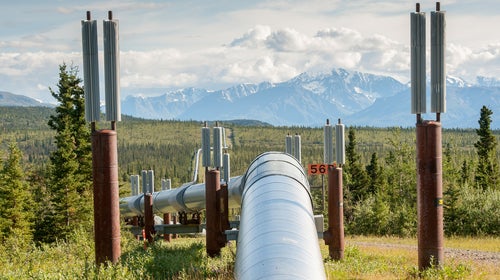
Restoration and Post-Incident Analysis
After the leak is contained and the area is deemed safe, the focus turns to restoration and learning from the event. This phase includes:
- Site remediation: Clean up contaminated soil, water, or air, and restore the environment as required by regulations.
- Pipeline repair: Inspect and repair the damaged section, using certified materials and methods.
- Incident review: Conduct a thorough investigation to determine root causes and identify areas for improvement.
- Update procedures: Revise emergency plans, training, and equipment based on lessons learned.
Understanding the risks associated with leaks is vital for prevention. Explore more about risks associated with pipeline leaks for a comprehensive risk management perspective.
Best Practices for Pipeline Leak Response Planning
Preparation is the foundation of an effective response. Companies should regularly review and update their emergency plans, conduct drills, and invest in advanced detection and isolation technologies. Key best practices include:
- Regular training: Ensure all staff are familiar with emergency procedures and their specific roles.
- Technology upgrades: Implement smart valves, remote monitoring, and automated shut-off systems to enhance response speed.
- Community engagement: Work with local stakeholders to build trust and ensure clear communication channels.
- Continuous improvement: Use post-incident reviews to refine protocols and invest in ongoing staff development.
Staying proactive and leveraging the latest technology can significantly reduce the impact of pipeline incidents and support long-term operational resilience.
Frequently Asked Questions
What is the first step when a pipeline leak is suspected?
The initial action is to verify the leak using monitoring systems, visual inspection, or field reports. Once confirmed, immediate safety measures and isolation procedures should be initiated.
How can pipeline operators minimize environmental damage during a leak?
Operators should deploy containment equipment quickly, recover spilled materials, and monitor environmental conditions. Timely communication with authorities and the public is also crucial for effective mitigation.
Why is regular training important for pipeline leak response?
Ongoing training ensures that staff can respond quickly and correctly, reducing the risk of injury, environmental harm, and regulatory penalties. Drills and scenario planning help reinforce best practices and readiness.