
Pipeline Leak Safety Essentials
Pipelines are the backbone of energy and resource transportation, carrying oil, gas, water, and chemicals over vast distances. However, leaks in these systems can pose significant risks to people, the environment, and infrastructure. Understanding pipeline leak safety is crucial for operators, maintenance teams, and communities living near pipeline routes. This guide explores the key principles, detection methods, and best practices for minimizing hazards and ensuring rapid response to leaks.
Recognizing the early signs of a pipeline leak and implementing robust monitoring strategies can prevent minor issues from escalating into major incidents. By staying informed and prepared, stakeholders can help protect both public safety and valuable resources.
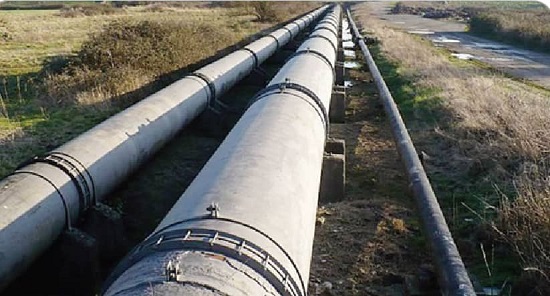
Understanding the Risks Associated with Pipeline Leaks
Leaks in pipelines can result from corrosion, mechanical damage, faulty installation, or natural disasters. The consequences range from minor product loss to catastrophic explosions or environmental contamination. Key risks include:
- Health and safety hazards for workers and nearby residents due to toxic or flammable substances.
- Environmental damage such as soil and water pollution, which can harm wildlife and ecosystems.
- Economic losses from product loss, cleanup costs, and potential legal liabilities.
- Operational disruptions that can affect supply chains and critical services.
For a deeper dive into the dangers, see this overview of major hazards of pipeline leaks.
Key Components of a Pipeline Leak Safety Program
A comprehensive approach to pipeline leak safety involves multiple layers of prevention, detection, and response. The most effective programs include:
- Regular inspections using advanced tools and visual checks to identify vulnerabilities.
- Continuous monitoring with sensors and automated systems for real-time leak detection.
- Employee training on emergency procedures and safe handling of hazardous materials.
- Community awareness initiatives to educate the public on recognizing warning signs and reporting incidents.
Modern pipeline leak monitoring techniques play a vital role in early detection and rapid intervention.

Detection Methods and Early Warning Systems
Detecting leaks quickly is essential to minimize harm. There are several methods used in the industry:
- Pressure monitoring: Sudden drops in pressure can indicate a leak. Automated systems can trigger alarms for immediate action.
- Acoustic sensors: These devices listen for the unique sounds produced by escaping fluids or gases.
- Fiber optic cables: Installed along pipelines, these can detect temperature changes or vibrations caused by leaks.
- Visual inspections: Drones and ground patrols help spot visible signs of leaks, such as wet spots or dead vegetation.
To understand how these technologies work together, read about pipeline leak detection systems and their role in modern safety programs.
In addition, recognizing key indicators of pipeline leaks—such as unusual odors, hissing sounds, or unexpected vegetation changes—can help both workers and the public respond promptly.
Common Signs and Immediate Actions
Early identification of leaks is critical. Some of the most common warning signs include:
- Unexplained puddles or wet ground near pipeline routes
- Dead or discolored vegetation in a line along the pipeline
- Strong chemical or petroleum odors
- Hissing, bubbling, or roaring noises from the ground
- Visible vapor clouds or mist
If you notice any of these signs, it is important to move to a safe distance and notify authorities or the pipeline operator immediately. Never attempt to repair or contain a leak yourself unless you are trained and authorized to do so.
For more on recognizing problems early, see this guide to signs that your pipeline needs leak sealing.
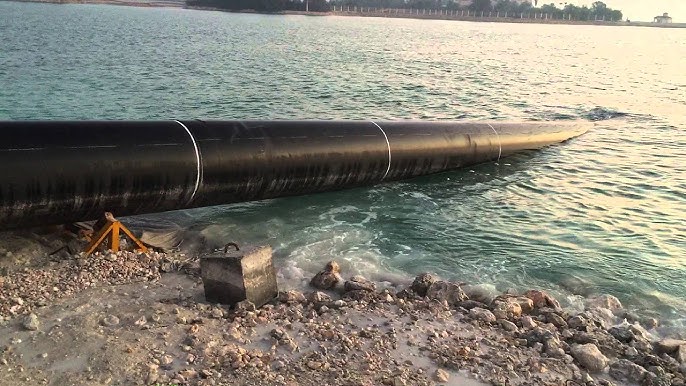
Best Practices for Pipeline Leak Safety Management
A strong safety culture is the foundation of effective leak prevention and response. Consider these best practices:
- Routine maintenance: Schedule regular checks and repairs to address corrosion, joint integrity, and protective coatings.
- Emergency planning: Develop and rehearse response plans with local emergency services and community leaders.
- Use of smart technology: Integrate smart valves and automated shut-off systems to isolate leaks quickly and reduce product loss.
- Data analysis: Monitor trends and incident reports to identify recurring issues and improve safety protocols.
- Stakeholder engagement: Communicate openly with employees, regulators, and the public about risks and safety measures.
By following these guidelines, organizations can significantly reduce the likelihood and impact of leaks.
Regulatory Compliance and Industry Standards
Pipeline operators must comply with national and international regulations governing safety, environmental protection, and emergency response. Key standards include:
- Regular reporting and documentation of inspections and maintenance activities
- Adherence to design and construction codes for new pipelines
- Implementation of risk assessment and mitigation strategies
- Participation in industry safety programs and audits
Staying up to date with evolving regulations and best practices is essential for maintaining operational licenses and public trust.
Frequently Asked Questions
What are the most common causes of pipeline leaks?
Most leaks result from corrosion, mechanical damage (such as excavation accidents), faulty welds or joints, and natural events like earthquakes or floods. Regular inspections and maintenance can help prevent these issues.
How can communities near pipelines stay safe?
Communities should be aware of pipeline locations, recognize warning signs of leaks, and know how to report suspicious activity or incidents. Many operators provide educational materials and emergency contact information for local residents.
What should I do if I suspect a pipeline leak?
Move to a safe distance immediately, avoid using electronics or open flames, and contact emergency services or the pipeline operator. Do not attempt to contain or repair the leak yourself.
How do smart valves improve pipeline safety?
Smart valves can automatically detect abnormal conditions and shut off flow to isolate leaks, minimizing product loss and reducing the risk of fire or explosion. They are an important part of modern leak prevention strategies.
Conclusion
Protecting people, property, and the environment from pipeline leaks requires a proactive and informed approach. By combining advanced detection technologies, regular maintenance, and strong safety protocols, operators and communities can work together to reduce risks and respond effectively when incidents occur. Staying vigilant and embracing best practices in pipeline leak safety is essential for the continued safe operation of these critical infrastructures.