

Pipeline Leak Public Safety Concerns
Pipelines are critical infrastructure, transporting water, oil, natural gas, and chemicals across vast distances. However, when leaks occur, they can pose significant risks to both communities and the environment. Understanding pipeline leak public safety issues is essential for industry professionals, emergency responders, and the general public alike. This article explores the main hazards, detection strategies, and safety measures associated with pipeline leaks, providing practical insights and resources for staying informed and prepared.
The consequences of a pipeline failure can range from minor service interruptions to catastrophic explosions, fires, or environmental disasters. Early detection and rapid response are crucial to minimizing harm. For those interested in advanced monitoring, pipeline digital twins for leak detection offer innovative ways to identify and address leaks before they escalate.
Understanding the Hazards of Pipeline Leaks
A breach in a pipeline can release hazardous substances, threatening both human health and the environment. The specific dangers depend on the type of material being transported, the location of the leak, and the speed of response. Key risks include:
- Explosion and Fire: Leaks involving natural gas or volatile liquids can ignite, causing fires or explosions that endanger lives and property.
- Environmental Contamination: Oil and chemical spills can pollute soil, water sources, and ecosystems, sometimes with long-term effects.
- Health Hazards: Exposure to toxic substances may cause respiratory issues, skin irritation, or more severe health problems for nearby residents and workers.
- Service Disruption: Interruptions in water, energy, or fuel supply can impact daily life and critical infrastructure.
The scale of these hazards highlights why public safety must be at the forefront of pipeline management and emergency planning.
Key Indicators and Early Warning Signs
Recognizing the early signs of a pipeline leak is vital for prompt action. Some common indicators include:
- Unusual hissing or roaring sounds near pipelines
- Dead vegetation or discolored soil along the pipeline route
- Persistent petroleum or chemical odors
- Visible pools of liquid or unexpected wet areas
- Sudden drops in pipeline pressure detected by operators
For a comprehensive overview of warning signs, see this guide to pipeline leak indicators.
Modern Approaches to Leak Detection and Response
Advancements in technology have improved the ability to detect and respond to leaks quickly. Some of the most effective strategies include:
- Automated Monitoring Systems: Sensors and smart valves can detect pressure changes, flow anomalies, or gas concentrations, triggering automatic shutdowns or alerts.
- Pipeline Digital Twins: Virtual models of pipeline systems, as discussed in pipeline digital twins for leak detection, enable real-time simulation and predictive maintenance.
- Regular Inspections: Routine checks using drones, smart pigs, or manual surveys help identify potential weak points before they fail.
- Community Reporting: Public awareness campaigns encourage residents to report suspicious signs or odors near pipelines.
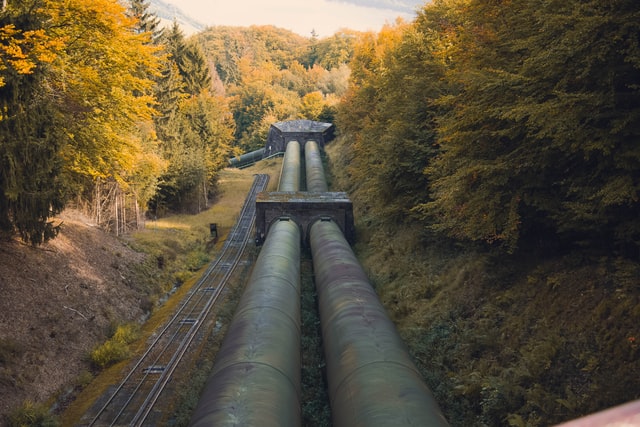
The integration of smart devices and digital monitoring tools has significantly increased the speed and accuracy of leak detection, reducing the potential impact on public safety.
Emergency Preparedness and Community Safety
Preparedness is a shared responsibility between pipeline operators, local authorities, and the public. Effective emergency response plans should include:
- Clear Communication: Timely alerts and instructions for nearby residents and businesses
- Evacuation Procedures: Well-defined routes and assembly points in case of major leaks or fires
- Training and Drills: Regular exercises for first responders and pipeline personnel
- Access to Safety Equipment: Availability of fire suppression tools, personal protective equipment, and first aid supplies
Communities located near pipelines should be familiar with local emergency plans and know how to recognize and report potential leaks. For those interested in improving system resilience, the article on pipeline system resilience offers further strategies.
Environmental and Regulatory Considerations
Pipeline operators are subject to strict regulations designed to protect both people and the environment. Compliance with federal, state, and local laws is non-negotiable, and failure to adhere can result in severe penalties. Key regulatory requirements include:
- Routine maintenance and inspection schedules
- Immediate reporting of significant leaks or spills
- Implementation of advanced leak detection technology
- Restoration and remediation of affected areas
For a step-by-step look at how leaks are addressed, see pipeline leak restoration steps.

Environmental restoration is a critical part of the response process, ensuring that affected land and water are returned to safe conditions as quickly as possible.
Lessons Learned and Future Directions
Each incident involving a pipeline leak offers valuable lessons for improving safety protocols and technology. Industry reviews, such as those found in pipeline incident lessons learned, help operators and regulators refine best practices. Emerging trends include:
- Wider adoption of artificial intelligence for predictive maintenance
- Greater transparency and public reporting of pipeline data
- Enhanced collaboration between industry, government, and communities
- Investment in new materials and construction techniques to reduce failure rates
As technology evolves, so do the methods for safeguarding communities and the environment from the risks associated with pipeline leaks.
Frequently Asked Questions
What should I do if I suspect a pipeline leak near my home?
If you notice signs such as unusual odors, dead vegetation, or hissing sounds near a pipeline, leave the area immediately and call emergency services. Do not attempt to investigate or stop the leak yourself. Follow local evacuation instructions and avoid using electronics or open flames nearby.
How are pipeline leaks detected and reported?
Leaks can be detected through automated monitoring systems, regular inspections, and public reports. Many operators use sensors and smart valves to identify pressure changes or gas releases. If a leak is confirmed, it must be reported to authorities and the public according to regulatory requirements.
What steps are taken to restore safety after a pipeline incident?
Restoration involves stopping the leak, repairing the pipeline, cleaning up any spills, and monitoring the area for ongoing risks. Environmental remediation and health assessments may be conducted to ensure the area is safe for residents and wildlife. For more details, refer to pipeline leak restoration steps.
Conclusion
Addressing pipeline leak public safety is a complex challenge that requires vigilance, technology, and community cooperation. By staying informed about warning signs, supporting modern detection methods, and participating in emergency preparedness, everyone can play a role in reducing risks. Continued innovation and shared responsibility will be key to protecting people and the environment from the dangers associated with pipeline failures.