Pipeline Digital Twins for Leak Detection
Pipeline digital twins for leak detection are transforming the way operators monitor, manage, and protect critical infrastructure. By creating a virtual replica of a physical pipeline system, these advanced tools enable real-time monitoring, predictive maintenance, and rapid response to leaks or failures. As the energy sector faces increasing regulatory and environmental pressures, digital twin technology is quickly becoming a cornerstone of modern pipeline management.
This article explores how digital twins are used to detect leaks, the benefits they offer over traditional methods, and the key components that make them effective. We'll also highlight recent innovations, practical applications, and resources for further learning. For those interested in broader trends, see our guide on emerging pipeline technologies.

Understanding Digital Twins in Pipeline Monitoring
A digital twin is a dynamic, virtual representation of a physical asset, process, or system. In the context of pipelines, it integrates real-time data from sensors, historical records, and engineering models to create a living simulation of the pipeline network. This simulation continuously updates as new data arrives, allowing operators to visualize the state of the pipeline, predict potential issues, and respond proactively.
The use of digital twins for leak detection goes beyond simple monitoring. By combining sensor data with advanced analytics and machine learning, these systems can identify anomalies that may indicate leaks, corrosion, or other threats—often before they escalate into major incidents.
How Digital Twins Enhance Leak Detection Capabilities
Traditional leak detection methods, such as pressure monitoring and manual inspections, have limitations in sensitivity and speed. Digital twins offer several advantages:
- Real-time anomaly detection: By continuously comparing live sensor data with the expected behavior modeled in the digital twin, operators can spot deviations that signal leaks or ruptures.
- Predictive analytics: Machine learning algorithms analyze trends and patterns to forecast where leaks are most likely to occur, enabling targeted maintenance and risk reduction.
- Remote visualization: Operators can view the entire pipeline system remotely, including hard-to-access areas, improving situational awareness and response times.
- Automated alerts: When a potential leak is detected, the system can trigger automated notifications, activate emergency protocols, or even control smart valves to isolate affected sections.

Key Components of Pipeline Digital Twin Solutions
To deliver effective leak detection, a digital twin platform typically includes the following elements:
- Sensor networks: Distributed sensors measure pressure, flow, temperature, vibration, and other parameters along the pipeline.
- Data integration: The system aggregates sensor data, historical maintenance logs, and environmental information for comprehensive analysis.
- Simulation models: Engineering models simulate the physical behavior of the pipeline under various conditions, providing a baseline for comparison.
- Analytics engine: Advanced algorithms process incoming data to detect anomalies, predict failures, and recommend actions.
- User interface: Dashboards and visualization tools present actionable insights to operators and decision-makers.
Some platforms also integrate with control systems, allowing for automated responses such as shutting valves or rerouting flow in the event of a detected leak.
Benefits Over Conventional Leak Detection Methods
Adopting digital twin technology for pipeline leak detection delivers several important benefits:
- Faster detection and response: Real-time monitoring enables operators to identify and address leaks much more quickly than with manual or periodic inspections.
- Reduced false alarms: The combination of simulation and analytics helps distinguish between genuine leaks and harmless fluctuations, minimizing unnecessary shutdowns.
- Lower operational costs: Predictive maintenance and targeted interventions reduce the need for costly emergency repairs and downtime.
- Enhanced safety and compliance: Early leak detection helps prevent environmental damage, regulatory violations, and reputational harm.
For a deeper look at how organizations recover from incidents, see our resource on pipeline leak restoration steps.
Real-World Applications and Case Studies
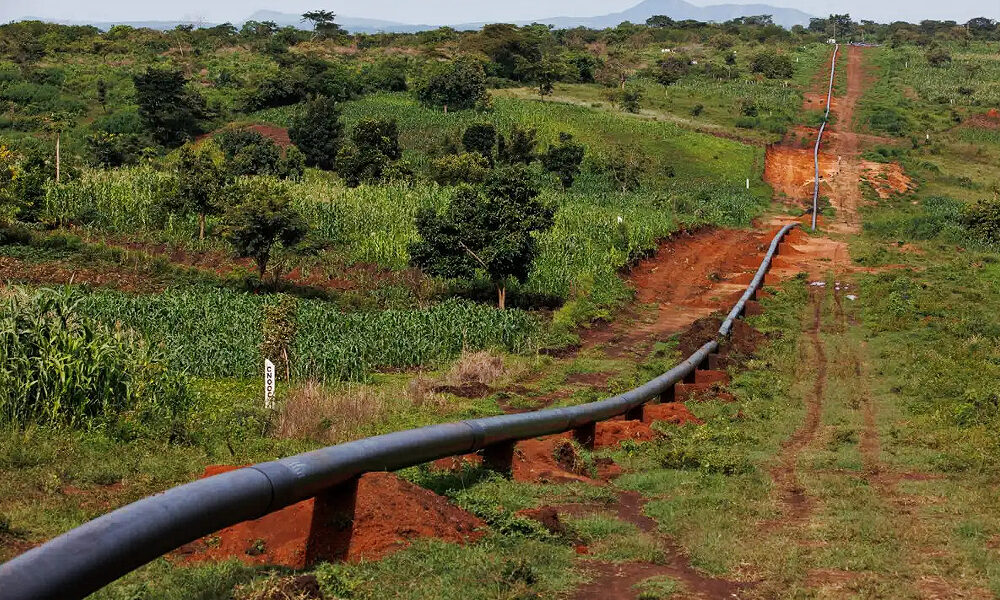
Digital twins are being deployed across a variety of pipeline systems, from oil and gas to water distribution. For example, operators of long-distance crude pipelines have used digital twins to monitor for leaks in remote regions, reducing the risk of undetected spills. In urban environments, water utilities leverage digital twins to pinpoint leaks quickly, saving millions of gallons and preventing infrastructure damage.
A notable example is the use of fiber optic sensing combined with digital twin analytics, as described in this overview of advanced pipeline monitoring solutions. These systems can detect leaks as small as 0.5% of pipeline volume loss, providing a level of sensitivity and speed that was previously unattainable.
Challenges and Considerations in Implementation
While the advantages are clear, implementing digital twin solutions for leak detection presents several challenges:
- Data quality and integration: Accurate detection relies on high-quality, consistent sensor data. Integrating legacy systems and disparate data sources can be complex.
- Cybersecurity: As pipelines become more connected, protecting digital twin platforms from cyber threats is essential.
- Scalability: Large pipeline networks require robust infrastructure to process and analyze vast amounts of data in real time.
- Change management: Operators and technicians need training to effectively use new digital tools and workflows.
Despite these hurdles, the long-term benefits in safety, efficiency, and compliance make digital twins an increasingly attractive investment for pipeline operators. Building a strong pipeline leak prevention culture can further support the successful adoption of these technologies.
Future Trends in Digital Twin Leak Detection
The field continues to evolve rapidly. Key trends include:
- Integration with AI and machine learning: More sophisticated algorithms are improving the accuracy and predictive power of digital twins.
- Edge computing: Processing data closer to the source reduces latency and enables faster detection and response.
- Cloud-based platforms: Centralized data storage and analytics allow for easier scaling and collaboration across teams and geographies.
- Interoperability: Open standards and APIs are making it easier to connect digital twins with other enterprise systems, such as asset management and emergency response platforms.
As these technologies mature, expect to see even more robust and user-friendly solutions that help operators stay ahead of leaks and other pipeline threats.
Frequently Asked Questions
What is a digital twin in pipeline monitoring?
A digital twin in pipeline monitoring is a virtual model that mirrors the real pipeline system. It uses real-time sensor data and engineering models to simulate the pipeline's behavior, helping operators detect leaks, predict failures, and optimize maintenance.
How do digital twins improve leak detection compared to traditional methods?
Digital twins provide continuous, real-time monitoring and advanced analytics, enabling faster and more accurate leak detection than manual inspections or basic pressure monitoring. They also reduce false alarms and support predictive maintenance.
Are digital twin solutions suitable for all types of pipelines?
Yes, digital twin technology can be adapted for various pipeline types, including oil, gas, water, and chemical pipelines. The specific sensors and models used may vary depending on the application and operating environment.
Conclusion
Pipeline digital twins for leak detection are reshaping the industry by providing real-time insights, predictive analytics, and automated response capabilities. While implementation requires careful planning and investment, the benefits in safety, efficiency, and environmental protection are substantial. As technology advances, digital twins will play an even greater role in safeguarding critical infrastructure and ensuring reliable pipeline operations.
For additional strategies on enhancing pipeline safety and resilience, explore our article on pipeline system resilience and learn from pipeline incident lessons learned.