

Building a Pipeline Leak Prevention Culture
Establishing a strong pipeline leak prevention culture is essential for any organization responsible for transporting liquids or gases through pipelines. Leaks can result in environmental damage, regulatory fines, operational downtime, and reputational harm. Preventing these incidents requires more than just technical solutions—it demands a company-wide commitment to safety, vigilance, and continuous improvement.
This article explores the key elements of fostering a proactive mindset around leak prevention, including leadership engagement, employee training, technology adoption, and transparent communication. By embedding these principles into daily operations, organizations can significantly reduce the risk of leaks and build long-term resilience.
For organizations seeking to stay ahead of industry trends, exploring emerging pipeline technologies can provide additional insights into the latest tools and strategies for leak detection and prevention.
Why a Proactive Approach to Leak Prevention Matters
Pipeline leaks can have far-reaching consequences. Beyond the immediate costs of repairs and lost product, leaks can contaminate soil and water, harm wildlife, and disrupt communities. Regulatory agencies are increasingly strict, and public scrutiny is high. A proactive culture not only helps prevent incidents but also demonstrates a commitment to safety and environmental stewardship.
Organizations that prioritize leak prevention often see benefits such as:
- Reduced operational risks and unplanned downtime
- Lower maintenance and cleanup costs
- Improved compliance with regulations
- Enhanced reputation with stakeholders and the public
Leadership’s Role in Shaping Pipeline Safety Culture
The foundation of any effective leak prevention program is strong leadership. Executives and managers must actively promote safety values and allocate resources to support prevention efforts. This includes setting clear expectations, recognizing safe behaviors, and holding all levels of staff accountable.
Leaders should:
- Communicate the importance of leak prevention at every opportunity
- Invest in training, technology, and maintenance
- Encourage open reporting of potential issues without fear of reprisal
- Regularly review and update safety policies
Empowering Employees for Leak Detection and Prevention
A true pipeline leak prevention culture empowers every employee—from field technicians to control room operators—to take ownership of safety. Training programs should go beyond compliance and focus on practical skills for identifying early warning signs of leaks, understanding system vulnerabilities, and responding swiftly to anomalies.
Encouraging a “see something, say something” attitude helps ensure that small issues are addressed before they escalate. Employees should feel confident to report concerns and suggest improvements, knowing their input is valued.
Integrating Technology for Enhanced Leak Prevention
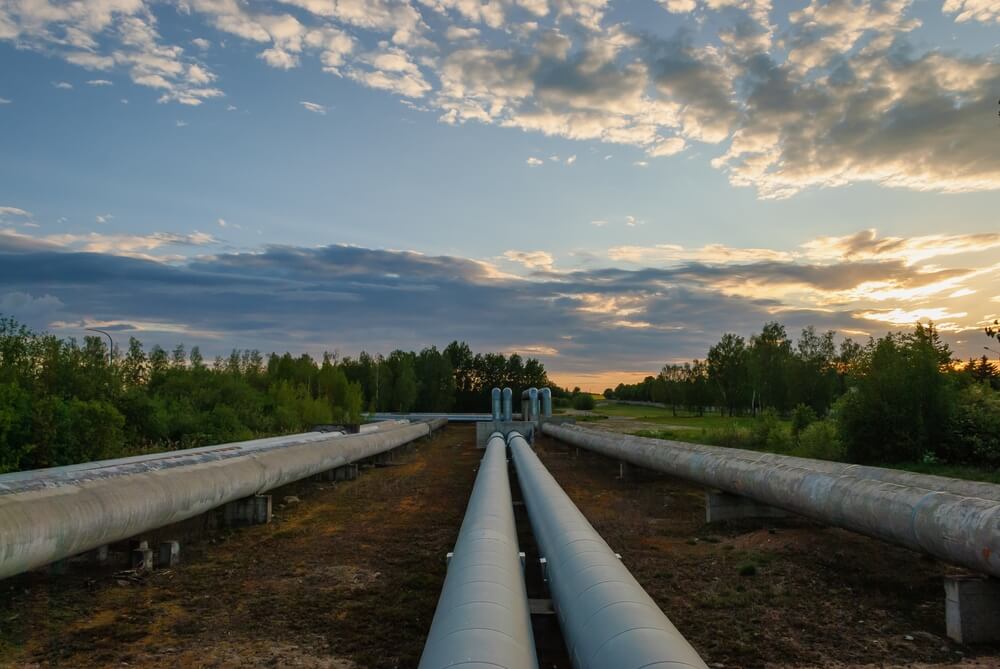
Modern leak prevention strategies increasingly rely on advanced technologies. Automated monitoring systems, smart valves, and real-time data analytics can detect subtle changes in pressure or flow, alerting operators to potential leaks before they become critical.
For example, pipeline robotics inspections allow for internal assessments of pipeline integrity, while pipeline smart pigging provides detailed information on corrosion and other threats. These tools, when combined with a strong safety culture, create multiple layers of defense against leaks.
It’s also important to stay informed about the signs that your pipeline needs leak sealing, as early intervention can prevent more serious incidents.
Continuous Improvement and Learning from Incidents
No system is completely immune to failure. When leaks or near-misses occur, organizations must treat them as learning opportunities. Conducting thorough investigations, sharing lessons learned, and updating procedures are critical steps in strengthening future prevention efforts.
Resources such as pipeline incident lessons learned can help teams understand root causes and implement corrective actions. Regular reviews and drills also keep teams prepared and reinforce the importance of vigilance.

Strengthening System Resilience and Preparedness
Building resilience into pipeline systems is an ongoing process. Regular maintenance, risk assessments, and scenario planning help organizations anticipate and mitigate potential threats. Strategies for pipeline system resilience include redundancy, robust emergency response plans, and collaboration with local authorities.
By integrating these practices into daily operations, companies can ensure that leak prevention remains a top priority, even as conditions and technologies evolve.
Key Elements of a Sustainable Leak Prevention Mindset
To create a lasting culture of prevention, organizations should focus on the following core elements:
- Leadership commitment: Visible support and resource allocation from top management
- Employee engagement: Ongoing training, empowerment, and recognition of proactive behaviors
- Technology integration: Adoption of smart monitoring, inspection, and control systems
- Open communication: Transparent reporting and sharing of information across teams
- Continuous learning: Regular reviews, incident analysis, and process improvements
When these elements are woven into the fabric of an organization, leak prevention becomes second nature, reducing risks and supporting long-term success.
Frequently Asked Questions
What are the most common causes of pipeline leaks?
The most frequent causes include corrosion, equipment failure, third-party damage, and operational errors. Regular inspections, maintenance, and employee training can help address these risks.
How can technology help prevent pipeline leaks?
Technologies such as smart valves, real-time monitoring systems, and robotics inspections provide early detection of anomalies and help operators respond quickly. Integrating these tools with a strong safety culture enhances overall effectiveness.
What steps can organizations take to improve their leak prevention culture?
Key actions include leadership engagement, comprehensive employee training, investment in advanced technologies, open communication channels, and a commitment to continuous improvement through incident reviews and lessons learned.