
Thermal Imaging for Leak Detection
Thermal imaging leak detection has become a vital technology for identifying leaks in pipelines, industrial systems, and building infrastructure. By capturing and analyzing temperature differences, this method allows for fast, non-invasive detection of leaks that could otherwise go unnoticed until significant damage occurs. In this guide, we’ll explore how thermal cameras work, their advantages, and how they compare to other leak detection methods.
Pipeline operators and facility managers are increasingly turning to advanced monitoring solutions to ensure system integrity. For a broader understanding of monitoring technologies, you may also be interested in pipeline health monitoring and how it complements thermal techniques.
Understanding How Thermal Cameras Detect Leaks
Thermal imaging leak detection relies on infrared cameras that visualize heat patterns emitted by objects. When a substance such as water, oil, or gas escapes from a pipeline or system, it often causes a temperature anomaly. These temperature changes are invisible to the naked eye but are easily detected by thermal cameras, which convert infrared radiation into visible images.
Leaks typically appear as hot or cold spots, depending on the temperature of the escaping material relative to its surroundings. For example, a water leak in a wall may show up as a cooler area, while a steam leak may appear warmer. This makes thermal imaging especially useful for inspecting large or inaccessible areas quickly.
Key Benefits of Using Infrared Technology for Leak Detection
There are several reasons why organizations choose thermal imaging leak detection over traditional methods:
- Non-invasive: Inspections can be performed without dismantling structures or interrupting operations.
- Speed: Large areas can be scanned rapidly, reducing downtime and labor costs.
- Accuracy: Thermal cameras can pinpoint the exact location of a leak, minimizing guesswork.
- Versatility: Suitable for detecting leaks in pipelines, roofs, HVAC systems, and electrical equipment.
- Preventive maintenance: Early detection helps prevent costly repairs and environmental damage.
Applications Across Industries
Thermal imaging is widely used in sectors where leak prevention is critical. Some common applications include:
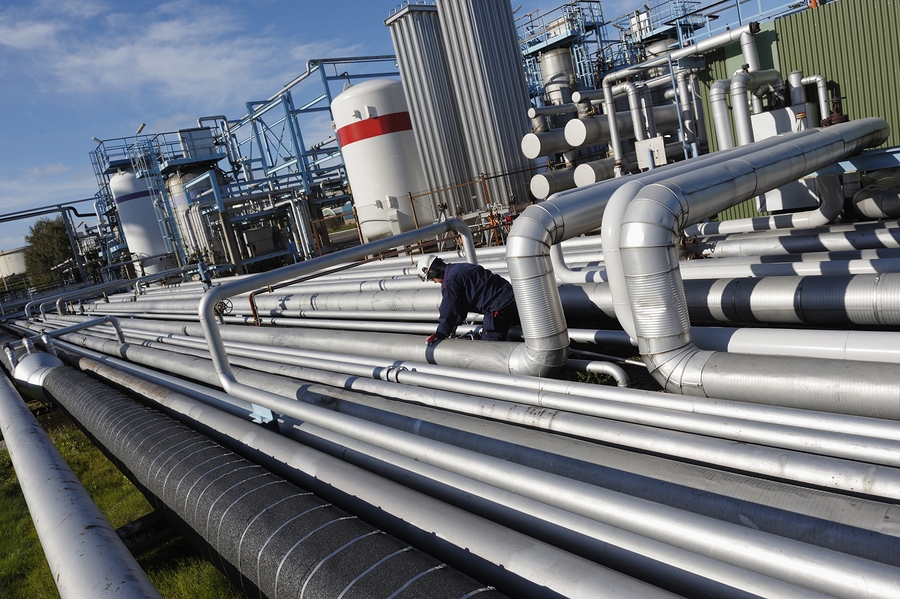
- Oil and Gas Pipelines: Detecting leaks in buried or above-ground pipelines to prevent environmental hazards and product loss.
- Building Inspections: Locating water leaks in walls, roofs, and floors without destructive testing.
- Industrial Plants: Monitoring steam and gas lines for energy efficiency and safety.
- Municipal Water Systems: Identifying leaks in underground water mains to reduce waste and repair costs.
In addition to thermal imaging, other technologies such as ultrasonic leak detection are often used to complement inspections, providing a comprehensive approach to pipeline integrity.
How Thermal Imaging Compares to Other Leak Detection Methods
While thermal imaging leak detection offers many advantages, it’s important to understand how it fits within the broader landscape of leak detection technologies:
| Method | Principle | Strengths | Limitations |
|---|---|---|---|
| Thermal Imaging | Detects temperature anomalies | Non-invasive, fast, visual | May miss leaks with minimal temperature difference |
| Ultrasonic Detection | Listens for sound waves from leaks | Effective for pressurized systems | Requires skilled operator, less visual |
| Pressure Testing | Monitors pressure drops | Simple, quantitative | Not location-specific, may require shutdown |
| Tracer Gas | Uses detectable gas to find leaks | Highly sensitive, precise | Requires gas introduction, may be costly |
Combining multiple methods often yields the best results, especially in complex or high-risk environments. For more on evaluating system risks, see this overview of pipeline risk assessment techniques.
Limitations and Considerations
While infrared cameras are powerful tools, there are some factors to consider:
- Environmental Conditions: Wind, rain, and sunlight can affect temperature readings and image clarity.
- Insulation: Thick insulation or barriers may mask temperature differences, making leaks harder to spot.
- Operator Skill: Accurate interpretation of thermal images requires training and experience.
- Material Compatibility: Some substances may not produce a strong enough thermal signature for detection.
Despite these limitations, advances in camera sensitivity and image processing continue to improve the reliability of thermal inspections.
Best Practices for Effective Leak Detection with Thermal Imaging
To maximize the effectiveness of thermal inspections, consider the following best practices:
- Schedule inspections during periods of greatest temperature contrast, such as early morning or late evening.
- Ensure surfaces are clean and accessible for accurate readings.
- Combine thermal imaging with other monitoring systems, such as pipeline monitoring sensors, for a more robust approach.
- Document and analyze findings to track recurring issues and inform maintenance planning.
For more technical details on pipeline leak detection, the ScienceDirect pipeline leak detection overview provides in-depth research and case studies.
Frequently Asked Questions
How accurate is thermal imaging for finding leaks?
Thermal imaging is highly accurate for detecting leaks that cause noticeable temperature differences. Its effectiveness depends on the type of material leaking, the surrounding environment, and the skill of the operator. When used correctly, it can pinpoint leaks to within a few centimeters.
Can thermal cameras detect all types of leaks?
While thermal cameras are versatile, they are most effective for leaks that create a temperature contrast with their surroundings. Some slow or small leaks, or those in well-insulated systems, may require complementary methods such as acoustic or tracer gas detection.
Is thermal imaging safe for use in hazardous environments?
Yes, thermal imaging is non-contact and can be performed from a safe distance, making it suitable for hazardous or hard-to-reach locations. However, operators should always follow safety protocols and use equipment rated for the specific environment.