

Ultrasonic Leak Detection Methods
Ultrasonic leak detection has become an essential technology for identifying leaks in pipelines, industrial systems, and critical infrastructure. By capturing high-frequency sound waves produced by escaping gases or liquids, this approach enables maintenance teams to pinpoint leaks quickly and accurately—often before they escalate into costly failures or safety hazards. As industries face increasing regulatory and operational pressures, adopting advanced leak detection strategies is vital for ensuring reliability and minimizing environmental impact.
Understanding how ultrasonic techniques work, their advantages, and how they compare to other solutions can help organizations make informed decisions about protecting their assets. This article explores the principles, applications, and best practices for using ultrasonic technology in leak detection, with practical insights for both facility managers and technical professionals.
For those interested in a broader overview of pipeline monitoring technologies, pipeline monitoring sensors offer valuable context on how ultrasonic solutions fit within a comprehensive asset management strategy.
How Ultrasonic Leak Detection Works
At its core, ultrasonic leak detection relies on the principle that leaks—whether from compressed air, gas, or liquid systems—produce sound waves in the ultrasonic frequency range (typically above 20 kHz). These frequencies are above the range of human hearing but can be detected using specialized sensors and handheld devices.
When a pressurized fluid escapes through a small orifice, it creates turbulence and friction, generating ultrasonic sound. Detectors convert these high-frequency signals into audible sounds or visual indicators, allowing technicians to locate the source of the leak with precision. This non-invasive method is especially effective in noisy industrial environments where traditional acoustic detection may fail.
Key Advantages of Using Ultrasonic Methods
There are several reasons why ultrasonic leak detection is increasingly favored across industries:
- Early Detection: Ultrasonic sensors can identify small leaks before they become visible or cause significant pressure drops.
- Non-Intrusive: No need to shut down systems or disrupt operations, as inspections are performed externally.
- Versatile: Suitable for a wide range of fluids, including air, steam, natural gas, and water.
- Cost-Effective: Reduces energy losses and unplanned downtime by enabling proactive maintenance.
- Safety: Helps prevent hazardous leaks that could pose risks to personnel or the environment.
Compared to other techniques, such as dye testing or pressure decay, ultrasonic approaches offer a faster and more targeted solution for leak localization.
Applications in Pipeline and Industrial Systems
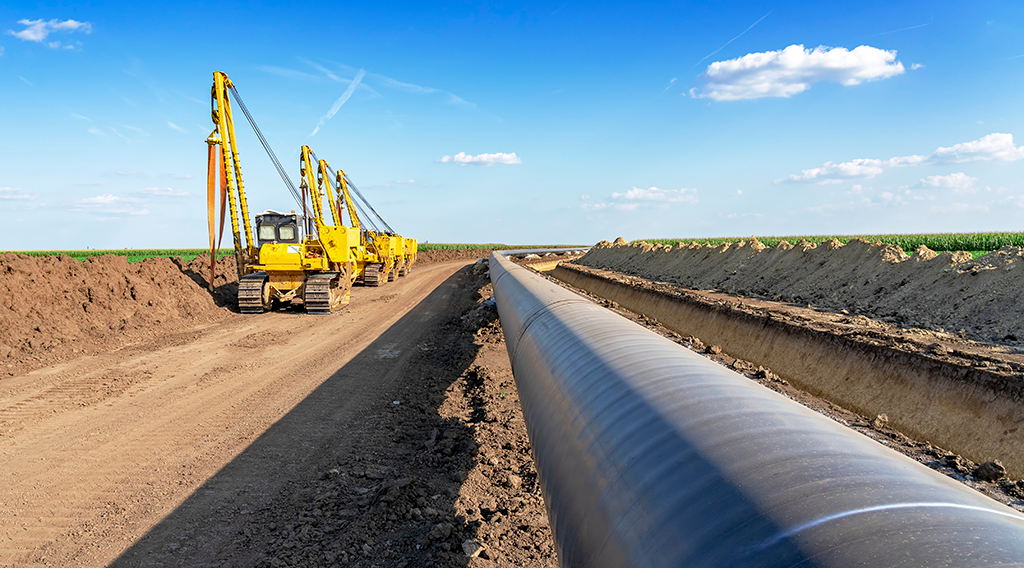
Ultrasonic leak detection is widely used in industries such as oil and gas, chemical processing, water treatment, and manufacturing. In pipeline systems, it enables operators to monitor long stretches of infrastructure for leaks that may otherwise go unnoticed. The technology is also valuable for inspecting valves, flanges, compressors, and storage tanks.
Routine ultrasonic surveys can be integrated into predictive maintenance programs, helping organizations comply with safety regulations and avoid fines. For example, pipeline operators often use ultrasonic tools to supplement other monitoring solutions, as discussed in advanced pipeline monitoring resources.
Types of Ultrasonic Leak Detection Equipment
There are several categories of equipment used for detecting leaks ultrasonically:
- Handheld Detectors: Portable devices with directional microphones or probes, ideal for spot checks and maintenance rounds.
- Parabolic Dishes: Focus sound waves from a distance, allowing for remote inspection of hard-to-reach areas.
- Permanent Sensors: Installed along pipelines or critical assets for continuous monitoring and integration with SCADA systems.
- Imaging Cameras: Visualize ultrasonic emissions, making it easier to locate leaks in complex environments.
Choosing the right equipment depends on factors such as system complexity, accessibility, and the type of fluid being monitored.

Best Practices for Effective Leak Detection
To maximize the benefits of ultrasonic technology, organizations should follow these best practices:
- Conduct regular inspections, especially in high-risk or high-value areas.
- Train personnel on proper use of detection equipment and interpretation of results.
- Integrate ultrasonic data with other monitoring systems for comprehensive asset management.
- Document findings and track leak trends over time to inform maintenance strategies.
- Stay updated on the latest pipeline leak detection research to leverage new tools and methodologies.
Combining ultrasonic methods with other approaches, such as pressure monitoring or chemical sensors, can further enhance detection accuracy and reliability.
Challenges and Limitations
While ultrasonic leak detection offers many advantages, it is important to be aware of its limitations:
- Detection sensitivity may vary depending on background noise, leak size, and system pressure.
- Highly insulated or buried pipelines may require specialized sensors or complementary technologies.
- Interpretation of ultrasonic signals can be subjective, requiring experienced operators for best results.
Despite these challenges, ongoing advances in sensor technology and signal processing continue to improve the performance and accessibility of ultrasonic solutions.
Integrating Ultrasonic Detection with Broader Monitoring Strategies
For optimal protection, many organizations combine ultrasonic leak detection with other monitoring tools. This integrated approach supports early warning, rapid response, and data-driven maintenance. Resources on pipeline best practices and pipeline monitoring trends provide further guidance on building a robust leak detection program.
In addition, using smart valves and automated controls can help isolate leaks quickly and minimize losses. For more information on advanced valve solutions, see the CTA buttons provided after each in-post image.
Environmental and Safety Benefits
Rapid identification and repair of leaks not only protect assets but also reduce emissions and environmental harm. Ultrasonic technology helps organizations meet regulatory requirements and demonstrate a commitment to sustainability. By preventing unplanned releases, companies can avoid costly cleanups, reputational damage, and legal penalties.
For additional insights into the signs and consequences of pipeline leaks, refer to this comprehensive guide on pipeline leak indicators.
Frequently Asked Questions
What types of leaks can ultrasonic technology detect?
Ultrasonic methods are effective for detecting leaks of compressed air, steam, natural gas, water, and other pressurized fluids. They are especially useful for identifying small or early-stage leaks that may not be visible or audible to the human ear.
How accurate is ultrasonic leak detection compared to other methods?
Ultrasonic detection is highly accurate for pinpointing leak locations, particularly in noisy or complex industrial environments. While it may not quantify leak rates as precisely as some flow-based systems, it excels at rapid localization and is often used alongside other monitoring tools for comprehensive coverage.
Can ultrasonic sensors be used on all types of pipelines?
Most pipelines and pressurized systems can benefit from ultrasonic inspections. However, heavily insulated, underground, or extremely thick-walled pipelines may require specialized sensors or alternative techniques for optimal results.
How often should ultrasonic inspections be performed?
Inspection frequency depends on the criticality of the system, regulatory requirements, and historical leak data. Many organizations conduct quarterly or semi-annual surveys, with more frequent checks in high-risk or high-value areas.
Conclusion
Ultrasonic leak detection stands out as a fast, reliable, and non-intrusive solution for maintaining pipeline integrity and operational safety. By integrating this technology into regular maintenance routines and combining it with other monitoring strategies, organizations can significantly reduce the risk of leaks, protect the environment, and optimize maintenance costs. As technology evolves, ultrasonic methods will continue to play a central role in the future of asset management and industrial safety.