
Pipeline Data Analytics for Monitoring
As the energy sector evolves, the need for robust, real-time monitoring of pipeline systems has never been more critical. Pipeline data analytics is transforming how operators detect issues, optimize performance, and comply with safety regulations. By leveraging advanced data analysis, organizations can proactively address leaks, corrosion, and operational inefficiencies, reducing risks and minimizing downtime.
With the increasing complexity of modern pipeline networks, traditional monitoring methods often fall short. Digital solutions now enable continuous surveillance, rapid anomaly detection, and predictive maintenance. These innovations not only enhance safety but also contribute to cost savings and environmental protection.
For those interested in the latest digital innovations, exploring pipeline digital twins for leak detection offers valuable insights into how virtual modeling enhances real-world monitoring. Integrating these technologies with analytics platforms can further improve detection accuracy and response times.
Understanding the Role of Data Analytics in Pipeline Monitoring
Modern pipelines generate vast amounts of data from sensors, flow meters, pressure gauges, and remote monitoring systems. Pipeline data analytics involves collecting, processing, and interpreting this information to provide actionable insights. The main objectives include:
- Early detection of leaks and failures to prevent environmental damage and financial loss
- Predictive maintenance by identifying patterns that indicate potential equipment issues
- Operational optimization for improved throughput and reduced energy consumption
- Regulatory compliance through automated reporting and documentation
By applying machine learning and statistical models, operators can move from reactive to proactive management, addressing issues before they escalate.
Key Components of an Effective Pipeline Analytics System
A comprehensive analytics solution for pipeline monitoring typically includes several integrated components:
- Data Acquisition: Sensors and IoT devices collect real-time data on flow rates, pressure, temperature, and vibration.
- Data Storage: Cloud-based or on-premises databases store large volumes of structured and unstructured data for analysis.
- Data Processing: Advanced algorithms clean, filter, and normalize incoming data streams.
- Visualization Tools: Dashboards and graphical interfaces present insights in an accessible format for operators and decision-makers.
- Alerting and Automation: Automated systems trigger alerts or corrective actions when anomalies are detected.
These components work together to ensure that monitoring is continuous, accurate, and actionable.
Applications and Benefits of Pipeline Data Analysis
Applying analytics to pipeline monitoring brings a range of tangible benefits. Some of the most impactful applications include:
- Leak Detection: Advanced algorithms can identify subtle changes in pressure or flow that indicate leaks, often before they become critical. For example, research on leak detection and localization using data analytics demonstrates how machine learning models improve detection speed and accuracy.
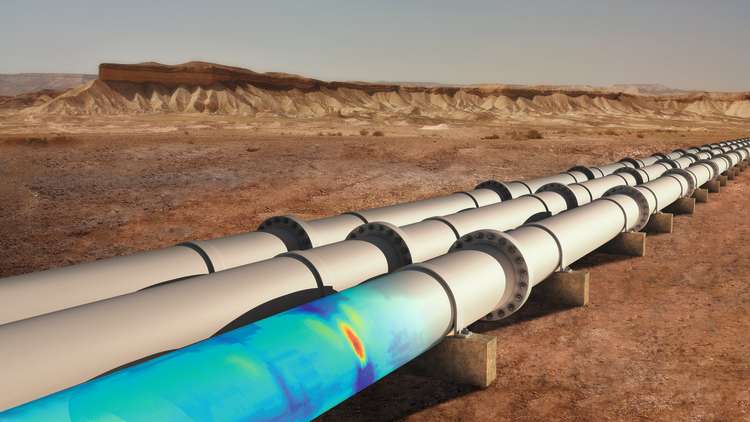
- Corrosion Monitoring: Data from sensors can reveal early signs of corrosion, enabling timely maintenance and reducing the risk of failures.
- Throughput Optimization: Analytics platforms help operators adjust flow rates and pressures to maximize efficiency and reduce energy costs.
- Incident Analysis: In the event of a failure, historical data can be analyzed to determine root causes and prevent recurrence. For further reading, see pipeline incident lessons learned.
These applications not only improve safety and reliability but also support sustainability goals by minimizing waste and environmental impact.
Challenges in Implementing Pipeline Data Analytics
Despite its advantages, deploying analytics in pipeline monitoring presents several challenges:
- Data Quality: Inaccurate or incomplete sensor data can lead to false alarms or missed events.
- Integration Complexity: Combining legacy systems with modern analytics platforms requires careful planning and investment.
- Cybersecurity: As pipelines become more connected, protecting sensitive data from cyber threats is essential.
- Scalability: Large pipeline networks generate massive data volumes, necessitating scalable storage and processing solutions.
Addressing these challenges involves selecting the right technology stack, investing in staff training, and establishing clear data governance policies.
Best Practices for Maximizing Analytics Value
To fully realize the benefits of analytics in pipeline monitoring, organizations should follow these best practices:
- Standardize Data Collection: Ensure that all sensors and devices adhere to common protocols for easier integration and analysis.
- Invest in Training: Equip staff with the skills needed to interpret analytics outputs and respond effectively to alerts.
- Automate Where Possible: Use automation to reduce manual intervention and speed up response times.
- Review and Update Models: Regularly assess the performance of analytics models and update them to reflect changing conditions.
- Collaborate Across Departments: Foster communication between operations, IT, and management to ensure analytics initiatives align with business goals.
For those interested in the latest advancements, reviewing emerging pipeline technologies can provide additional context on how analytics fits into the broader digital transformation of the industry.
Future Trends in Pipeline Monitoring and Analytics
The future of pipeline monitoring will be shaped by continued advances in artificial intelligence, edge computing, and digital twin technology. Predictive analytics will become more accurate as algorithms learn from larger datasets, while edge devices will enable real-time decision-making even in remote locations.
Digital twins—virtual replicas of physical assets—are increasingly used to simulate pipeline behavior under various scenarios. This approach, combined with analytics, allows operators to test responses to leaks, pressure changes, and other events without risking real-world consequences.
As regulatory requirements tighten and environmental concerns grow, the adoption of analytics-driven monitoring will only accelerate. Organizations that invest early in these technologies will be better positioned to ensure safety, efficiency, and compliance.
Frequently Asked Questions
How does pipeline data analytics improve leak detection?
By analyzing real-time sensor data, analytics platforms can identify subtle anomalies in flow or pressure that may indicate a leak. This enables faster detection and response, reducing the risk of environmental damage and costly repairs.
What types of data are used in pipeline monitoring?
Common data sources include flow rates, pressure readings, temperature measurements, vibration sensors, and historical maintenance records. Integrating these datasets provides a comprehensive view of pipeline health and performance.
What are the main challenges in adopting analytics for pipeline systems?
Key challenges include ensuring data quality, integrating new technologies with legacy infrastructure, maintaining cybersecurity, and scaling solutions to handle large volumes of data. Addressing these issues requires careful planning and investment.
Can analytics help with regulatory compliance?
Yes, analytics platforms can automate reporting, track compliance metrics, and provide documentation needed for audits. This reduces administrative burden and helps organizations meet regulatory standards more efficiently.
For further strategies on maintaining robust infrastructure, see pipeline system resilience for practical approaches to strengthening pipeline networks.