

Pipeline Flange Leak Problems
Pipeline systems are critical for transporting fluids and gases across industries, but they are not without their challenges. Among the most common maintenance concerns are pipeline flange leak issues, which can lead to safety hazards, environmental damage, and costly downtime. Understanding the causes, detection methods, and prevention strategies for these leaks is essential for operators, engineers, and maintenance teams.
Flanges are the connecting points between sections of pipe, valves, or equipment. While designed for strength and reliability, these joints are also vulnerable to leaks due to mechanical stress, improper installation, corrosion, and aging gaskets. Addressing leakage at these points requires a combination of good design, regular inspection, and prompt repair.
For those interested in learning about related challenges, such as pipeline joint leak issues, exploring these topics together can provide a more comprehensive understanding of pipeline integrity.
Common Causes of Flange Leaks in Pipelines
Several factors contribute to the development of leaks at flange connections. Recognizing these root causes is the first step in preventing and managing pipeline flange leak issues:
- Gasket Failure: Gaskets provide the seal between flange faces. Over time, they can degrade due to chemical attack, temperature cycling, or improper material selection.
- Improper Bolt Torque: Uneven or insufficient tightening of flange bolts can prevent the gasket from sealing properly, leading to leaks.
- Corrosion: Exposure to moisture, chemicals, or corrosive environments can weaken flange materials and create pathways for fluid escape.
- Mechanical Stress: Vibration, thermal expansion, or misalignment of piping can stress flanges and compromise the seal.
- Poor Installation Practices: Skipping steps during assembly, using incorrect tools, or failing to clean mating surfaces can all result in leaks.
Each of these factors can act alone or in combination, making regular inspection and maintenance vital for leak prevention.
Detecting Pipeline Flange Leak Issues Early
Early detection of leaks is crucial for minimizing risk and reducing repair costs. Operators use a variety of techniques to identify leaks at flanged joints:
- Visual Inspection: Routine checks for drips, stains, or corrosion around flanges can reveal leaks before they worsen. For more on this approach, see visual pipeline leak inspection.
- Pressure Testing: Hydrostatic or pneumatic tests can help confirm the integrity of flange connections.
- Acoustic Monitoring: Specialized sensors detect the sound of escaping fluids, even when leaks are not visible.
- Gas Detection: Portable or fixed detectors can sense the presence of hazardous gases near flanges, indicating a leak.
- Advanced Imaging: Technologies like thermal imaging for leak detection and ground penetrating radar leak detection can pinpoint leaks that are hidden from view.
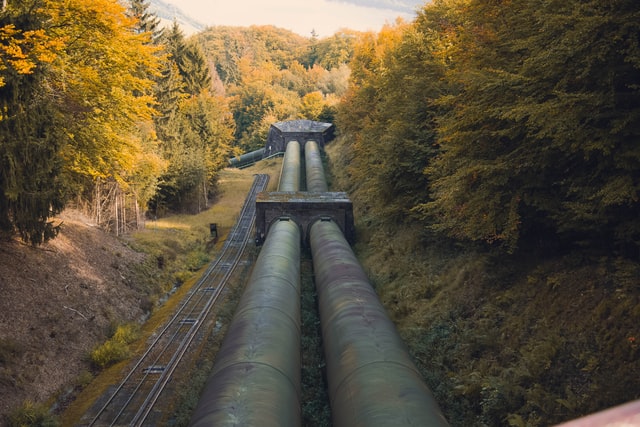
Timely identification of leaks helps prevent escalation into larger failures, environmental contamination, or regulatory violations.
Risks Associated with Leaking Flanges
Unchecked pipeline flange leak issues can have serious consequences for safety, operations, and the environment:
- Safety Hazards: Leaks may release toxic, flammable, or pressurized substances, posing risks to personnel and nearby communities.
- Environmental Impact: Escaping fluids can contaminate soil, groundwater, or surface water, leading to regulatory penalties and cleanup costs.
- Operational Downtime: Repairing leaks often requires shutting down sections of the pipeline, disrupting supply and incurring financial losses.
- Equipment Damage: Persistent leaks can corrode surrounding equipment, leading to more extensive repairs.
Addressing leaks promptly is not just a matter of compliance but also of operational efficiency and corporate responsibility.
Best Practices for Preventing Flange Leaks
Prevention is always preferable to repair. Here are proven strategies for minimizing the risk of leaks at flange connections:
- Proper Gasket Selection: Choose gasket materials compatible with the process fluid, temperature, and pressure conditions.
- Correct Bolt Tightening: Use calibrated torque wrenches and follow manufacturer-recommended patterns to ensure even compression.
- Routine Maintenance: Inspect flanges regularly for signs of wear, corrosion, or loosening. Replace gaskets and bolts as needed.
- Training and Procedures: Ensure installation teams are trained in best practices and follow documented procedures.
- Use of Smart Components: Consider integrating smart valves and sensors to monitor flange integrity and detect leaks in real time.
Implementing these measures reduces the likelihood of leaks and extends the service life of pipeline assets.

Repair and Remediation Options
When leaks do occur, prompt and effective repair is essential. The appropriate remediation method depends on the severity and location of the leak:
- Gasket Replacement: For minor leaks, replacing the gasket and re-torquing bolts may restore the seal.
- Flange Resurfacing: Damaged flange faces can be machined or polished to restore a smooth, sealing surface.
- Clamp or Enclosure: Temporary clamps or enclosures can contain leaks until a permanent repair is possible.
- Section Replacement: Severely corroded or damaged flanges may require replacement of the entire section.
It is important to follow safety protocols and, where necessary, consult with specialists to ensure repairs are effective and compliant with industry standards.
Signs and Symptoms of Flange Leaks
Recognizing the early warning signs of flange leaks can help prevent more serious failures. Some common indicators include:
- Visible drips or pooling fluid near flange joints
- Unusual odors or hissing sounds
- Corrosion or discoloration around the flange area
- Pressure drops in the system
- Activation of gas or fluid detectors
For a more detailed overview of warning signs, refer to this guide to signs your pipeline is leaking.
Testing and Verification Methods
Ensuring the integrity of flange connections involves a combination of testing and verification:
- Hydrostatic Testing: Filling the pipeline with water and pressurizing it to check for leaks. For more details, see pipeline hydrostatic testing explained.
- Helium Leak Testing: Using helium as a tracer gas to detect even the smallest leaks.
- Ultrasonic Testing: Employing sound waves to detect flaws or leaks in flange areas.
These methods help verify repairs and ensure ongoing reliability of the pipeline system.
Frequently Asked Questions
What are the most common reasons for flange leaks in pipelines?
The most frequent causes include gasket failure, improper bolt tightening, corrosion, mechanical stress, and poor installation practices. Each of these factors can compromise the seal and allow fluids or gases to escape.
How can operators detect leaks at flange connections early?
Early detection relies on regular visual inspections, pressure testing, acoustic monitoring, gas detection, and advanced imaging technologies. Integrating these methods into maintenance routines helps identify leaks before they become severe.
What steps can be taken to prevent flange leaks?
Prevention involves selecting the right gasket materials, ensuring correct bolt torque, performing routine maintenance, training installation teams, and considering the use of smart monitoring devices to track flange integrity.