

Pipeline Leaks During Construction
Managing a pipeline leak during construction is one of the most critical challenges facing project managers, engineers, and contractors in the energy, water, and industrial sectors. Leaks at this stage can cause significant delays, increase costs, and introduce safety and environmental hazards. Understanding the causes, detection methods, and best practices for prevention is essential for anyone involved in pipeline installation or oversight.
Leaks in new pipelines are not only a technical issue but also a matter of regulatory compliance and public trust. Early identification and remediation can prevent extensive damage and ensure that projects stay on schedule. For those seeking a deeper dive into related issues, exploring pipeline joint leak issues can provide additional insights into common vulnerabilities and solutions.
Common Causes of Leaks in Pipeline Construction
Several factors can contribute to a pipeline leak during construction. Recognizing these root causes is the first step in developing effective prevention and mitigation strategies:
- Poor Joint Assembly: Improperly fitted or inadequately sealed joints are a leading cause of leaks. Even minor misalignments can compromise integrity.
- Material Defects: Flaws in pipe materials, such as cracks, corrosion, or manufacturing defects, may go unnoticed until pressure testing exposes them.
- Inadequate Welding: Substandard welds or incomplete fusion can create weak points, especially in steel or metal pipelines.
- Physical Damage: Heavy equipment, accidental impacts, or improper handling during installation can damage pipes and fittings.
- Environmental Conditions: Shifting soil, temperature fluctuations, and water ingress can stress pipeline sections and lead to leaks.
Addressing these issues early is crucial. For example, using advanced inspection techniques like visual leak inspection can help spot potential problems before they escalate.
Detection Methods for Construction-Phase Pipeline Leaks
Timely detection of leaks during construction can save significant resources and prevent future failures. Several methods are commonly used, each with its own advantages:
- Visual Inspections: Regular walkthroughs and close examination of joints, welds, and exposed sections often reveal obvious leaks or weaknesses.
- Hydrostatic Testing: Filling the pipeline with water and pressurizing it above operating levels can expose leaks. Learn more about this process in pipeline hydrostatic testing.
- Thermal Imaging: Infrared cameras can detect temperature differences caused by escaping fluids, making it easier to pinpoint hidden leaks. More details are available in the thermal imaging leak detection guide.
- Ground Penetrating Radar: This technology identifies anomalies in the soil that may indicate fluid escape, as described in ground penetrating radar leak detection.
- Acoustic Monitoring: Specialized sensors listen for the sound signature of escaping gas or liquid, allowing for early warning.
Combining multiple detection methods increases the likelihood of identifying leaks before they become critical.
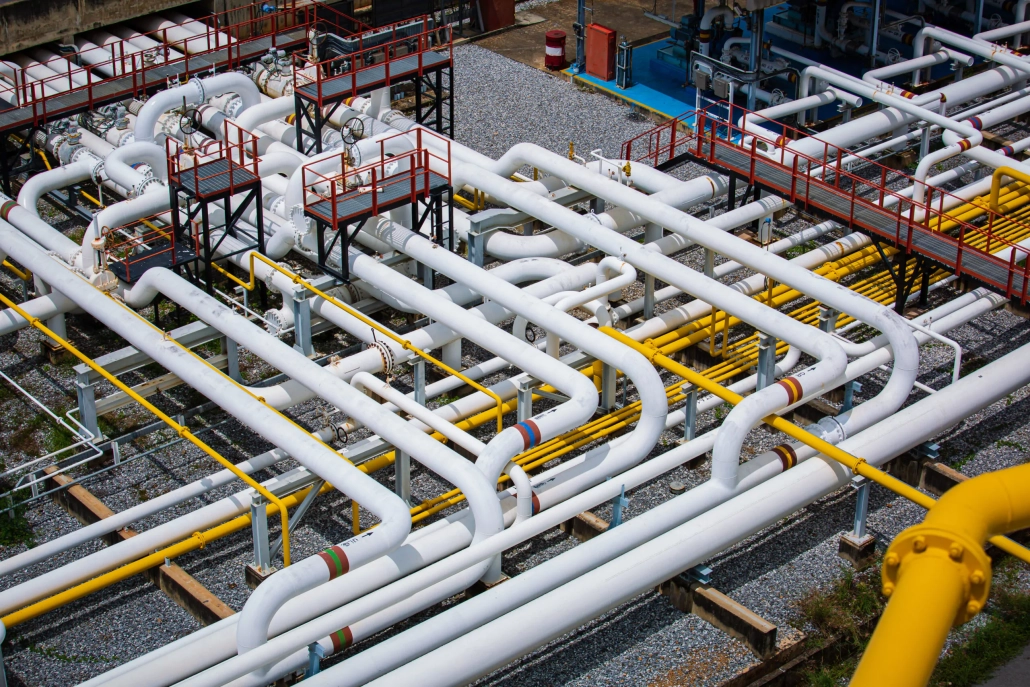
Risks and Consequences of Leaks During Installation
When a pipeline leak during construction is not addressed promptly, the consequences can be severe:
- Project Delays: Leaks often halt work until repairs are complete, impacting timelines and contractual obligations.
- Cost Overruns: Repairing leaks, replacing damaged sections, and conducting additional tests can significantly increase project expenses.
- Environmental Impact: Escaping fluids, especially hazardous substances, can contaminate soil and water, leading to regulatory fines and remediation costs.
- Safety Hazards: Leaks can create dangerous working conditions, including fire, explosion, or exposure to toxic substances.
- Reputation Damage: Repeated incidents can erode trust with stakeholders, regulators, and the public.
Mitigating these risks requires a proactive approach, including robust quality control and the use of advanced monitoring technologies. For a deeper understanding of leak detection technologies, review this research article on pipeline leak detection and localization.
Best Practices for Preventing Leaks in New Pipelines
Prevention is always more effective and less costly than remediation. Here are some industry best practices to minimize the risk of leaks during construction:
- Quality Materials: Source pipes, joints, and fittings from reputable manufacturers with proven quality control standards.
- Skilled Labor: Ensure that all installation work is performed by certified professionals trained in the latest construction techniques.
- Thorough Inspection: Conduct regular inspections at every stage, from material delivery to final pressure testing.
- Proper Handling: Use appropriate lifting and transport equipment to avoid damaging pipes during movement and installation.
- Documentation: Keep detailed records of all construction activities, inspections, and repairs for accountability and future reference.
- Use of Smart Technologies: Integrate smart valves and sensors to monitor pressure, flow, and detect anomalies in real time.
Implementing these practices can dramatically reduce the likelihood of leaks and ensure a smoother construction process.
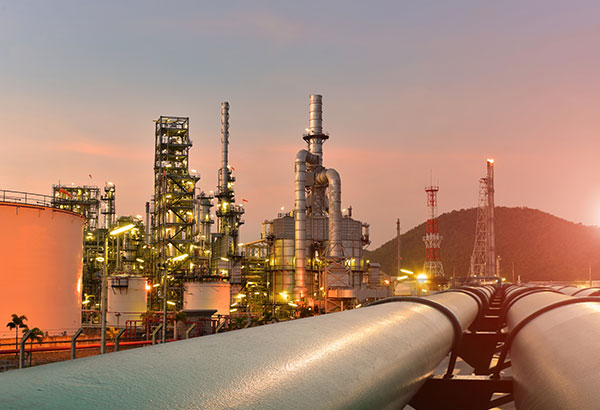
Integrating Leak Detection into Construction Workflows
Modern pipeline projects increasingly rely on integrated leak detection systems from the earliest construction phases. These systems combine hardware and software to provide continuous monitoring, enabling teams to respond quickly to any sign of trouble. Key elements include:
- Real-Time Data Collection: Sensors installed along the pipeline transmit data on pressure, flow, and temperature to a centralized dashboard.
- Automated Alerts: When anomalies are detected, the system can trigger alarms and even initiate automatic shut-off protocols to minimize damage.
- Data Analytics: Advanced analytics help identify patterns and predict potential failure points, allowing for targeted inspections and maintenance.
Adopting these technologies not only improves safety but also streamlines compliance with regulatory requirements.
FAQ: Addressing Pipeline Leaks During Construction
What are the first steps when a leak is detected during pipeline construction?
When a leak is identified, the immediate priority is to stop work in the affected area and isolate the section to prevent further fluid loss. The next steps include assessing the cause, documenting the incident, and implementing repairs according to industry standards. After repairs, retesting is essential to confirm integrity before resuming construction.
How can project teams minimize the risk of leaks in new pipelines?
Risk can be reduced by using high-quality materials, ensuring skilled installation, conducting regular inspections, and integrating advanced leak detection technologies. Training workers to recognize early warning signs and respond appropriately is also crucial for prevention.
Are there specific technologies recommended for leak detection during construction?
Yes, a combination of methods is often most effective. Visual inspections, hydrostatic testing, thermal imaging, and ground penetrating radar are widely used. Smart sensors and valves can provide real-time monitoring and automated response, further enhancing safety and reliability.
Addressing a pipeline leak during construction requires a blend of technical expertise, proactive planning, and the right tools. By following best practices and leveraging modern detection technologies, construction teams can minimize risks, protect the environment, and deliver projects on time and within budget.