
Pipeline Leak Reporting Tools
Pipeline integrity is a critical concern for industries transporting oil, gas, water, and chemicals. Even minor leaks can lead to environmental damage, financial losses, and safety hazards. As a result, pipeline leak reporting tools have become essential for operators seeking to detect, report, and address leaks quickly and efficiently. These solutions combine advanced sensors, software, and communication systems to streamline monitoring and response.
Modern reporting platforms not only help in early leak detection but also support regulatory compliance and operational transparency. By leveraging real-time data and automated alerts, organizations can reduce downtime, minimize risks, and protect both assets and communities. For those interested in broader pipeline management strategies, resources like emerging pipeline technologies provide valuable insights into the latest innovations shaping the industry.
Key Features of Modern Leak Detection and Reporting Solutions
Today’s pipeline leak reporting tools are more than just simple alert systems. They integrate a range of features designed to enhance accuracy, speed, and usability. Some of the most important capabilities include:
- Real-Time Monitoring: Continuous surveillance using sensors and IoT devices enables instant detection of anomalies in pressure, flow, or temperature.
- Automated Alerts: When a potential leak is detected, the system automatically notifies relevant personnel via SMS, email, or dedicated apps.
- Data Visualization: Dashboards provide clear visual representations of pipeline status, helping operators quickly assess situations and prioritize responses.
- Incident Logging and Reporting: All events are logged with timestamps, location data, and response actions, supporting compliance and post-incident analysis.
- Integration with SCADA and GIS: Seamless connectivity with Supervisory Control and Data Acquisition (SCADA) and Geographic Information Systems (GIS) enhances situational awareness.
These features empower teams to act swiftly, reducing the impact of leaks and ensuring a coordinated response.
Types of Pipeline Leak Reporting Tools
There are several categories of solutions available, each suited to different pipeline environments and operational needs. Understanding these options helps organizations select the right fit for their infrastructure.
Sensor-Based Detection Platforms
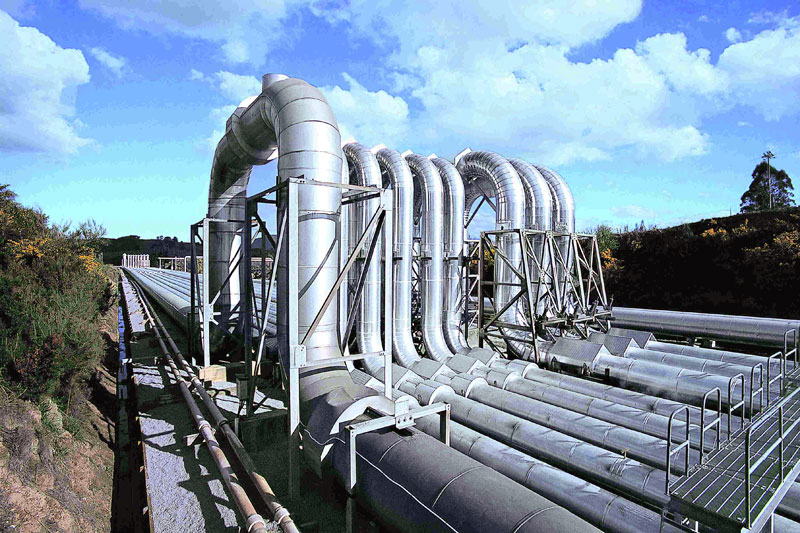
Sensor-driven systems use a network of devices installed along the pipeline to monitor for changes in pressure, flow, or acoustic signals. When readings deviate from expected values, the system triggers an alert and logs the event. These platforms are highly effective for both above-ground and buried pipelines, providing granular data for analysis.
Software-Driven Reporting Systems
Cloud-based and on-premises software platforms aggregate data from sensors, manual inspections, and third-party sources. These systems automate the reporting process, generate compliance-ready documentation, and facilitate communication between field teams and management. Many solutions offer mobile apps for on-the-go reporting and status updates.
Integrated Leak Detection and Communication Tools
Some advanced tools combine detection, reporting, and stakeholder communication in a single platform. This integration ensures that once a leak is identified, all relevant parties—operators, emergency responders, and regulators—are informed promptly. For organizations seeking to improve their communication protocols, exploring resources on pipeline stakeholder communication can be beneficial.
Benefits of Effective Leak Reporting Solutions
Implementing robust pipeline leak reporting tools delivers a range of operational and strategic advantages:
- Faster Response Times: Automated alerts and clear reporting channels enable teams to address leaks before they escalate.
- Regulatory Compliance: Detailed incident logs and standardized reports help meet industry and governmental requirements.
- Reduced Environmental Impact: Early detection and rapid response minimize the release of hazardous substances.
- Cost Savings: Preventing major incidents reduces repair costs, legal liabilities, and downtime.
- Enhanced Reputation: Demonstrating a commitment to safety and transparency builds trust with stakeholders and the public.
For organizations focused on building a proactive safety culture, the article on pipeline leak prevention culture offers practical strategies to complement technical solutions.
Choosing the Right Leak Reporting Platform
Selecting the most suitable tool depends on several factors, including pipeline type, regulatory environment, and organizational goals. Here are key considerations:
- Pipeline Characteristics: Consider the length, material, and location of the pipeline. Some tools are optimized for specific environments, such as remote or urban areas.
- Integration Needs: Ensure compatibility with existing SCADA, GIS, and asset management systems.
- Scalability: Choose solutions that can grow with your network and adapt to evolving regulatory requirements.
- User Experience: Intuitive interfaces and mobile accessibility improve adoption and effectiveness.
- Support and Training: Reliable vendor support and comprehensive training resources are essential for successful implementation.
Consulting with industry experts and reviewing case studies can help narrow down the options. For a deeper dive into system resilience and incident management, see the guide on pipeline system resilience.
Industry Standards and Compliance Considerations
Adhering to industry standards is crucial for both safety and legal compliance. Many regions require operators to maintain detailed records of leak incidents and demonstrate the effectiveness of their reporting processes. Modern tools are designed to support these requirements by:
- Generating standardized incident reports suitable for submission to regulators.
- Maintaining secure, auditable logs of all detection and response activities.
- Facilitating regular testing and validation of detection systems.
For technical insights into how leak detection works in practice, the application note on pipeline leak detection provides a comprehensive overview of methodologies and best practices.
Best Practices for Implementation and Continuous Improvement
Deploying a new leak reporting system is only the first step. To maximize benefits, organizations should:
- Conduct regular training sessions for field and control room staff.
- Establish clear protocols for incident escalation and communication.
- Periodically review and update detection thresholds to reflect changing operating conditions.
- Engage in post-incident reviews to identify lessons learned and refine processes. For more on this, see pipeline incident lessons learned.
- Collaborate with industry peers to share knowledge and benchmark performance.
Continuous improvement ensures that leak reporting remains effective as technology and regulatory landscapes evolve.
Frequently Asked Questions
What are the main benefits of using digital leak reporting systems?
Digital solutions provide real-time monitoring, automated alerts, and comprehensive reporting. These features help operators detect leaks faster, respond more effectively, and maintain compliance with industry regulations.
How do pipeline leak reporting platforms integrate with existing infrastructure?
Most modern tools are designed to work alongside SCADA, GIS, and asset management systems. This integration allows for seamless data sharing and coordinated response efforts across different departments.
Are these tools suitable for both new and legacy pipelines?
Yes, many reporting solutions are adaptable to a wide range of pipeline types and ages. Sensor-based systems can be retrofitted to older infrastructure, while software platforms can aggregate data from various sources regardless of pipeline age.