

Seasonal Factors Affecting Pipeline Leaks
Understanding how the changing seasons influence pipeline leak seasonal factors is crucial for operators, engineers, and maintenance teams. Weather patterns, temperature swings, and environmental conditions can all contribute to the frequency and severity of leaks in water, oil, and gas pipelines. By examining these seasonal influences, organizations can better anticipate risks, plan maintenance, and implement advanced monitoring solutions.
Pipelines are designed to withstand a range of environmental challenges, but no system is immune to the effects of nature. From winter freezes to summer heatwaves, each season brings its own set of stressors that can accelerate wear, cause material fatigue, or trigger unexpected failures. Proactive management, informed by an understanding of these patterns, is essential for minimizing downtime and environmental impact.
For those interested in leveraging digital tools to improve leak detection, pipeline digital twins for leak detection offer a modern approach to monitoring and response.
How Weather Patterns Influence Pipeline Integrity
Seasonal changes in weather can have a direct impact on the health of pipeline infrastructure. Fluctuations in temperature, humidity, and precipitation all play a role in determining how pipelines age and where leaks are most likely to occur.
- Temperature Extremes: Rapid shifts between hot and cold can cause expansion and contraction in pipeline materials. Over time, this thermal cycling can weaken joints and welds, increasing the risk of leaks.
- Heavy Rainfall and Flooding: Excessive moisture can erode soil around pipelines, leading to ground movement or even exposure. Flooding may also introduce contaminants that accelerate corrosion.
- Humidity and Condensation: High humidity can lead to condensation on metal surfaces, especially during seasonal transitions. This moisture can promote rust and internal corrosion, particularly in older systems.
These environmental factors are especially relevant for regions that experience dramatic seasonal changes. By tracking weather data and correlating it with leak incidents, operators can identify patterns and focus preventive efforts where they are most needed.
Winter Hazards: Freezing Temperatures and Pipeline Leaks
Cold weather presents unique challenges for pipeline systems. As temperatures drop, water inside or around pipelines can freeze, leading to increased internal pressure and the potential for ruptures.
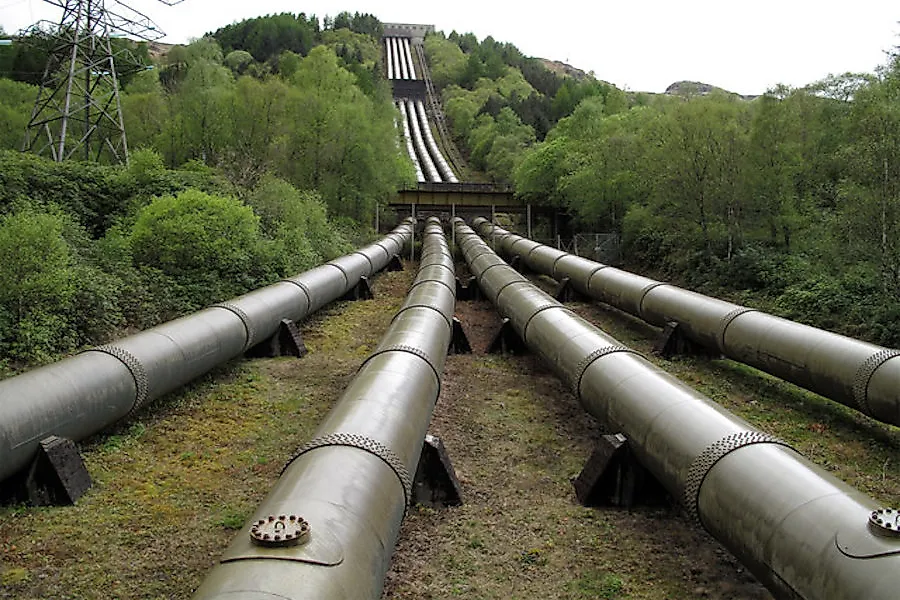
Some of the most common winter-related pipeline leak seasonal factors include:
- Frost Heave: When the ground freezes and thaws, it can shift and place stress on buried pipelines, causing cracks or joint failures.
- Ice Blockages: Water pipelines are especially vulnerable to ice formation, which can block flow and increase pressure until a leak occurs.
- Material Brittleness: Many metals become more brittle at low temperatures, making them more susceptible to sudden fractures under stress.
To mitigate these risks, regular inspections and the use of insulation or heating systems are recommended. In addition, adopting advanced monitoring solutions can help detect early signs of stress before a major leak develops.
Summer and Heat-Related Stress on Pipelines
While winter brings freezing hazards, summer introduces its own set of challenges. High temperatures can cause pipeline materials to expand, and prolonged heat can accelerate chemical reactions that degrade protective coatings.
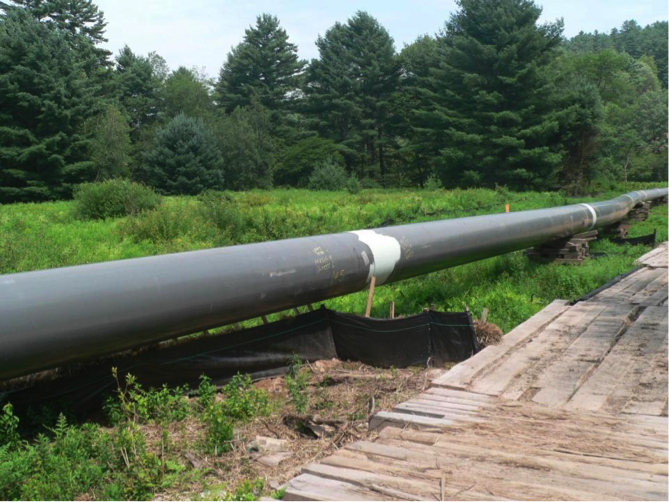
Key summer-related factors include:
- Thermal Expansion: As pipelines heat up, they expand. If not properly accounted for in the design, this can lead to buckling or stress at fixed points.
- UV Degradation: Above-ground pipelines are exposed to sunlight, and ultraviolet rays can break down coatings and weaken materials over time.
- Soil Drying and Shifting: Drought conditions can cause soil to contract, potentially disturbing the alignment of buried pipelines and increasing the risk of leaks at joints or bends.
Routine maintenance and the use of UV-resistant coatings are effective strategies for reducing summer-related leak risks. Monitoring ground movement and soil conditions can also help operators respond quickly to emerging threats.
Spring and Autumn: Transitional Risks for Pipelines
The transitional seasons of spring and autumn are marked by frequent temperature swings and increased precipitation. These changes can be particularly challenging for pipeline integrity.
- Freeze-Thaw Cycles: Rapid shifts between freezing and thawing can create micro-cracks in pipeline materials, which may grow over time and eventually result in leaks.
- Increased Rainfall: Saturated soils can lead to erosion or landslides, exposing pipelines or causing them to shift.
- Vegetation Growth: In spring, increased plant growth can lead to root intrusion, especially in older or damaged pipelines.
Operators should pay close attention to weather forecasts and schedule inspections during these transitional periods. Early detection of minor issues can prevent more serious failures as the seasons progress.
Corrosion and Environmental Exposure Throughout the Year
Corrosion is a year-round concern, but its rate and severity can fluctuate with seasonal changes. Moisture, temperature, and soil chemistry all influence how quickly pipelines degrade.
Some of the most significant contributors to corrosion include:
- Salt Application in Winter: In colder climates, road salt can seep into the ground and accelerate corrosion in nearby pipelines.
- Acidic Soils: Seasonal rainfall can alter soil chemistry, increasing acidity and the risk of corrosion.
- Condensation: As temperatures fluctuate, condensation can form inside and outside pipelines, providing a pathway for rust and other forms of corrosion.
Implementing protective coatings, cathodic protection, and regular monitoring are essential strategies for managing corrosion risks. For a step-by-step approach to addressing leaks, review the pipeline leak restoration steps guide.
Technological Solutions for Managing Seasonal Leak Risks
Modern technology offers a range of tools to help operators manage the impact of seasonal factors on pipeline leaks. From real-time sensors to predictive analytics, these solutions enable proactive maintenance and rapid response.
- Smart Valves and Sensors: Automated valves and pressure sensors can detect anomalies and shut down sections of pipeline before a minor issue becomes a major leak.
- Digital Twins: Virtual models of pipeline systems allow operators to simulate seasonal scenarios and plan maintenance accordingly.
- Remote Monitoring: Continuous data collection helps identify trends and predict when and where leaks are most likely to occur.
For more on the latest advancements, explore emerging pipeline technologies that are shaping the future of leak detection and prevention.
Best Practices for Seasonal Pipeline Maintenance
A comprehensive maintenance plan is the key to reducing the impact of pipeline leak seasonal factors. Here are some best practices:
- Schedule Seasonal Inspections: Plan detailed inspections before and after periods of extreme weather to catch early signs of damage.
- Monitor Environmental Data: Use weather and soil data to anticipate risks and adjust maintenance schedules accordingly.
- Invest in Protective Measures: Apply coatings, install insulation, and use cathodic protection to shield pipelines from environmental stressors.
- Train Response Teams: Ensure that staff are prepared to respond quickly to leaks, especially during high-risk seasons.
Learning from past incidents is also invaluable. Review pipeline incident lessons learned to understand how others have addressed seasonal challenges.
Responding to Leaks: Immediate Steps and Long-Term Strategies
When a leak is detected, immediate action is essential to minimize damage. The response should include:
- Isolating the Affected Section: Use smart valves or manual controls to stop the flow and contain the leak.
- Assessing the Cause: Determine whether seasonal factors such as freezing, flooding, or soil movement played a role.
- Repair and Restoration: Follow established protocols to repair the pipeline and restore service safely.
For a detailed overview of how to handle these situations, consult resources like how to identify and respond to pipeline leaks, which covers both detection and emergency response.
Long-term strategies should focus on resilience. For guidance on building robust systems, see pipeline system resilience strategies.
FAQ: Seasonal Impacts on Pipeline Leaks
What are the most common seasonal causes of pipeline leaks?
The most frequent seasonal causes include temperature extremes (both hot and cold), freeze-thaw cycles, heavy rainfall, soil movement, and increased corrosion due to environmental exposure. Each of these factors can stress pipeline materials and joints, leading to leaks.
How can pipeline operators prepare for seasonal risks?
Operators should implement regular inspections, monitor environmental data, use protective coatings and insulation, and invest in advanced monitoring technologies. Training response teams and planning maintenance around seasonal changes are also critical steps.
Are certain types of pipelines more vulnerable to seasonal factors?
Yes, older pipelines and those made from materials susceptible to corrosion or brittleness are generally more at risk. Pipelines in regions with significant temperature swings, high rainfall, or shifting soils also face increased vulnerability.
By understanding and addressing the various pipeline leak seasonal factors, operators can reduce the risk of leaks, protect the environment, and ensure reliable service throughout the year.