
Pipeline Predictive Maintenance Strategies
The integrity and reliability of pipeline infrastructure are essential for energy, water, and industrial sectors worldwide. As these networks age and demands increase, the need for pipeline predictive maintenance has never been more critical. By leveraging advanced monitoring technologies, data analytics, and proactive planning, operators can minimize downtime, prevent costly failures, and extend asset life.
This article explores proven approaches to predictive maintenance for pipelines, highlighting the latest methods, technologies, and best practices. Whether you manage oil, gas, water, or chemical pipelines, understanding these strategies can help you reduce risks and optimize performance. For those interested in digital transformation, you may also want to learn about pipeline digital twins for leak detection and how they enhance monitoring and early warning capabilities.
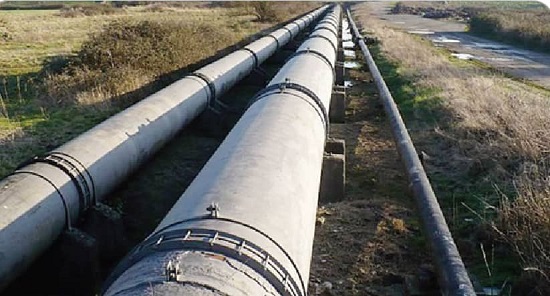
Understanding Predictive Maintenance for Pipelines
Traditional maintenance approaches, such as reactive or scheduled servicing, often fall short in preventing unexpected failures. Predictive maintenance uses real-time data and analytics to anticipate issues before they escalate. This proactive approach relies on a combination of sensors, inspection tools, and software to monitor pipeline health and predict when maintenance is needed.
Key benefits of predictive maintenance include:
- Reduced unplanned downtime by addressing issues early
- Lower maintenance costs through targeted interventions
- Improved safety and environmental protection
- Extended asset lifespan and optimized resource allocation
By shifting from reactive to predictive strategies, operators can make informed decisions that protect both their assets and the environment.
Core Technologies in Pipeline Predictive Maintenance
Modern predictive maintenance strategies combine hardware and software innovations. The following technologies play a central role in enabling accurate, timely insights:
- Smart sensors and IoT devices: These collect continuous data on pressure, temperature, flow, vibration, and corrosion.
- Inline inspection tools (pigs): Robotic devices travel inside pipelines to detect cracks, wall thinning, and other anomalies.
- Remote monitoring platforms: Cloud-based systems aggregate and analyze data from multiple sources, providing operators with actionable alerts.
- Machine learning and AI: Advanced algorithms identify patterns and predict failures based on historical and real-time data.
For example, the use of emerging pipeline technologies has accelerated the adoption of AI-powered analytics and digital twins, further enhancing predictive capabilities.

Implementing a Predictive Maintenance Program
Building an effective predictive maintenance program for pipelines involves several key steps:
- Asset inventory and risk assessment: Catalog all pipeline assets, assess their criticality, and identify potential failure modes.
- Sensor deployment: Install appropriate sensors and monitoring equipment at strategic locations along the pipeline.
- Data collection and integration: Ensure seamless data flow from field devices to centralized analytics platforms.
- Condition-based analytics: Use software to analyze trends, detect anomalies, and generate predictive alerts.
- Maintenance planning: Schedule interventions based on data-driven insights, prioritizing high-risk areas.
- Continuous improvement: Regularly review outcomes, update models, and refine strategies as new data becomes available.
A robust predictive maintenance program not only prevents failures but also supports compliance with regulatory requirements and industry standards.
Common Challenges and Solutions
While predictive maintenance offers significant advantages, operators may encounter obstacles such as:
- Data quality and integration: Inconsistent or incomplete data can undermine predictive accuracy. Investing in reliable sensors and standardized data protocols is essential.
- Change management: Shifting from traditional maintenance to predictive approaches requires staff training and cultural adaptation.
- Cybersecurity: Increased connectivity introduces new risks. Implementing strong security measures protects sensitive operational data.
- Cost considerations: Upfront investment in technology can be high, but long-term savings and risk reduction often justify the expense.
Learning from industry experience is invaluable. Reviewing pipeline incident lessons learned can help organizations avoid common pitfalls and refine their strategies.
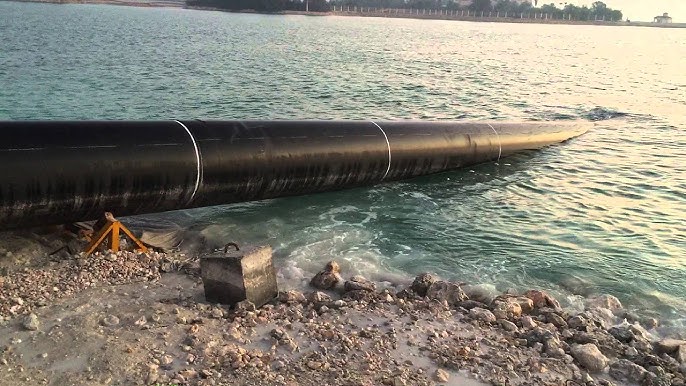
Key Indicators for Pipeline Health Monitoring
Effective predictive maintenance relies on tracking specific indicators that signal potential issues. Some of the most important metrics include:
- Pressure fluctuations that may indicate leaks or blockages
- Temperature anomalies suggesting insulation problems or product contamination
- Vibration patterns linked to mechanical stress or pump failures
- Corrosion rates monitored through inline inspection and sensor data
Timely detection of these indicators allows for targeted interventions, reducing the risk of major incidents. For more on addressing leaks, see this guide to recognizing signs your pipeline needs leak sealing.
Integrating Predictive Maintenance with Broader Pipeline Management
Predictive maintenance should not operate in isolation. Integrating it with broader asset management and resilience planning ensures a holistic approach to pipeline safety and performance. This includes:
- Coordinating with emergency response and restoration teams (pipeline leak restoration steps)
- Aligning with digital transformation initiatives, such as digital twins and advanced analytics
- Incorporating lessons from past incidents and adapting to evolving regulatory requirements
- Developing comprehensive resilience strategies (pipeline system resilience)
By embedding predictive maintenance within the overall pipeline management framework, organizations can achieve greater reliability, safety, and cost-effectiveness.
Frequently Asked Questions
What is the difference between predictive and preventive maintenance for pipelines?
Preventive maintenance involves scheduled servicing based on time or usage intervals, regardless of actual equipment condition. Predictive maintenance, on the other hand, uses real-time data and analytics to determine the optimal timing for interventions, targeting maintenance only when indicators suggest a potential issue.
How do smart valves and sensors contribute to predictive maintenance?
Smart valves and sensors continuously monitor critical parameters such as pressure, flow, and temperature. They provide the data needed for predictive analytics, enabling early detection of anomalies and supporting timely maintenance actions.
What are the main challenges in adopting predictive maintenance for pipelines?
Key challenges include ensuring data quality, integrating diverse data sources, managing cybersecurity risks, and overcoming resistance to change within organizations. Addressing these challenges requires investment in technology, staff training, and a commitment to continuous improvement.