

Impact of Pipeline Leaks on Wildlife
Pipeline systems are essential for transporting oil, gas, and other resources across vast distances. However, when leaks occur, the consequences can be severe—especially for the natural world. Understanding the pipeline leak impact on wildlife is crucial for both industry professionals and environmental advocates who seek to minimize harm and promote sustainable practices.
Leaks in pipelines can release hazardous substances into the environment, affecting ecosystems and the creatures that inhabit them. From direct exposure to toxic chemicals to the long-term disruption of habitats, these incidents present a range of challenges. As infrastructure ages and the demand for resources grows, addressing these risks becomes even more important. For those interested in how modern technology is helping to address these issues, pipeline modernization technologies are playing a growing role in prevention and mitigation.
How Pipeline Leaks Affect Wildlife and Habitats
The immediate effects of a pipeline breach can be devastating for local wildlife. Toxic substances, such as crude oil or refined fuels, often spread quickly through soil and water, contaminating the habitats of countless species. Birds, mammals, amphibians, and aquatic life are all at risk of exposure, which can lead to poisoning, reproductive issues, and even death.
Aquatic environments are particularly vulnerable. When leaks reach rivers, lakes, or wetlands, the contamination can suffocate fish, disrupt breeding grounds, and destroy food sources. Birds that rely on these habitats may ingest toxins while feeding or become coated in oil, impairing their ability to fly and regulate body temperature.
On land, the impact can be just as severe. Small mammals and insects may come into direct contact with hazardous materials, while larger animals may suffer from contaminated drinking water or loss of food sources. Over time, these disruptions can lead to population declines and reduced biodiversity in affected areas.
Long-Term Consequences of Pipeline Leaks on Ecosystems
Beyond the immediate aftermath, the pipeline leak impact on wildlife often extends for years or even decades. Persistent chemicals can remain in the environment, gradually accumulating in the food chain. This process, known as bioaccumulation, poses a threat not only to individual animals but also to entire populations and the predators that rely on them.
Habitats may take a long time to recover from contamination. Soil and water remediation efforts can be costly and time-consuming, and some sensitive environments may never fully return to their original state. In some cases, the introduction of pollutants can lead to the spread of invasive species, further destabilizing local ecosystems.
The disruption of natural processes—such as pollination, seed dispersal, and nutrient cycling—can have ripple effects throughout the ecosystem. As certain species decline or disappear, the balance of the environment shifts, sometimes in unpredictable ways.
Detection and Prevention: Reducing the Risks to Wildlife
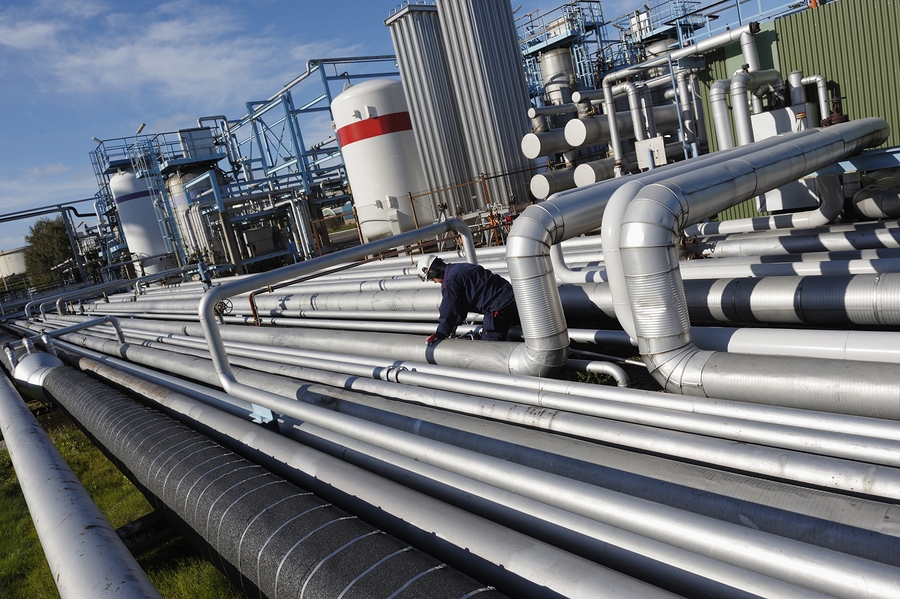
Early detection of leaks is one of the most effective ways to reduce environmental harm. Advances in pipeline leak detection technology, such as sensors and real-time monitoring, enable operators to quickly identify and address issues before they escalate. For a deeper look at these technologies, see this overview of modern pipeline leak detection methods.
Preventive maintenance and regular inspections are also vital. By identifying weak points, corrosion, or other vulnerabilities, pipeline operators can take action before a leak occurs. This approach is especially important for aging infrastructure, where the risk of failure is higher. For more on this topic, explore the challenges of pipeline aging infrastructure and how proactive strategies can help.
In addition, the use of advanced materials and protective coatings can extend the lifespan of pipelines and reduce the likelihood of leaks. Implementing best practices for construction, operation, and emergency response further minimizes the potential for environmental damage.
Case Studies: Real-World Examples of Wildlife Harm
Numerous incidents have highlighted the dangers posed by pipeline failures. In some cases, large spills have resulted in the deaths of thousands of fish, birds, and mammals. Wetland habitats, which are often home to rare or endangered species, are especially susceptible to long-term damage.
For example, oil spills in river systems have led to the closure of fisheries and the loss of critical breeding grounds for aquatic species. In forested areas, contamination can affect not only animals but also the plants they depend on, leading to a cascade of ecological consequences.
These events underscore the importance of robust safety measures and rapid response protocols. By learning from past incidents, the industry can better protect wildlife and reduce the frequency and severity of future leaks.
Mitigation and Restoration Efforts
When leaks do occur, swift action is essential to limit harm to wildlife. Cleanup operations may involve removing contaminated soil, deploying barriers to contain spills, and rehabilitating affected animals. Wildlife rescue organizations often play a critical role, providing care for injured or poisoned creatures and working to restore habitats.
Long-term restoration may include replanting vegetation, restocking fish populations, and monitoring recovery over time. Collaboration between industry, government agencies, and environmental groups can improve outcomes and help ensure that lessons are learned from each incident.
Ongoing research into pipeline rehabilitation methods is also helping to develop more effective strategies for restoring damaged ecosystems. For further information, see this guide to pipeline rehabilitation methods and how they contribute to environmental recovery.
Regulatory Frameworks and Industry Responsibility
Governments around the world have established regulations to minimize the risks associated with pipelines. These rules often require regular inspections, emergency response plans, and strict reporting of leaks. Compliance with these standards is not only a legal obligation but also a key part of corporate social responsibility.
Industry organizations are increasingly adopting voluntary standards that go beyond regulatory requirements, focusing on continuous improvement and transparency. Public awareness and stakeholder engagement are also important, as they encourage accountability and drive innovation in safety practices.
Frequently Asked Questions
What are the main dangers of pipeline leaks for wildlife?
The primary risks include direct poisoning, habitat destruction, and long-term contamination of food and water sources. Animals may suffer from health issues, reproductive problems, or death as a result of exposure to hazardous substances.
How can pipeline operators reduce the risk of leaks affecting wildlife?
Operators can invest in advanced leak detection systems, conduct regular inspections, and use durable materials. Rapid response plans and collaboration with environmental agencies also help minimize harm when incidents occur.
What steps are taken to restore habitats after a pipeline leak?
Restoration efforts may involve removing contaminants, rehabilitating injured wildlife, replanting vegetation, and monitoring recovery. Long-term projects often require cooperation between industry, government, and conservation groups to ensure effective ecosystem recovery.
Conclusion
The pipeline leak impact on wildlife is a complex issue that demands attention from all stakeholders. By investing in prevention, detection, and restoration, it is possible to reduce the risks and protect the natural world for future generations. Ongoing innovation and collaboration remain key to balancing the needs of industry with the health of our planet's ecosystems.